REVIEW · DA NANG
Da Nang Charming Show Viet Nam
Book on GetYourGuide →Operated by Sanna Tour · Bookable on GetYourGuide
One hour, four acts, big energy. The Charming Danang Show turns classic Vietnamese music and costume changes into a high-impact stage experience in Danang and nearby Hoi An.
I like that you get to meet Vietnamese artists and watch national performers work up close, not just from a distance of a bland venue.
One thing to keep in mind: you must arrive early, and if you arrive late you won’t be allowed to watch. I’d also double-check your ticket details since a mismatch in show length has been mentioned before.
In This Review
- Key things to know before you go
- Da Nang Charming Show in plain terms: what you’re paying for
- The four acts: how the show moves from scene to scene
- 1) Mysterious Champa: opening with drama and style
- 2) Ao Dai Show: classic Vietnamese elegance on stage
- 3) Lotus Dance: grace that reads even without words
- 4) Spring Dance Festival: ending with upbeat celebration
- Meet the performers: why “national artists” changes the vibe
- The best part for many people: sing-and-dance moments
- What you’ll actually notice once you’re seated
- Practical value check: is $21 worth it?
- Logistics that can make or break your night
- Who this show suits best (and who should skip it)
- FAQs about the Da Nang Charming Show
- FAQ
- How long is the Da Nang Charming Show?
- What is the price per person?
- Do I need to bring anything with me?
- What time should I arrive?
- What languages are used during the show?
- What’s included in the ticket?
- What items are not allowed?
- Should you book this show?
Key things to know before you go
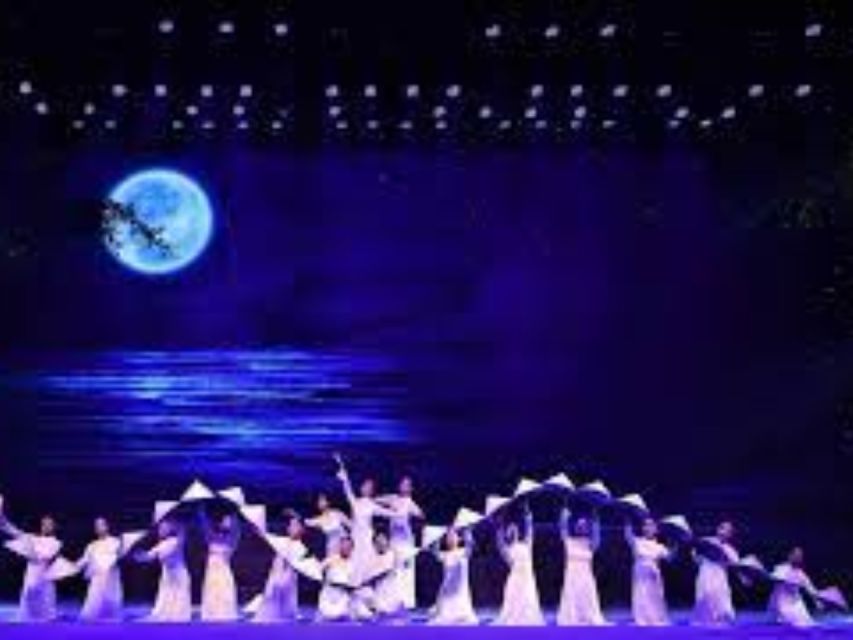
- Four-part program: Mysterious Champa, Ao Dai Show, Lotus Dance, and a Spring Dance Festival theme
- Costumes and color changes: expect a strong visual focus throughout
- Live traditional music: music drives each act, not recorded background tracks
- Audience energy: you’ll likely be invited to sing and dance along
- Time discipline matters: arrive early or you may lose your seat
- Bring a passport: it’s required to participate
Da Nang Charming Show in plain terms: what you’re paying for
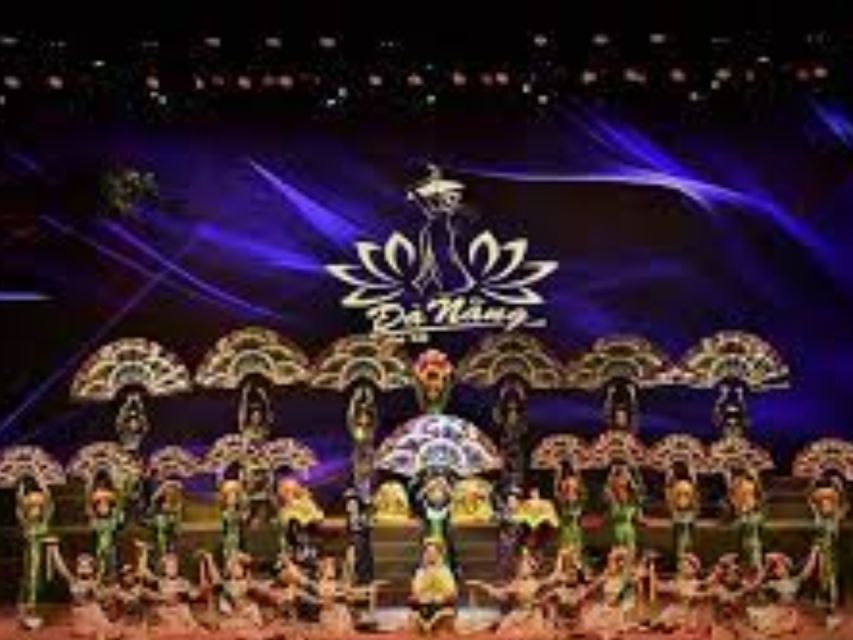
For about $21 per person and a 1-hour show, this is a focused cultural performance rather than a half-day excursion. The value here isn’t comfort or sightseeing time. It’s the intensity of seeing traditional Vietnamese performance styles packaged into one night.
This is also the kind of activity that works well when your Danang or Hoi An plans are tight. One hour means you can still do a dinner plan afterward, or squeeze in a beach walk without wrecking your schedule.
The show’s structure matters: it’s built in four parts, each with a clear theme and costume changes. That keeps things moving and helps you follow even if your Vietnamese is limited. The show includes English support through the instructor/MC (languages listed as Vietnamese and English).
You can also read our reviews of more tours and experiences in Da Nang


The four acts: how the show moves from scene to scene
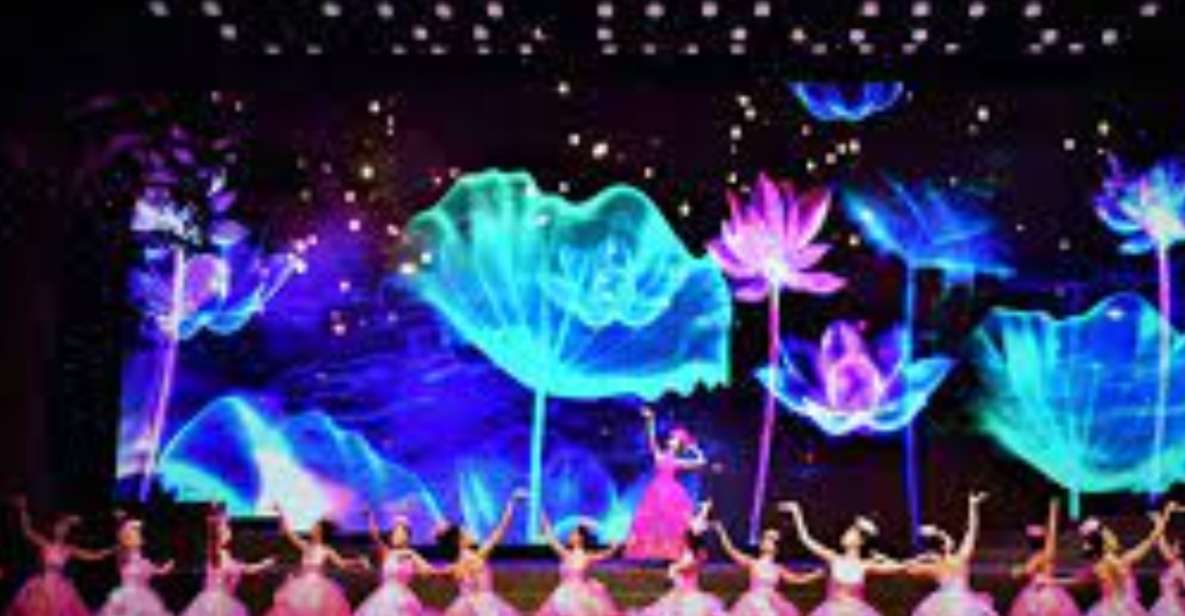
The Charming Danang Show is designed like a mini tour of Vietnamese stage traditions. You’ll see different dance styles, costume themes, and musical moods as the program shifts through its four sections.
1) Mysterious Champa: opening with drama and style
The program starts with Mysterious Champa. Even without extra explanation, the title tells you the tone: this is about the Champa-inspired theme, presented through performance art, movement, and traditional music.
What I like about an opening like this is that it grabs your attention fast. The performers don’t ease in with something slow. They set a mood, then you feel the pace pick up as costumes and staging come into view.
2) Ao Dai Show: classic Vietnamese elegance on stage
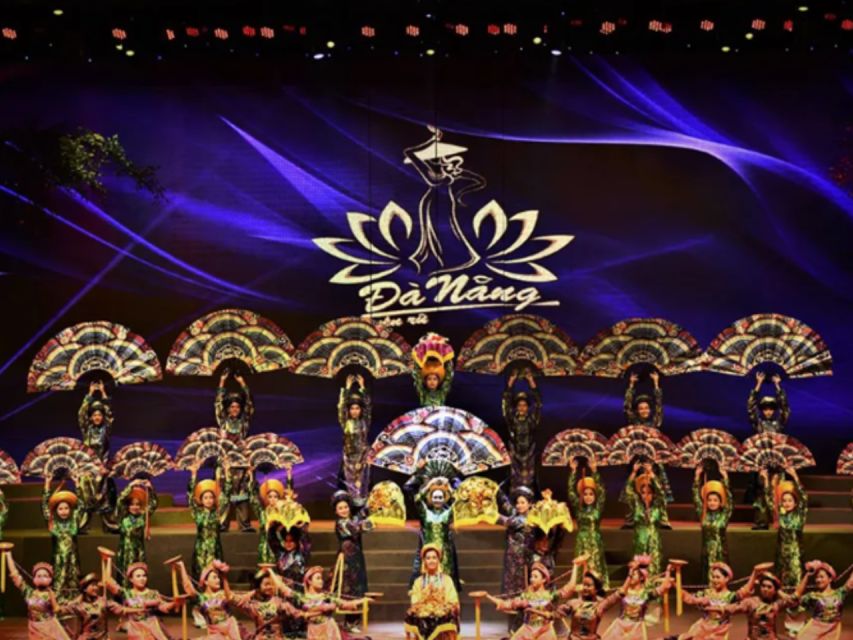
Next comes the Ao Dai Show. This is where the visual impact usually peaks for a lot of people. Ao dai is instantly recognizable, and stage lighting plus coordinated movement turns it into more than just clothing. It becomes a language of gesture and symmetry.
I also like that this part is different from the Champa theme. It gives you contrast in style and meaning, so the show doesn’t feel like one long dance sequence.
3) Lotus Dance: grace that reads even without words
Then you get the Lotus Dance segment. The lotus theme is a classic in Vietnamese and wider Southeast Asian symbolism, and on stage it typically shows up as flowing arms, careful timing, and choreography that looks delicate but takes serious discipline.
If you like dance that’s readable from a distance, this is usually the act that lets you relax a little and just watch the choreography “click” in your head.






4) Spring Dance Festival: ending with upbeat celebration
The final section ties into a Spring Dance Festival feel. This is where the program leans toward celebration. Expect more energy, brighter mood, and a performance that’s built to keep you watching to the final minute.
This ending is practical too: you’re more likely to feel satisfied after a show that finishes with momentum rather than fading out. It helps the night end on a high note.
Meet the performers: why “national artists” changes the vibe
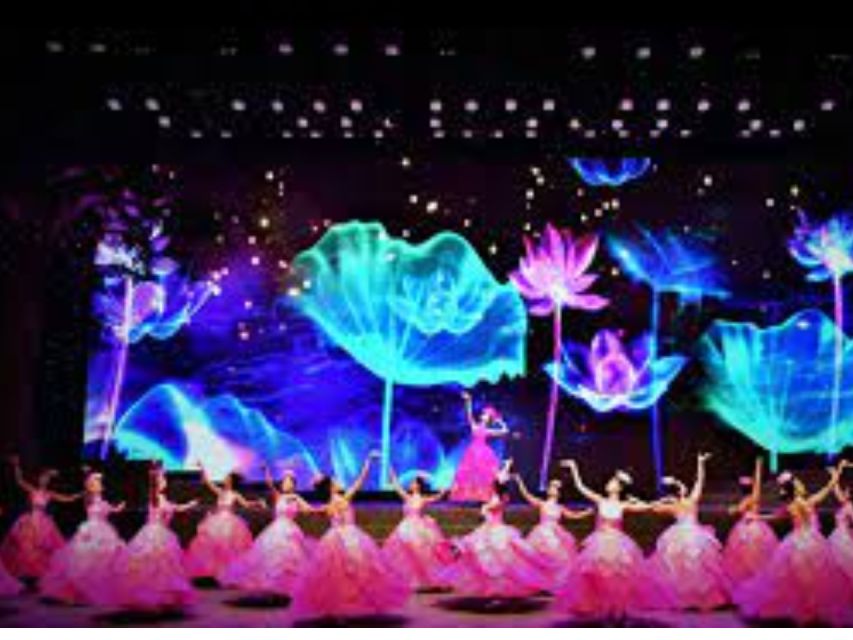
The included description specifically points to national Vietnamese artists. That matters, because you can usually tell when a production is built by trained performers who’ve done this professionally.
What you can expect in practice is stronger timing and cleaner choreography. Even in a one-hour show, you can feel whether the acts are rehearsed to land their beats, transitions, and costume changes smoothly.
Also, this is one of those experiences where you get a cultural hit without needing to understand everything. The performers do a lot of the communicating through music and movement.
The best part for many people: sing-and-dance moments
The show is built around music, color, and participation. The format says you’ll sing and dance along with musical renditions of local traditional music.
That’s not just “fun.” It’s a real cultural bridge. Instead of watching everything like a museum exhibit, you get to join the rhythm. If you’re shy, you can still participate quietly, but you’ll likely catch enough cues to feel included.
Bring that mindset: don’t treat it like a silent theater. It’s more like a live cultural event.
What you’ll actually notice once you’re seated
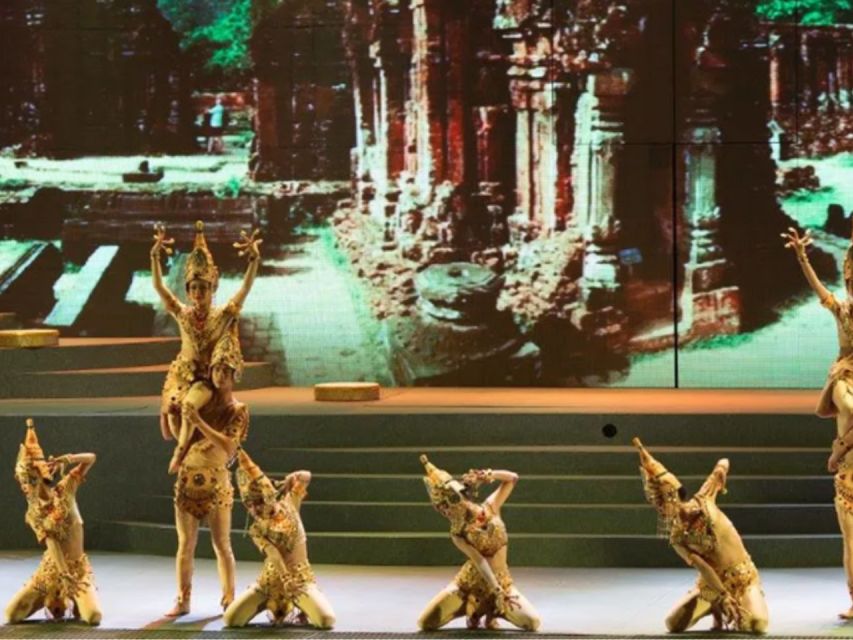
This show’s pitch is sensory overload in the best way. Based on the program description, the big things to watch for are:
- Costume color mosaics across acts (especially when moving from one theme to another)
- Traditional music driving the pacing, with shifts that match each section
- Big-scale stage performance style, not small isolated dance numbers
The key is to keep your expectations aligned. This isn’t a documentary. It’s performance art. You’ll get emotion and energy first, then “meaning” through themes like Champa, Ao Dai, lotus, and spring festival.
Practical value check: is $21 worth it?
For a 1-hour, full cultural stage show, I think the price is competitive if you want something memorable without paying for a long tour day. You’re also getting a discount angle in the listing description, which suggests the ticket is often priced attractively.
Where the value gets real is in your time. One hour is long enough to feel like you saw something substantial, but short enough that you won’t waste an entire evening.
Still, be strict with timing. If you arrive late and you lose your seat, the value drops instantly. This is one of those “pay once, don’t mess up the clock” experiences.
Logistics that can make or break your night
There’s no hotel pickup listed, so you’ll need to get yourself to the meeting point on time. The show itself has a strict arrival rule: arrive 30 minutes before the activity.
Also, the important info is blunt: you won’t be allowed to watch if you arrive late. So build in buffer time for traffic, lines, and finding the correct entrance.
One more item: bring your passport. And no food and drinks are allowed inside.
I’d also mentally plan for a “clean theater” vibe: no littering, no alcohol/drugs, no explosive substances, and no nudity (standard rules for most venues, but worth knowing).
Who this show suits best (and who should skip it)
This works best if you:
- Want a quick cultural night in Danang/Hoi An
- Like Vietnamese traditional music, dance, and costuming
- Are comfortable in a group setting where you might sing or dance along
- Prefer a short, ticketed experience over a longer tour
It might not be ideal if you:
- Need a flexible schedule with no strict arrival rules
- Hate any chance of audience participation
- Are traveling with very young children (the show is listed as not suitable for children under 3)
FAQs about the Da Nang Charming Show
FAQ
How long is the Da Nang Charming Show?
The show duration is listed as 1 hour.
What is the price per person?
The price is listed as $21 per person.
Do I need to bring anything with me?
Yes. You must bring your passport.
What time should I arrive?
You must arrive at least 30 minutes before the activity starts. Arriving late can mean you won’t be allowed to watch.
What languages are used during the show?
Languages listed are Vietnamese and English.
What’s included in the ticket?
The included items are watching the Charming Danang Show, seeing large-scale art performances with traditional Vietnamese music, and seeing the national Vietnamese artists. (Personal expenses and hotel pickup/drop-off are not included.)
What items are not allowed?
Food and drinks are not allowed, and the rules also list no alcohol and drugs, no littering, no explosive substances, and no nudity.
Should you book this show?
If you want one strong hour of Vietnamese performance arts in Danang, I’d book it. The four-act format (Champa, Ao Dai, lotus, and spring festival) gives you variety without dragging your night out. At $21 for a structured, live cultural show, it’s a practical value when you’re balancing sightseeing, meals, and travel fatigue.
Just do two things: arrive early enough to avoid being turned away, and double-check that your ticket matches the 1-hour show timing. If you’re set on a strict schedule or you hate late-arrival rules, look for another option. Otherwise, this is exactly the kind of cultural evening that makes Danang feel real.