REVIEW · DA NANG
Endangered Monkeys Watching – Red Shanked Douc Langurs
Book on Viator →Operated by Da Nang Scooter Adventures · Bookable on Viator
Son Tra hides red-shanked douc langurs. I love that this tour mixes endangered-primate spotting with real guide guidance, using binoculars so you can actually follow what the monkeys are doing. You also get off-the-beaten-road forest time with local hosts, which is exactly the kind of Da Nang nature break that feels like it belongs here.
I love the odds of repeat sightings, not just one quick glimpse, with guides like Cillian and Bin actively working the route and trail. I also like the learning payoff: you get coaching on how to tell males vs females and estimate age, plus you may help with simple real-time research during observations.
One consideration: you’ll be on a motorbike going along mountain roads, so it’s not recommended for kids under 4 and it’s not recommended for guests over 100kg.
In This Review
- Key Things You’ll Notice on This Douc Langur Tour
- Red-Shanked Douc Langurs: Why This Tour Draws Wildlife Fans
- Meeting at Esco Beach and Getting Set for a Son Tra Day
- Mountain Roads by Motorbike: Fast Scenery, Real Timing, Safe Handling
- First Stops That Help You Read the Terrain
- The Core Moment: Binocular Scanning and Behavioral Clues
- Real-Time Research Helps You Pay Attention Differently
- Forest Neighbors: Birds, Butterflies, Plants, and Sometimes Mongoose
- Fruit Snacks, Photos, and the Little Comfort Details
- Monkey Mountain and a Secret Beach Stop: Scenic Payoff Without Detours
- Price Breakdown: $57.38 Feels Reasonable for What You Get
- What to Pack (and What to Avoid) for a Smooth Langur Hunt
- Who This Tour Is Best For (and Who Should Skip It)
- Should You Book the Endangered Monkeys Watching Tour?
- FAQ
- Where does the tour start?
- How long is the experience?
- Is hotel pickup included?
- What’s included in the price?
- Do I need to bring my own camera or binoculars?
- How big is the group?
- Who is the tour not recommended for?
- Is there an extra charge on certain dates?
- What happens if the weather is bad, or if I cancel?
Key Things You’ll Notice on This Douc Langur Tour
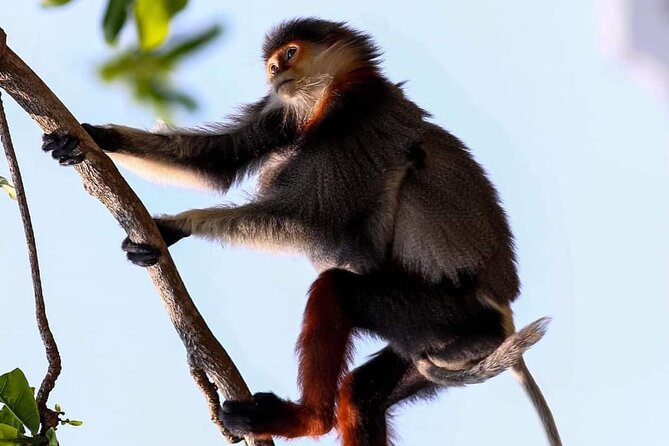
- Red-shanked douc langurs in their home habitat on the Son Tra peninsula, not in a zoo setting
- Binoculars provided, with room for your own zoom camera and extra viewing gear
- Small group size (max 6), which helps you stay together on narrow trails and viewpoints
- Guides who point out behavior fast, including tips on sex and age recognition
- More than monkeys: birds, colorful butterflies, plants, and sometimes mongoose
- Scenery built into the route, including Monkey Mountain and a secret beach stop
Red-Shanked Douc Langurs: Why This Tour Draws Wildlife Fans
If you’re into animal watching, this one hits a sweet spot. Red-shanked douc langurs are rare enough that they get attention from National Geographic and wildlife shows, but what matters even more is where you’re looking: Son Tra, close to Da Nang, where these primates live their daily rhythm.
What I like about the approach is that you’re not just hoping for a lucky sighting. The day is built around scanning, learning, and then spending time watching in the same area when you find a group. And because your guide is local, your viewing window feels far more organized than a random walk.
Also, the tour leans into understanding. You’ll learn how to recognize males versus females and how to judge age stages, so you can watch with meaning instead of just chasing movement. It turns monkey-spotting into a mini field lesson you can carry home.
You can also read our reviews of more tours and experiences in Da Nang.

Meeting at Esco Beach and Getting Set for a Son Tra Day
The experience starts at Esco Beach, Bar Lounge & Restaurant on Võ Nguyên Giáp in Sơn Trà, Da Nang. It’s an easy, practical place to find, and the tour ends right back at the same meeting point.
Pickup is offered, which matters here. Once you’re heading out to Son Tra, you don’t want to fight traffic or coordinate taxis. You just want to get your head in the right place: binoculars ready, camera charged, and eyes up for movement in the canopy.
The group is limited to up to 6 people, so the vibe is more hands-on. Fewer people means less noise, fewer distractions, and usually better opportunities to hold still and watch when the monkeys decide to show themselves.
Mountain Roads by Motorbike: Fast Scenery, Real Timing, Safe Handling
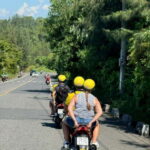
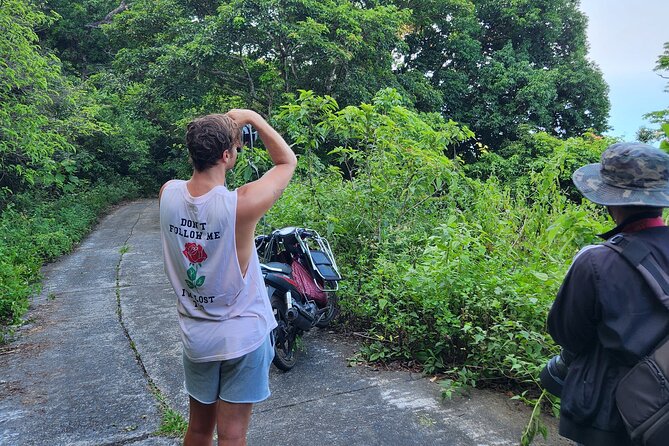
This tour uses a motorbike ride as the main way to reach the best viewing stretches on the Son Tra peninsula. That matters because the terrain is the point. You’re going along winding mountain roads and scenic viewpoints, which cuts down the time it takes to get from Da Nang to the forest edges where langurs are more likely to be seen.
In the real world, animal watching is timing plus luck. Motorbike transport helps you stay flexible and reach multiple potential spotting zones in a few hours. It’s also why the day often feels like more than a single stop; it’s a route with several chances to find groups.
The other practical detail: safety and comfort on the ride. Many guides on this experience are careful drivers, and they’re used to different comfort levels. If you’re nervous about riding, bring that up early. The day is structured so you can still enjoy the spotting even if the ride feels like the hardest part.
First Stops That Help You Read the Terrain
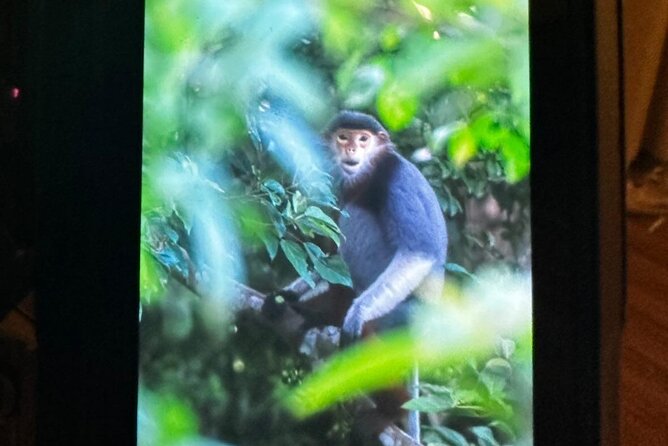
After pickup or meeting, you head out toward Monkey Mountain and the surrounding Son Tra areas. Along the way, you’ll likely make short viewpoint-style stops. This isn’t wasted time. It’s how you get your bearings, learn what to look for, and adjust your expectations to how langurs actually move.
Langurs can be hard to spot at first. They’re active, but they also blend into the canopy and travel in ways that look like sudden bursts of motion rather than obvious walking paths. So the early stops act like a warm-up: you learn how your guide scans, where they expect movement, and how to use binocular focus quickly.
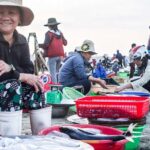
Depending on timing, you might also pause near the coast. Some departures include a fisherman-style beach stop, and that kind of shoreline break helps you reset before you go deeper into the forest watching zones.
The Core Moment: Binocular Scanning and Behavioral Clues
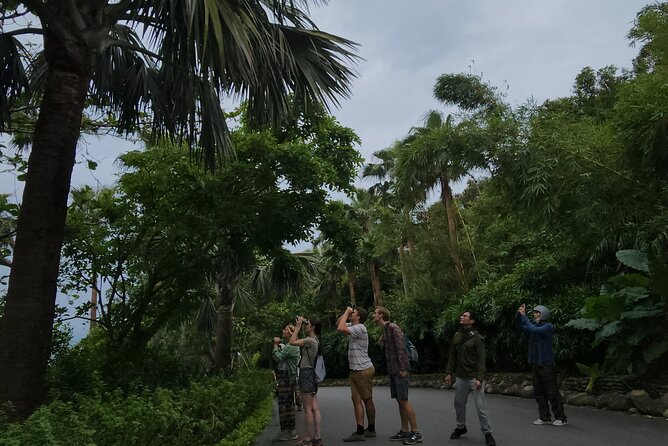
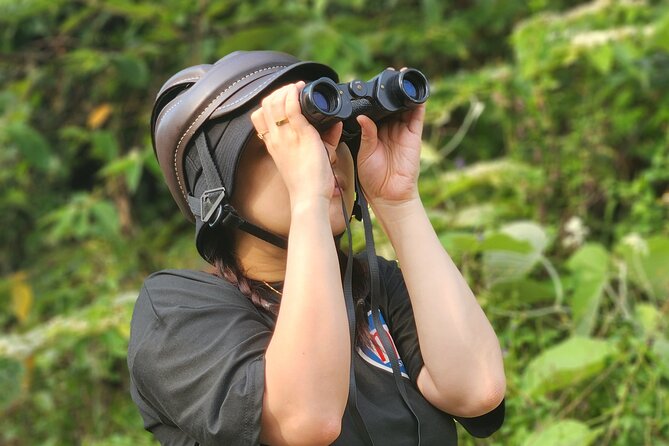
This is the heart of the tour. You’ll use the binoculars provided (and you’re welcome to bring your own zoom camera gear) to spot red-shanked douc langurs in the trees and along their travel routes.
What makes this better than a simple spotting walk is the coaching. Your guide helps you interpret what you’re seeing:
- How to estimate age when you can see smaller figures or young individuals
- How to identify sex differences based on visible cues your guide explains
- How behaviors change when a group is moving, feeding, or reacting to the environment
You’ll also get a sense of how groups function. Sometimes you’ll see adult animals with a calmer rhythm. Other times, you might spot energetic interactions that look like play at first and then turn into something more serious. In breeding season, especially March to July, the chances of seeing offspring rise, and that can make the day feel extra special.
One more thing I appreciate: you’re not rushing through the sighting. When the monkeys appear, the guide aims for real observing time. You can watch them move tree to tree, pause, and regroup, which is when behavior actually becomes readable.

Real-Time Research Helps You Pay Attention Differently
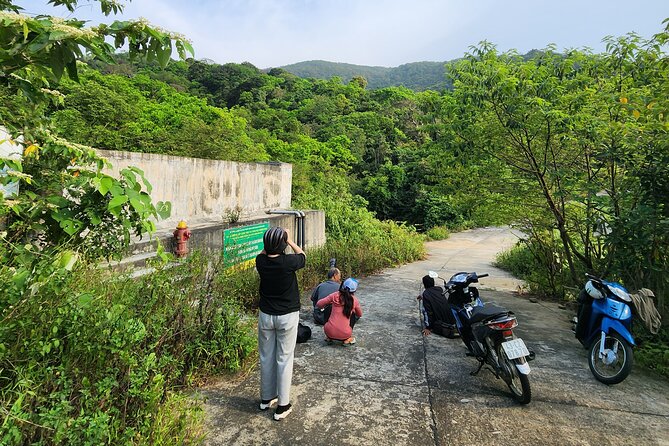
This tour includes a chance to participate in real-time research. You’re helping collect observation data about the monkey groups you encounter.
You don’t need to be a scientist to make this meaningful. The value is in how it changes your attention. Instead of just snapping photos, you start noticing details: group size, timing, and patterns in movement. It also helps explain why this tour is careful about where you stand and how long you stay.
If animal conservation matters to you, this is a practical way to connect your curiosity with something that can support local monitoring efforts. You’re also much more likely to remember the day because you’re actively involved in the observation process.
Forest Neighbors: Birds, Butterflies, Plants, and Sometimes Mongoose
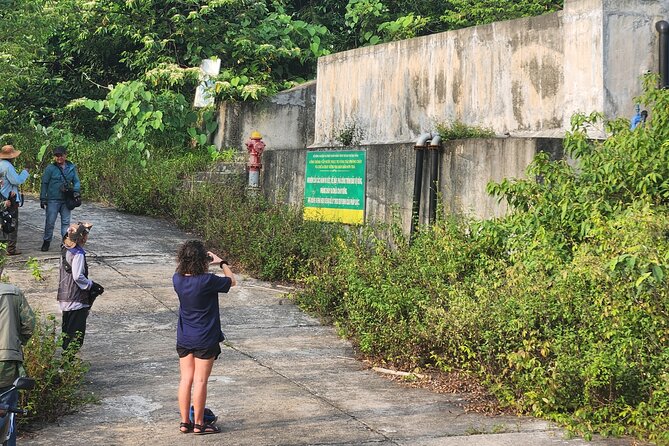
Even when the monkeys take time, the Son Tra forest doesn’t go quiet. Your guide will point out other wildlife in the area, including birds and colorful butterflies. You may also notice plants that form part of the monkeys’ food environment, which helps you understand why certain spots keep drawing them back.
Sometimes you might even catch a sight of mongoose. It’s not the main target, but that kind of extra wildlife moment adds variety to a day that could otherwise turn into pure waiting.
A small but fun bonus: along the trail, you may have chances to chat with local animal photographers. You can ask questions and see the kinds of photos they’re working toward. For a wildlife-focused tour, that kind of local perspective is a nice upgrade.
Fruit Snacks, Photos, and the Little Comfort Details
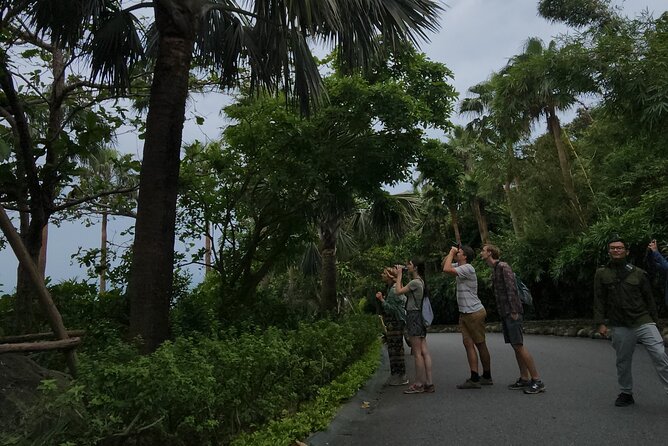
You should expect practical comfort touches during the ride and observation periods. Bottled water is included, and guides often bring or provide rain-ready solutions. One reason this stands out is that the day isn’t fragile; if weather shifts, the guides know how to keep the plan moving.
Food also shows up. The tour can include fruit snacks, which is simple but smart during a few hours of motorbike travel and active scanning. It’s an easy energy boost between stops.
Photography is handled as part of the experience. Some guides take extra time to help with close-up viewing, and you may even receive the best photos taken during the day. Even if you don’t, the tour’s whole setup encourages better framing by helping you find the moment when the group is most visible.
Monkey Mountain and a Secret Beach Stop: Scenic Payoff Without Detours
The route is designed for both wildlife and scenery. Monkey Mountain features in the plan, and it’s where the day often feels most dramatic. The views give your eyes a break from staring straight up into the canopy, and you can take in the broader shape of Son Tra and the coastline.
You may also reach a secret beach stop. This is the kind of add-on that feels like it belongs to the peninsula rather than a generic photo stop. If your departure runs toward late afternoon or early evening, you might catch sunset light over the Da Nang bay area from coastal vantage points.
This is also why the route makes sense as a 2.5 to 3-hour experience. You’re not spending the whole day commuting. You’re using travel time to reach different viewing contexts, then getting a scenery reward when you’re done with the densest wildlife watching.
Price Breakdown: $57.38 Feels Reasonable for What You Get
At $57.38 per person, this tour can feel like strong value, mostly because the day is doing several jobs at once:
- You get a local guide who knows where to look and how to interpret behavior
- You get transportation into Son Tra by motorbike
- Binoculars are provided
- Bottled water is included
- The group is small, which usually improves the quality of viewing time
If you try to recreate this on your own, you’ll still need transport, time, and the skill to spot and interpret langur behavior. That’s the part that costs real money in a DIY plan. Here, you’re paying for guidance plus access to better viewing windows.
One extra note: on National Holidays like 1 Jan and 16–20 Feb 2026, there’s an additional $10 USD charge. If you’re traveling around those dates, check total cost before you commit.
What to Pack (and What to Avoid) for a Smooth Langur Hunt
Keep packing light. The tour notes you should travel light because there’s no luggage space.
Here’s what you should plan for:
- Sunscreen, hat, and light layers. Son Tra can feel warm fast, even when the forest shade helps.
- Comfortable footwear for short trail stretches. You don’t need hiking boots, but you do need stable grip.
- A small rain layer. Some days get wet, and guides show up ready for changing weather.
- Your camera. Binoculars are included, but if you love zoom shots, bring your own setup.
One more practical tip: listen to your guide about where to stand and how to watch. Langurs are more likely to show themselves when people act calmly and keep space.
Who This Tour Is Best For (and Who Should Skip It)
This works well for:
- Nature lovers who want a real wildlife goal, not just scenery
- People who like learning, especially animal behavior and basic field-reading
- Families who can handle a short, active outing (but see age limits below)
- Photo-minded travelers who want help finding the right moment
It may not be a fit if:
- You’re traveling with young kids under 4 (not recommended)
- You’re over 100kg (not recommended)
- You strongly dislike motorbike rides. The roads are part of the plan, not a minor detail.
If you’re not sure, think about your comfort level on two-wheel transport. Once you’re in the rhythm of watching and listening, the ride becomes part of the adventure rather than the main event.
Should You Book the Endangered Monkeys Watching Tour?
Book it if you want a short, guided Son Tra experience built around red-shanked douc langurs, with binoculars, a small group, and real coaching on what you’re seeing. It’s also a good choice if you care about conservation-style observation, not just a checklist photo.
Skip it if you’re not comfortable with motorbike travel or you’re outside the stated age and weight guidance. And on any trip, remember this is wildlife watching. You’re going for high-quality odds and great guidance, not guaranteed sightings every minute.
If that sounds like your kind of day, this is one of the most rewarding Da Nang animal experiences for your time.
FAQ
Where does the tour start?
The meeting point is Esco Beach, Bar Lounge & Restaurant, Lô 12 Võ Nguyên Giáp, An Hải, Sơn Trà, Đà Nẵng 550000, Vietnam. The activity ends back at the meeting point.
How long is the experience?
The duration is about 2 hours 30 minutes (approximately), with the adventure described as an easy 3-hour outing.
Is hotel pickup included?
Pickup is offered.
What’s included in the price?
The tour includes bottled water and binoculars. You are welcome to bring your own equipment.
Do I need to bring my own camera or binoculars?
No. Binoculars are provided. If you want, bring a zoom camera setup for closer viewing.
How big is the group?
The tour has a maximum of 6 travelers.
Who is the tour not recommended for?
It’s not recommended for guests under 4. It’s also not recommended for guests who weigh over 100kg.
Is there an extra charge on certain dates?
Yes. There is an additional $10 USD on National Holidays including 1 Jan and 16–20 Feb 2026.
What happens if the weather is bad, or if I cancel?
The experience requires good weather. If it’s canceled due to poor weather, you’ll be offered a different date or a full refund. For cancellations, it’s free to cancel up to 24 hours in advance for a full refund. Less than 24 hours before the start time is not refundable.