REVIEW · DA NANG
From Da Nang or Hoi An: Bach Ma National Park Trek & Lunch
Book on GetYourGuide →Operated by CONNECTTRAVEL · Bookable on GetYourGuide
Five Lakes and a 1,448m summit in one day. That’s why this Bach Ma trek works: you get a proper Ngu Ho Five Lakes swim in the morning and then finish with huge Hai Vong Dai panoramas from the top. The trade-off is physical: parts of the route are rocky, wet, and steep, so you’ll want good shoes and comfort with uneven ground.
I like that the day is built around real nature time, not just bus windows. You’ll travel with an English-speaking guide (names you may recognize from past groups include Linh, Thuan, Lanh, Tram, and Thuy) and a small group capped at 10, which makes it easier to move at a trekking pace and get help on the trickier bits.
In This Review
- Key Points at a Glance
- From Da Nang or Hoi An: The Day Starts With a Big Drive
- Check-In at Bach Ma Gates and the Ngu Ho Forest Walk
- Five Lakes Swimming: Why Ngu Ho Is the Morning’s Best Payoff
- Picnic Lunch in the Middle of Nature Time
- Do Quyen Waterfall: The 300m Drop and the Steep Work to Reach It
- Vong Hai Dai (Panorama View) Before the Final Summit Push
- Hai Vong Dai / Bach Ma Peak at 1,448m: Views You Can Actually Use
- The Trek’s Real Difficulty: Steep, Slippery, and Worth Preparing For
- Guides, Group Size, and What You Learn Along the Way
- Price and Value: What $71 Buys You (and What It Doesn’t)
- Who Should Book This and Who Should Skip It
- Should You Book the Bach Ma National Park Trek & Lunch?
- FAQ
- How long is the Bach Ma National Park trek and lunch?
- Where does pickup happen for this tour?
- What time does the tour start?
- What happens at the park entrance?
- Do you swim during the tour?
- Is lunch included?
- Are tea and coffee included?
- Does the tour run in bad weather?
- How big is the group?
- Is this tour suitable for children or wheelchair users?
Key Points at a Glance
- Ngu Ho (Five Lakes) is the swimming payoff, reached by a forest walk that keeps things scenic.
- Do Quyen Waterfall is the main vertical moment, with steep sections and slick crossings where you’ll appreciate ropes and support.
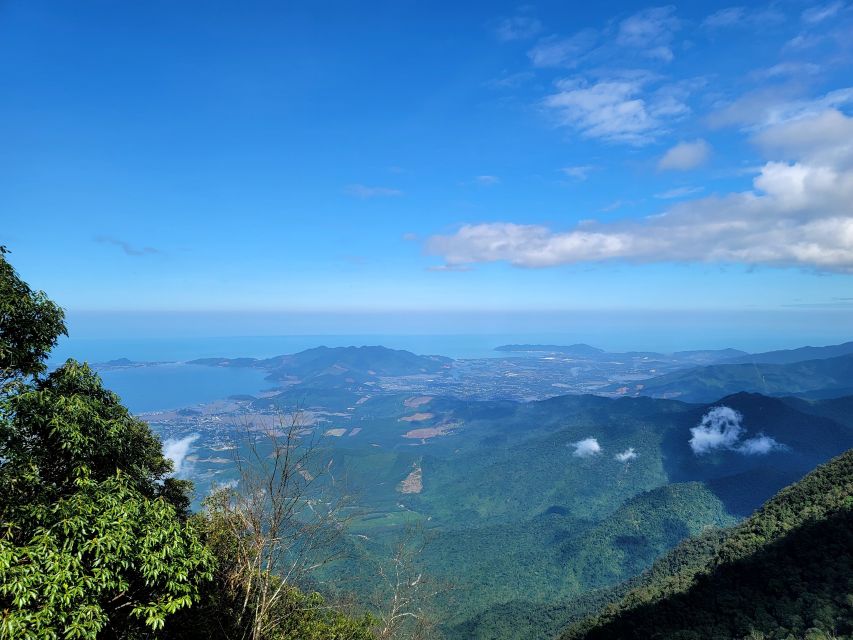
- Hai Vong Dai / Bach Ma Peak hits at 1,448m, with far-reaching views toward Hue, Da Nang, lagoons, and beaches on clear days.
- Picnic lunch + tea and coffee are part of the rhythm, not an afterthought.
- Rain or shine is the deal, so pack for damp trails and plan for foggy viewpoints on low-visibility days.
- Not for everyone: it’s not suitable if you’re afraid of heights, have high blood pressure, or need wheelchair access.
From Da Nang or Hoi An: The Day Starts With a Big Drive
This is a long day by design. If you’re in Hoi An, expect pickup around 6:30–7:00am; from Da Nang, it’s usually 7:30–8:00am. Then you’re on the road to the Bach Ma area, with check-in happening at 9:30am.
Here’s what that means for you: you don’t just “hike a little.” You commit. The upside is that once you’re in the park, you’ll have time to do the full arc—lakes, waterfall, and finally the peak—without rushing every stop.
The practical downside is simple: you’ll spend much of the morning and early afternoon in transit before you get that big trekking payoff. If you hate long car rides, you might feel it by mid-day. If you’re okay with a full day out, the structure actually helps—because you arrive before the worst heat and you’re back around 5:00–5:30pm.
You can also read our reviews of more tours and experiences in Da Nang



Check-In at Bach Ma Gates and the Ngu Ho Forest Walk
At 9:30am, you check in at Bach Ma National Park. Then the pace shifts from road time to forest time.
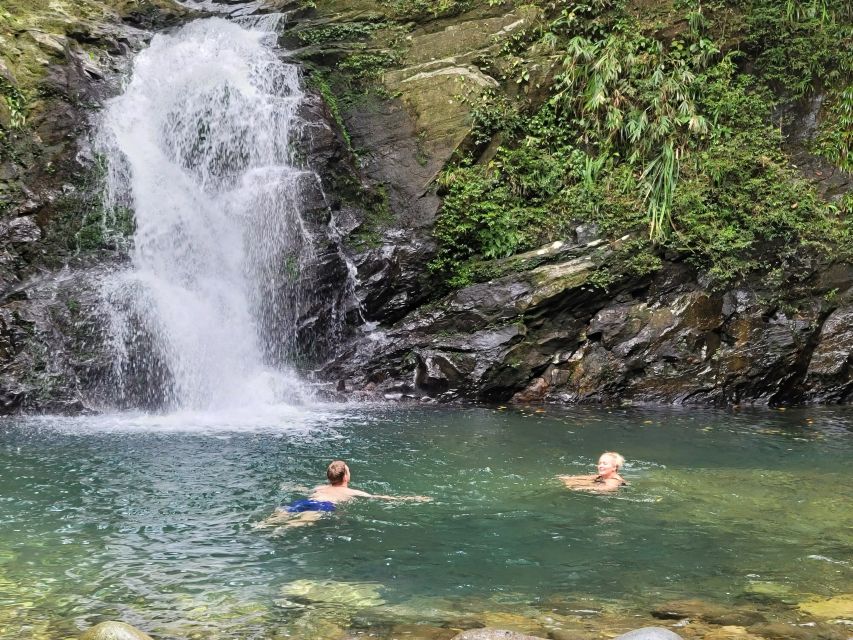
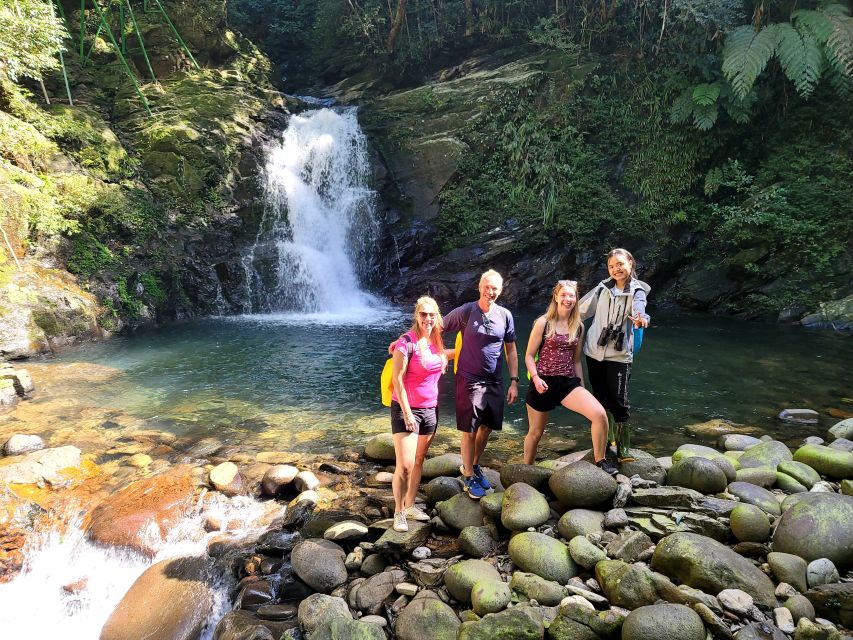
The early highlight is Ngu Ho Lake and the Five Lakes route. The walk is described as about 2 kilometers of trekking and walking through the forest, with lake stops at different levels. This is the part of the day where the hike feels most like an escape: shady trails, birdsong energy, and that “wait, we’re actually going swimming here” feeling.
You’ll likely encounter a mix of trail surfaces. This park isn’t flat. On steeper or slick moments, hikers have reported ropes for support and walking sticks being provided, which is a big deal when you’re trying to keep your balance on uneven rock.
Swim strategy tip: treat the water like a cold-bucket challenge. It’s often described as inviting once you get in, but it can be chilly—so don’t plan on hanging around too long. Use the swim as a reset, then keep moving to stay warm.
Five Lakes Swimming: Why Ngu Ho Is the Morning’s Best Payoff
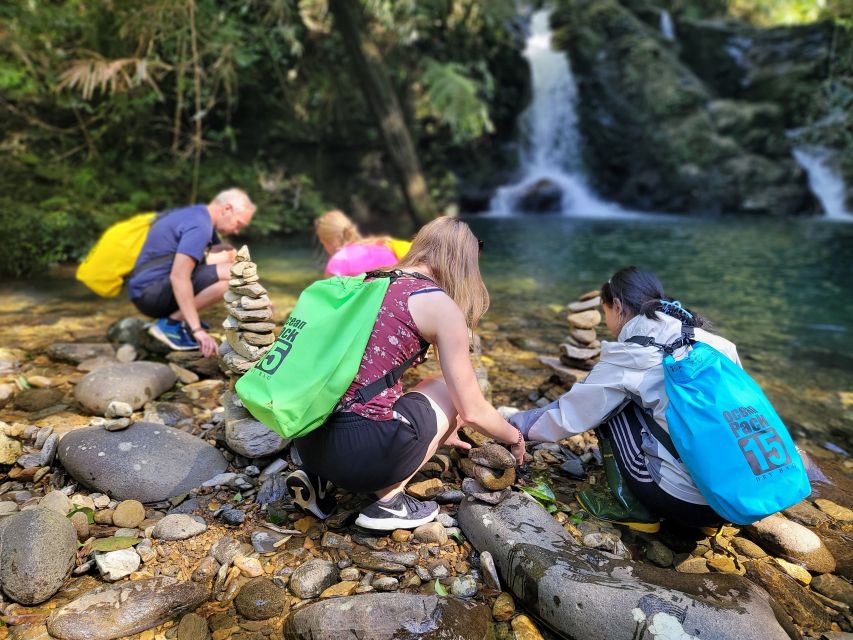
The reason Ngu Ho stands out is that it’s not just scenic—it’s interactive. Bach Ma gets marketed for waterfalls and viewpoints, but the “wow” moment for many people is the chance to swim at the Five Lakes area.
This matters because swimming breaks up a long trek mentally. One minute you’re concentrating on footing; the next you’re enjoying a calm lake moment in the forest. It makes the day feel less like an endurance test and more like a nature excursion with variety.
A few things to keep in mind:
- The route to the lakes includes walking in the forest, so you’ll still be earning the swim.
- You’ll likely get wet somewhere anyway, so it’s smart to bring shoes you can get wet and socks you’re okay replacing.
- Because it’s outdoors and you’re moving between water and trail, small discomforts add up if you’re underprepared.
If you want a clean photo moment, keep your plan simple: one or two quick stops for pictures, then get back to the rhythm. On a full-day schedule, you don’t want to lose time at the wrong bend in the trail.
Picnic Lunch in the Middle of Nature Time
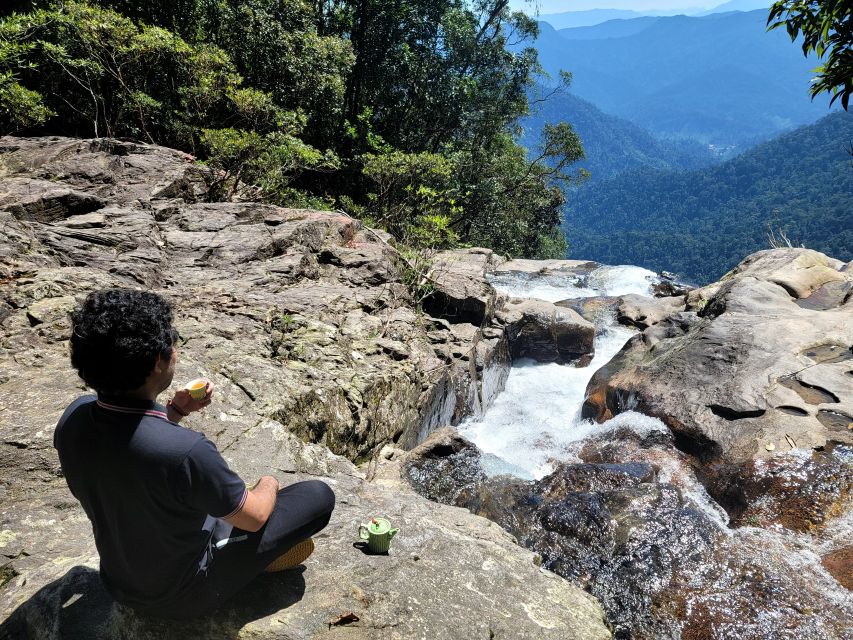
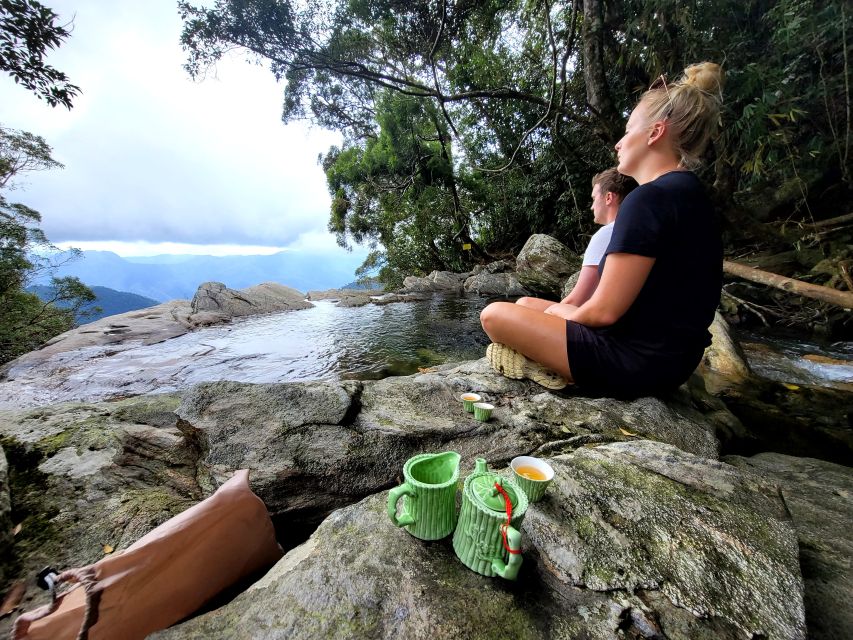
Lunch is built into the trek flow. You’ll have a picnic lunch around the waterfall section, with tea and coffee also mentioned as part of the day’s comforts. The format can be as simple as a lunchbox or picnic-style meal, but the key point is timing: you eat while you’re already surrounded by the sights you came for.
Why I think this is a smart design: it prevents the usual “tour stomach slump” where lunch feels like an interruption. Here, lunch functions like a pause button. You recharge, you dry a little if you can, and then you tackle the next stretch.
What to expect in practice:
- You’ll be outside, so don’t treat lunch like a restaurant meal with perfect conditions.
- If you have dietary needs, it’s worth asking in advance. Accommodation for vegan/vegetarian meals was specifically mentioned by a guide’s group, including a lunch box style of service.
Do Quyen Waterfall: The 300m Drop and the Steep Work to Reach It
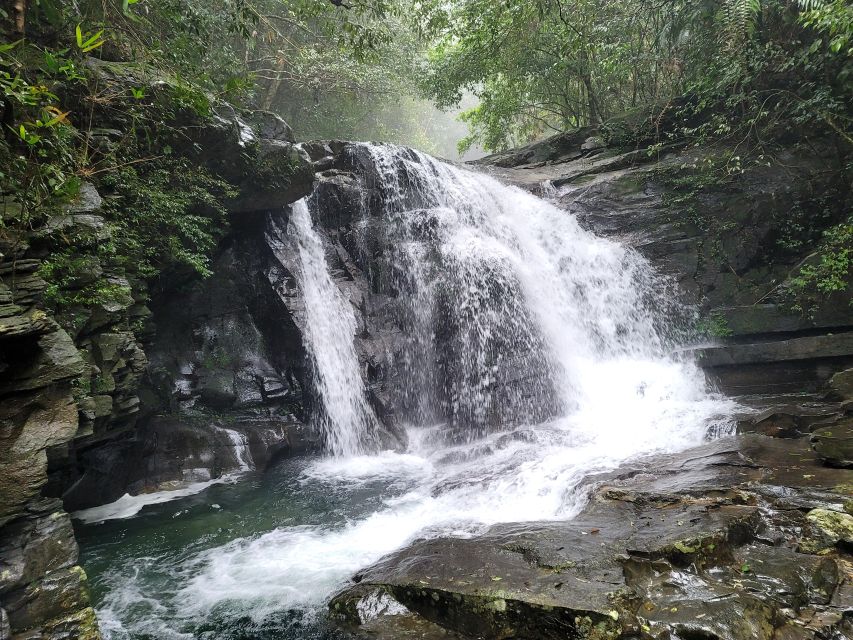
After the lakes, you move on to Do Quyen Waterfall. The waterfall is described as flowing down a steep cliff of about 300 meters—and that scale makes the approach feel different. This isn’t just a roadside waterfall photo. The trail up and around it is part of the show.
Expect a mix of:
- Steep slopes
- Brook crossings
- Rocky sections where you’ll want steady footing
- Trail support in tricky areas (ropes have been mentioned)
One review notes a chain of waterfall-side parts where ropes and walking sticks helped people manage slippery terrain. Even if you’re comfortable hiking, that’s good information. It’s a reminder that Bach Ma is not “easy nature stroll” territory.
If you’re watching for a calmer photo or viewing moment: you may not be able to see every angle from every spot. In some conditions, access to certain approaches can be restricted due to hazards. The core experience still centers on seeing the waterfall well, but don’t build your plan around the idea of reaching the exact spot you imagined.
Clothing tip that’s actually useful: bring something that can handle damp. More than one hiker described wet shoes as unavoidable here, and in wet periods, insects like leeches are mentioned—so long pants can save your day.
You can also read our reviews of more hiking tours in Da Nang
Vong Hai Dai (Panorama View) Before the Final Summit Push
Once the waterfall energy fades, the schedule points you toward a viewpoint: Vong Hai Dai. This is where the day starts opening up visually—panoramic angles, ridgelines, and broader sightlines over the park.
This step matters because it’s a warm-up for the summit. By the time you’re heading higher, you’re already thinking in “big view mode,” not just “trail survival mode.”
Even if the sky isn’t perfectly clear, higher ground tends to bring a new sense of scale. You’ll get a feel for how Bach Ma connects to the surrounding region—lagoons, passes, and coastline directions—before you reach the top.
Hai Vong Dai / Bach Ma Peak at 1,448m: Views You Can Actually Use
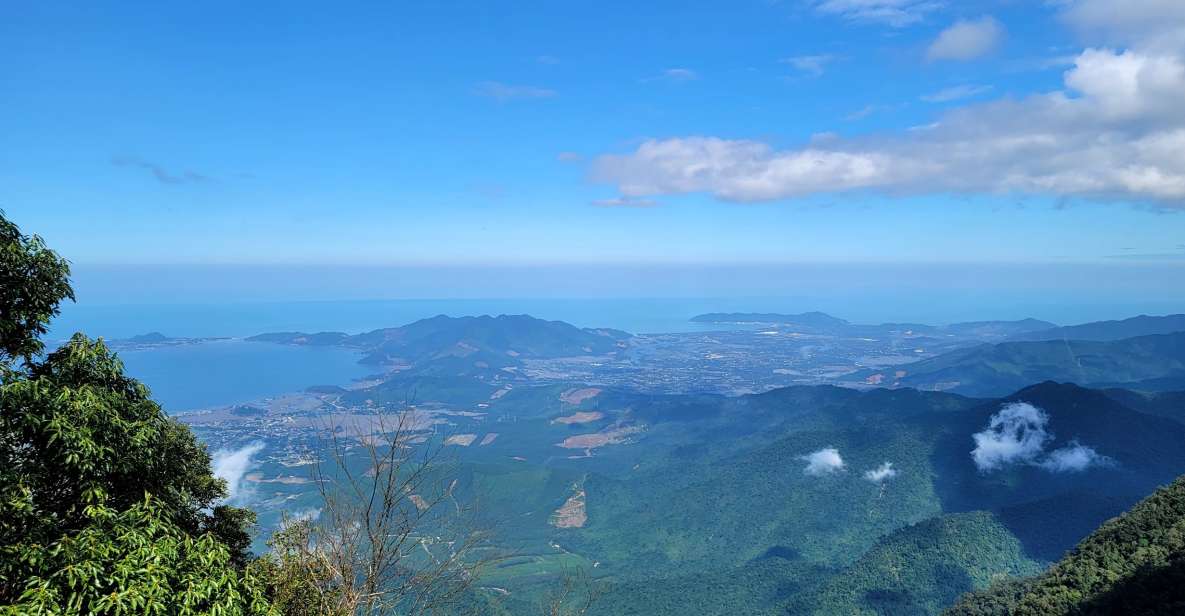
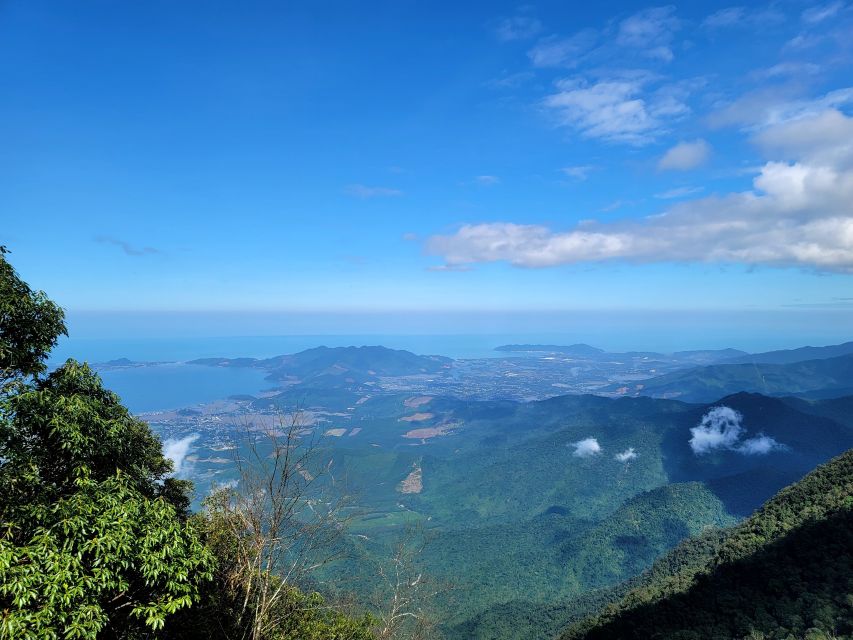
The top experience is Bach Ma Peak, also called Hai Vong Dai, at 1,448 meters above sea level. From here, the viewpoint is described as panoramic over mountains, lagoons, and villages, including areas such as Lang Co beach, Hai Van Pass, Truoi Lake, Cau Hai Lagoon, and Chan May port.
That’s a lot of names, but here’s the real value: at the summit, you’re linking Vietnam’s coastline geography to something you can physically see. You can point and orient yourself. If you like travel that teaches you the map in your head, this is one of those days.
Now the honesty part: visibility isn’t guaranteed. Fog and cloud cover have been reported on some days, and when that happens, the summit view can be more muted than you hoped. You still get the effort reward, just not always the “360 degrees, perfect clarity” version.
If you’re okay with that possibility, the peak is worth prioritizing. If you hate uncertainty, consider that you’re booking for weather that’s outdoors and rain-or-shine.
The Trek’s Real Difficulty: Steep, Slippery, and Worth Preparing For
This tour is described as taking place rain or shine, and that should shape your packing and expectations. Multiple hikers described the trek as more challenging than they expected, with slick rocks and steep sections—especially early on the harder stretches.
Here’s the practical difficulty picture:
- Shoes will get wet. Expect muddy spots, stream crossings, and damp rock.
- Steep and uneven footing is part of the route, not an exception.
- Support exists, such as ropes and walking sticks on trickier sections, but you still need your legs to cooperate.
- If you’re sensitive to heights, this isn’t ideal. The tour is explicitly not suitable for people afraid of heights.
Other “prep matters” notes that show up in real-world experience:
- A few hikers reported that they needed track shoes or sturdy footwear rather than thin trainers.
- Ponchos and waterproof bags were mentioned as being provided in some cases, which is a helpful sign you’ll have at least some protection if it rains.
My bottom line: if you can handle a steep, slippery trail for hours, you’ll be okay. If you want a flat, cushy walk, pick something else.
Guides, Group Size, and What You Learn Along the Way
One reason this trek earns consistently strong satisfaction is the guide role. The tour includes a live English guide, and names you may see attached to this experience include Linh, Thuan, Lanh, Tram, and Thuy. They also tend to explain what you’re seeing—flora, fauna, and how the park fits into Vietnam’s wider story.
A particularly interesting thread from the experience: Bach Ma has military history connections. Some groups received context about things like Agent Orange, underground tunnels, camouflaged storage areas, and even references to older sites such as French officials’ villas and other remnants from the 1920s and 1930s. That’s not random trivia; it gives shape to why the park is full of traces of the past alongside the lush present.
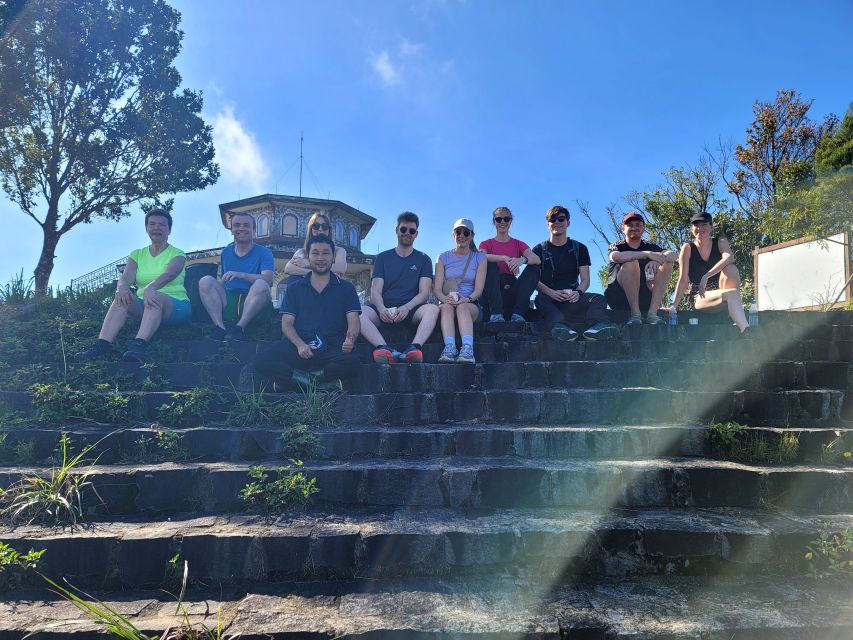
Group size matters too. With a cap of 10 participants, you’re less likely to feel like a human blob around the same photo spot. You can move more naturally, and the guide can help faster if you hit a slippery patch.
Price and Value: What $71 Buys You (and What It Doesn’t)
At $71 per person, this trek isn’t a cheap “just transport me” tour. But it’s also not a bargain if you expected something like a short hike with minimal effort.
What you do get for the money:
- Hotel pickup and drop-off (from Hoi An or Da Nang)
- A tour guide
- Picnic lunch
- Entrance tickets
- Transportation
- Bottle of water
- Travel insurance
That’s a lot of moving parts that would cost you extra if you tried to DIY it. You’d pay for a driver, you’d pay for park access, and you’d still need route knowledge for a safe trek day with limited time.
What you don’t get is also clear: other expenses are on you. That means snacks beyond what’s included, personal purchases, and anything you choose to add.
Who the price is best for: people who want a structured full day, don’t want to wrestle with transport and access planning, and still want real outdoor time rather than a sit-and-stare day.
Who Should Book This and Who Should Skip It
This is a great fit if:
- You’re comfortable with steep, uneven trails
- You want swimming + waterfall + summit views in one day
- You enjoy learning context while you hike
- You prefer a small group over big buses
It’s not the best fit if:
- You’re under 10, because it’s explicitly not suitable for children under that age
- You’re pregnant, need a wheelchair-friendly option, or have high blood pressure
- You’re over 70, or weight exceeds the stated limit
- You have a fear of heights
- You want zero wet terrain and minimal effort
One more honest note: the early part can feel risky for people who aren’t used to rock steps and slippery ground. Support like ropes helps, but your own steadiness still matters.
Should You Book the Bach Ma National Park Trek & Lunch?
If you want a one-day trip that truly changes the scenery—from town pickups to forest swimming to a 1,448m viewpoint—this is a strong choice. The combination of Ngu Ho lake swimming, Do Quyen waterfall, and the Hai Vong Dai summit gives you variety that many “same-same” nature tours don’t manage.
Book it if you can handle uneven, wet trails and you’re okay with weather uncertainty. Skip it if you need fully level walking, have height anxiety, or can’t manage steep rocky sections.
FAQ
How long is the Bach Ma National Park trek and lunch?
The total duration is listed as 10 to 12 hours.
Where does pickup happen for this tour?
Pickup is included from your hotel in Hoi An or Da Nang.
What time does the tour start?
Pickup times are shown as 06:30–07:00am in Hoi An, or 07:30–08:00am in Da Nang.
What happens at the park entrance?
You check in at Bach Ma National Park at 9:30am, then start the trekking activities.
Do you swim during the tour?
Yes. The Ngu Ho area (Five Lakes) is described as the best place to go swimming.
Is lunch included?
Yes. The tour includes a picnic lunch.
Are tea and coffee included?
Tea and coffee are listed as part of the experience.
Does the tour run in bad weather?
Yes. The tour takes place rain or shine.
How big is the group?
The group is limited to 10 participants.
Is this tour suitable for children or wheelchair users?
No. It is not suitable for children under 10 years old or for wheelchair users.