REVIEW · DA NANG
Da Nang: Marble Mountain, Am Phu Cave, and Lady Buddha …
Book on GetYourGuide →Operated by Vietnam Orange Tours · Bookable on GetYourGuide
Marble Mountains turns Da Nang into a history lesson. This guided half-day loop is interesting because you’ll mix limestone cave temples with clear Buddhist symbolism, then cap it with the 67-meter Lady Buddha and big sea-and-city viewpoints. I like that the stops connect into one story (Five Elements on the mountains, karma and transformation inside Am Phu Cave, and protective spirituality at Linh Ung Pagoda), and the guides are consistently praised for being friendly and genuinely explanatory. One drawback to plan around: you’re doing lots of stairs and uneven ground, and some steps can be slippery if it rains.
You can keep it simple. Pickup brings you from Da Nang or Hoi An, an English-speaking guide handles the explanation and timing, and entrance fees are included. If you choose the morning option, lunch is included; the afternoon option does not. Either way, wear your best walking shoes and expect to move at a steady pace.
In This Review
- Key Points to Know Before You Go
- A Half-Day Route That Actually Feels Coherent
- Marble Mountains: The Five Elements and the Caves That Do the Talking
- Am Phu Cave: Where Buddhist Teachings Turn Into Visual Stories
- Linh Ung Pagoda and the Lady Buddha: Big Views, Bigger Symbol
- Monkey Mountain and Son Tra Views: The Coastal Payoff
- Price and Timing: What $24 Buys You in Real Terms
- Logistics That Actually Matter (Pickup, Shoes, and the Elevator Option)
- Who This Tour Suits Best (and Who Might Feel Frustrated)
- Should You Book This Da Nang Marble Mountains, Am Phu Cave, and Lady Buddha Tour?
Key Points to Know Before You Go
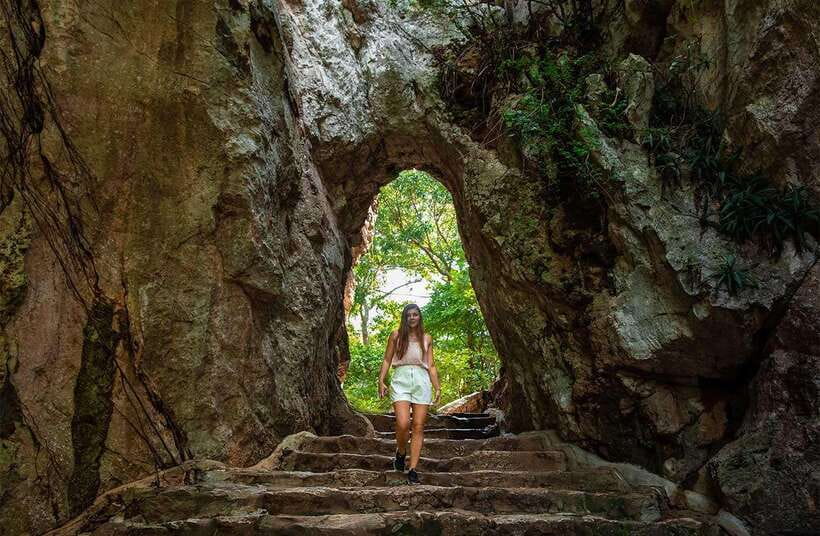
- Five Elements legend at Marble Mountains helps you understand why each hill and feature has meaning.
- Am Phu Cave’s karma storytelling uses symbolic scenes (including Heaven and Hell chambers) to frame Buddhist teachings.
- Lady Buddha at Linh Ung Pagoda is the 67-meter focal point, with views toward the sea.
- Monkey Mountain / Son Tra viewpoints give you the coastal perspective people come for.
- English guides like Quyen, Michael, Ty, Hung, Dran, Jackie, and Chau are repeatedly praised for clear explanations and good energy.
- Stairs are the real challenge—the tour is not a gentle stroll, and slippery steps can matter.
A Half-Day Route That Actually Feels Coherent
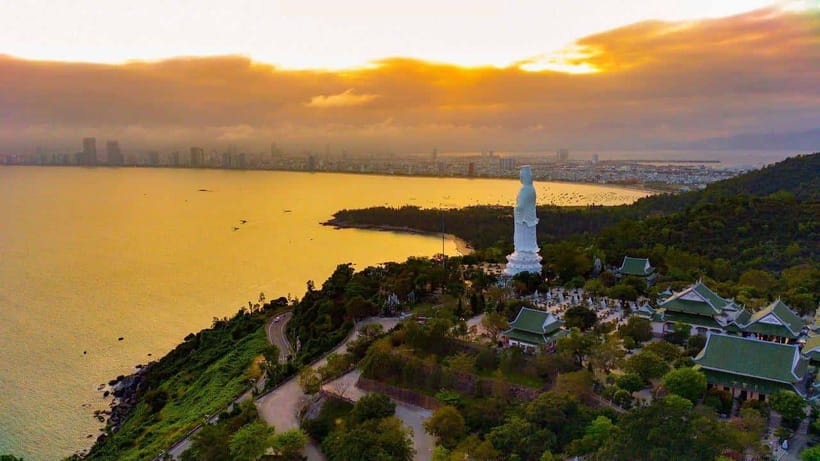
Da Nang’s biggest problem for visitors is thinking each sight is separate. This tour fixes that. You start with Marble Mountains, where the setting itself carries symbolism. Then you move into Am Phu Cave, where Buddhism is explained through scenes you can actually see. Finally, you head to Linh Ung Pagoda on Son Tra, where a giant white Buddha faces the sea for a very practical reason—protecting fishermen and, in local belief, bringing calm waters.
What you get for roughly $24 per person is a lot of guided value in a short window. You’re not just checking boxes. An expert local guide stitches the themes together—history, culture, and spirituality—while you walk the same paths locals have used for prayer and reflection.
And since it’s a small guided experience (with private group available), you’re not left wandering alone through stone stairs and dark cave halls. The group format also helps with pacing, especially at the end of the day when light can drop and stairs get trickier.
You can also read our reviews of more tours and experiences in Da Nang.

Marble Mountains: The Five Elements and the Caves That Do the Talking
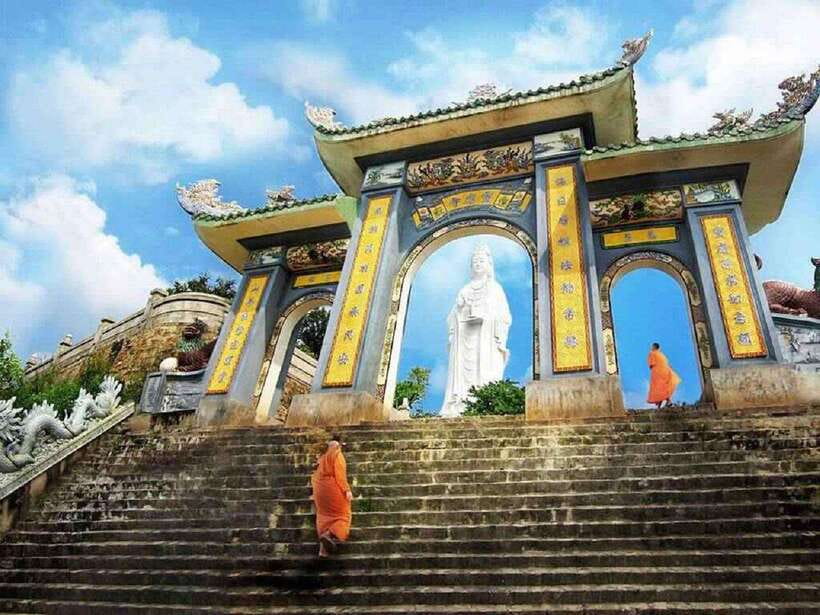
Marble Mountains is the kind of place where your eyes start working overtime. Even before you enter the major cave areas and pagodas, you’ll get oriented by the legend of five limestone and marble hills. Each is tied to an element—Metal, Wood, Water, Fire, and Earth—and it changes how you look at the temples and routes.
Once you’re on the ground, you’ll explore caves, ancient pagodas, and viewpoints inside the complex. Key stops include areas such as Xa Loi Tower and Linh Nham Cave. The big win here is atmosphere. It’s not a museum. It’s a living religious site where prayer and architecture meet natural rock formations.
A practical note: the walking is real. You’re on staircases and uneven surfaces, and many steps can feel slick if there’s rain. That’s why I treat this as an endurance stop, not a casual photo break. If you want an easier climb, there’s an optional elevator fee that can replace the first 146 steps at Marble Mountain. It won’t eliminate the rest of the walking, but it can take the edge off the hardest section.
Why I think this stop is worth your time:
- You see spiritual architecture built directly into the mountain’s structure.
- You get a guided explanation that helps the caves make sense fast.
- You come out with views that feel high and wide, not just postcard-perfect.
Potential drawback:
- If your feet hate uneven stone, you might feel it by the time you reach the later viewpoints. Plan for a slower pace and keep traction in mind.
Am Phu Cave: Where Buddhist Teachings Turn Into Visual Stories
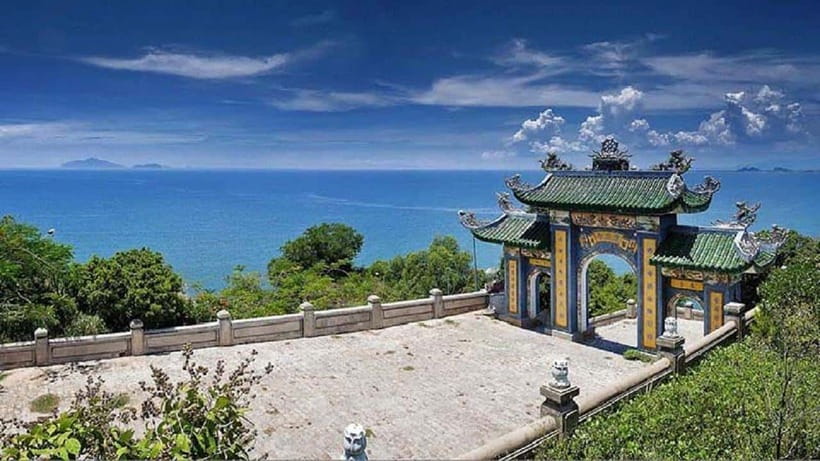
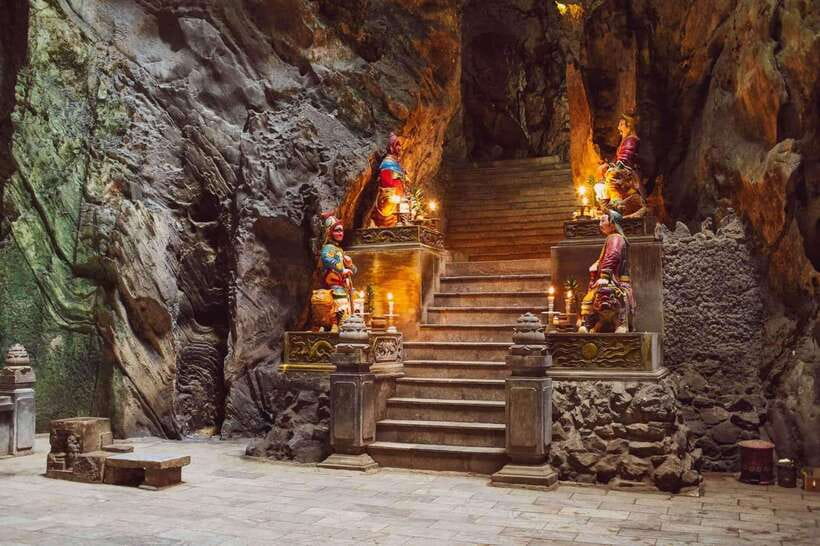
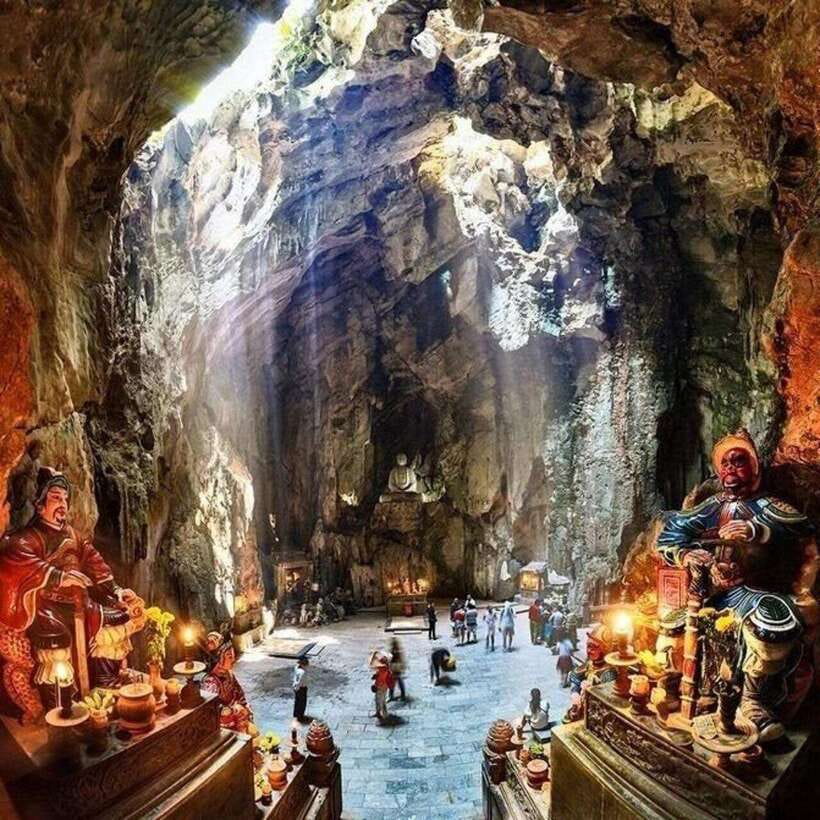
Am Phu Cave is where the tour starts feeling more like a narrative. Instead of just describing Buddhism in theory, the cave uses symbolic scenes to point at core teachings. You’ll walk through chambers that include representations often described as Heaven and Hell, and you’ll hear how the symbolism connects to ideas like karma, rebirth, and the transformation of daily life.
The lighting inside the cave matters. The atmosphere is darker, and the structures and sculptures are set in a way that makes the scenes stand out. If you’re the type who learns better from visuals than lectures, this cave is a strong match. Your guide helps you connect what you’re seeing with the meaning behind it, so you don’t leave guessing.
Also, it’s a different kind of pace. Marble Mountains is stairs and open air viewpoints. Am Phu is more about careful walking in a confined setting. You’ll want to slow down, watch your footing, and take in the details without rushing photos.
What I like most:
- The cave provides a clear, walk-through explanation of Buddhist ideas.
- You get a sense of scale—these aren’t small rooms you pass through without noticing.
A consideration:
- If you don’t enjoy dark interiors or uneven cave floors, you might want to wear shoes with good grip and keep your camera ready but not frantic.
Linh Ung Pagoda and the Lady Buddha: Big Views, Bigger Symbol
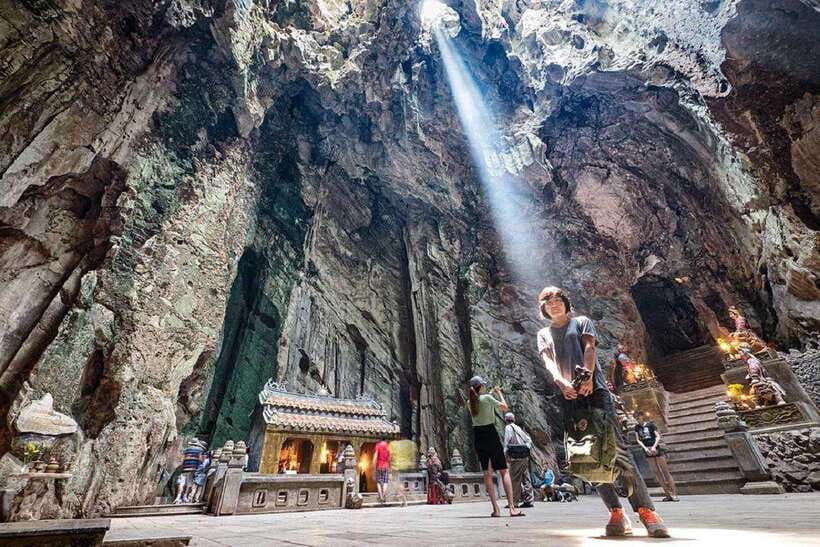
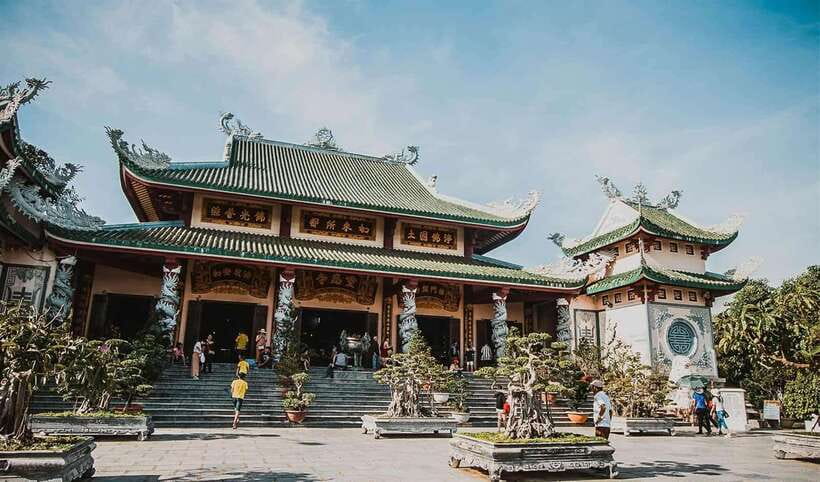
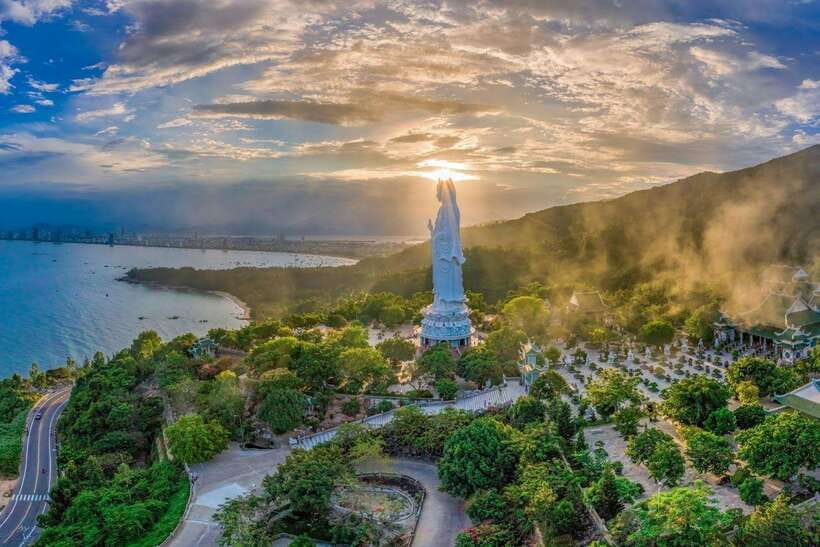
After the caves, the scenery shifts in a good way. Linh Ung Pagoda is one of the area’s most important spiritual sites, and the headline is the Lady Buddha, a 67-meter statue that’s described as Vietnam’s tallest of its kind. She faces toward the sea, tied to local beliefs about protection for fishermen and blessings for calm waters.
This is the kind of stop where you’ll feel the difference between sightseeing and spirituality. There’s still plenty of looking and photographing, but the space invites a slower moment. Even if you’re not a serious temple person, the scale makes it hard to treat like a quick check-in.
You’ll also hear why the location matters beyond aesthetics. A viewpoint like this isn’t just for tourists—it’s part of how locals interpret and read the coast. Your guide will share stories that connect the peninsula’s wildlife and the historical significance of the area with today’s beliefs.
Photo tip that’s practical, not fancy: bring a camera and take a few shots from the same spot at different angles. Lady Buddha is visible from key viewpoints, and you’ll likely want to compare how the sea-facing orientation changes the mood as the light shifts.
Time consideration:
- If you’re doing an afternoon session, light can fade near the end. One review noted it got dark later, making steep and uneven steps harder. Keep that in mind if you’re sensitive to low-light walking.
Monkey Mountain and Son Tra Views: The Coastal Payoff
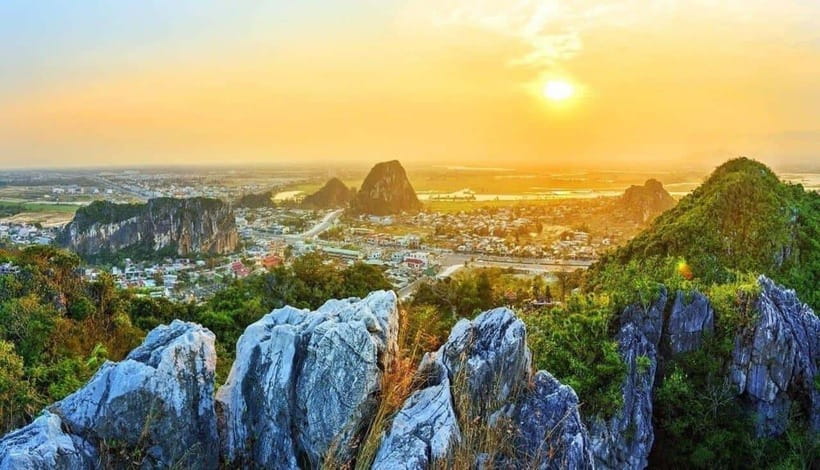
The tour’s final big reward is the peninsula viewpoint element, often described as Monkey Mountain within the Son Tra area. This is where you get panoramic views over the coast and city, which is exactly what you want after walking caves and climbing stone paths.
Even if you don’t focus on the monkeys themselves, the viewpoint does the work. From up here, Da Nang becomes readable: ocean line, coastline curves, and the city’s spread. It helps you understand why this part of the region holds a special place in local imagination.
In terms of what to aim for, I’d treat this as your “slow down” moment. You’ll get the best benefit by pausing, not just shooting and moving.
Why it’s valuable:
- The views give context for everything you just saw in stone and symbolism.
- It breaks up the tour with open air and a more relaxed pace.



Price and Timing: What $24 Buys You in Real Terms
Let’s talk value in plain language. This tour is listed around $24 per person and runs about 270 minutes to 5 hours. For that time, you’re getting:
- Hotel pickup and drop-off (Da Nang beachside and Hoi An city center are part of the covered zones)
- Air-conditioned transport
- Entrance fees
- An English-speaking guide
- Vietnamese lunch if you do the morning tour
If you were paying individually for transport, guide time, and entry fees, the price starts to look fair fast—especially because you’re visiting multiple iconic sites in one go. The biggest reason this feels worth it is that the guide isn’t optional background noise. You’re walking through spiritual places where the meaning is not obvious at first glance, and you benefit from an expert explaining the symbolism and history.
Timing affects your experience:
- Morning tour: lunch included, and you may get more daylight for stairs and cave lighting.
- Afternoon tour: no lunch included, but you might enjoy a later, softer light for viewpoints—just be careful if rain or fading light makes steps harder.
If you want the smoothest experience, go morning if you can. If you’re the type who hates rushing, pick the option that gives you the most daylight you can tolerate.
Logistics That Actually Matter (Pickup, Shoes, and the Elevator Option)
Pickup exists to remove friction. You can be picked up in several areas around Da Nang and Hoi An (including district-level zones and Da Nang’s listed areas). If you’re not staying in Da Nang beachside, you may be directed to a meet-up point on Vo Nguyen Giap St. The point is: confirm your pickup spot in advance so you aren’t hunting around.
Now the real deal: what to wear and bring. The basics are simple and they matter a lot here:
- Comfortable shoes with grip
- Hat and sunscreen
- Water (carry it when you can)
- Camera
The tour is not suitable for everyone. It’s not designed for wheelchair users, and it’s not ideal if you have back problems or vertigo. If you’re pregnant, it’s not marked as suitable.
Stairs: plan for them. Also know about the optional elevator at Marble Mountain that replaces the first 146 steps if you’re willing to pay an extra fee. That can be a smart middle option if you want to reduce strain without skipping the core sights.
Who This Tour Suits Best (and Who Might Feel Frustrated)
This is a strong fit if you:
- Like culture and spirituality, but also want explanations you can follow quickly
- Want to see Marble Mountains and caves without getting lost in the maze of paths
- Care about viewpoints and want the Son Tra coastal perspective
It’s not a great fit if you:
- Hate stairs or uneven ground
- Have mobility concerns that make climbing difficult
- Need a very slow pace with frequent seating breaks (this route is movement-heavy)
The guides make a difference. Reviews repeatedly highlight guides such as Quyen, Michael, Ty, Hung, Dran, Jackie, and Chau for being professional, friendly, and clear. Some guides also give practical tips on where to go first and how to route efficiently if you have free time later. That kind of coaching is exactly what helps when your legs start to feel it.
Should You Book This Da Nang Marble Mountains, Am Phu Cave, and Lady Buddha Tour?
Yes, if your goal is a focused introduction to central Vietnam’s spiritual side. This is one of those rare tours that stacks three major experiences with meaning: mountains and legends, cave symbolism, and a sea-facing pagoda with the region’s famous Lady Buddha.
I’d book it if you’re comfortable with stairs and can handle an active walking day. If you’ve got sensitive knees, back issues, vertigo, or you expect a mostly flat route, skip this one and look for a gentler itinerary.
Final gut check: this tour earns its price because you’re not only seeing landmarks—you’re getting a guided story that makes the stone and cave scenes feel connected. If that’s what you want, you’ll likely leave with better understanding and a lot of great photos along the way.