REVIEW · DA NANG
Da Nang: Local Street Food Walking Tour
Book on GetYourGuide →Operated by HOI AN FOOD TOUR · Bookable on GetYourGuide
The first bite changes how you read the city. This Da Nang local street food walking tour turns an ordinary evening stroll into a guided meal through small restaurants, shop counters, and even a local living-room style stop, with food and culture tied together by an English-speaking host.
I especially like the way you get 8 dish samples plus dessert—enough food to feel like you actually ate dinner, not just nibbled. I also like the small group size, capped so you can ask questions while you’re on the move.
One thing to plan for: the portions can be generous. On more than one night, people realized they’d eaten a full meal at multiple stops, so go in with an empty stomach—or at least don’t overdo lunch.
In This Review
- Quick takeaways before you go
- Why Da Nang street food makes sense as a walking tour
- What you’ll eat: 8 dishes, 1 dessert, and a coffee finish
- Inside the 6 stops: how each tasting spot works
- Stop type 1: saucy, tangy street starters (quail egg with tamarind)
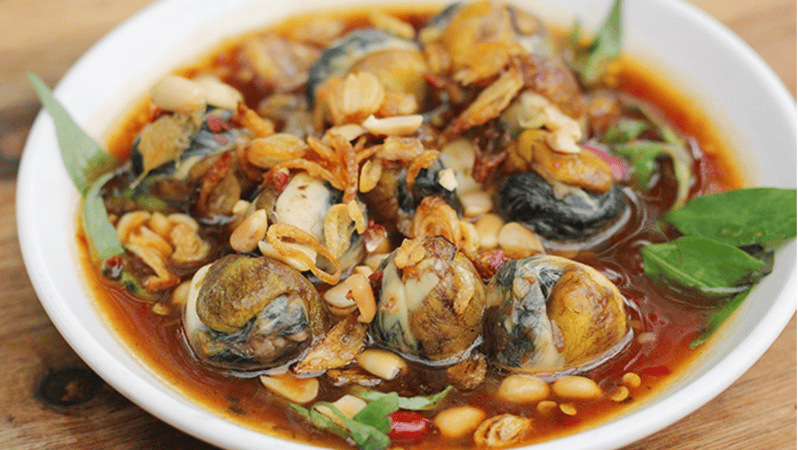
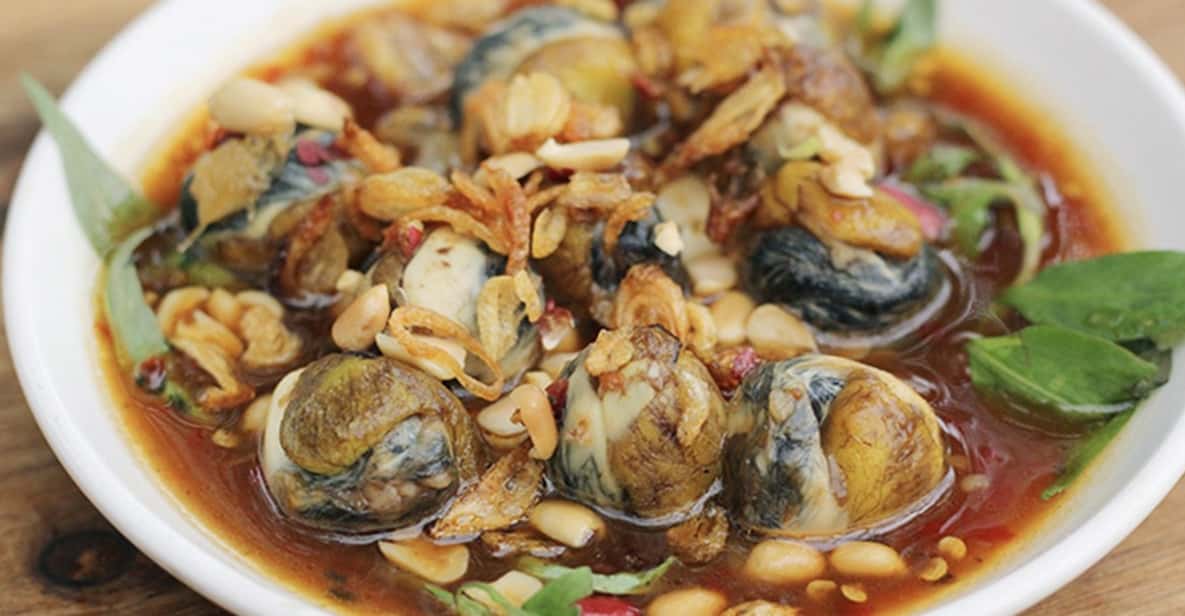
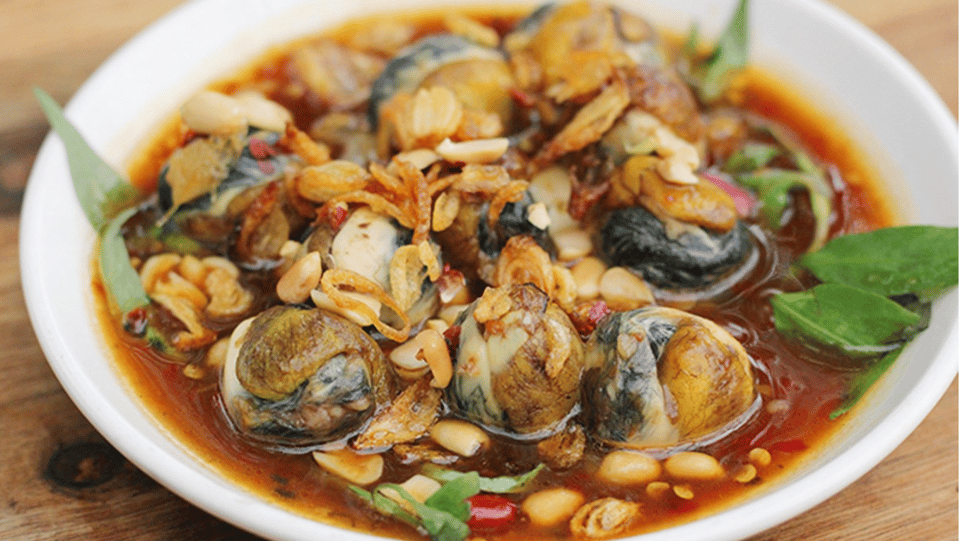
- Stop type 2: bold protein for the brave (balut)
- Stop type 3: noodles, umami, and crisp contrast (vermicelli + crispy roast pork)
- Stop type 4: rice cakes and chewy comfort (water fern cake + rice dumpling cake)
- Stop type 5: savory pancakes and snack-size bites (shrimp rice pancake + Vietnamese pancake + banh mi)
- Stop type 6: grilled beef wrapped in betel leaf (plus final sweet)
- The coffee stop at Outta da Blue: why it’s more than a break
- Walking, crossing streets, and staying comfortable for 150 minutes
- Price vs. value: what $29 really buys you
- Who should book this Da Nang street food tour
- Should you book this Da Nang local street food walking tour?
Quick takeaways before you go
- 6 tasting locations across about 150 minutes keeps the pace lively without feeling rushed
- 8 dishes and 1 dessert give you a real cross-section of Da Nang flavors, not random street snacks
- English guidance helps you understand what you’re eating, including the cultural side
- Expect real local stops, from street-side kitchens to shops and a more home-style setting
- Rain or shine: you’ll walk, so dress for weather and comfortable shoes matter
- The coffee stop can be a highlight, with options like egg coffee and peanut coffee
Why Da Nang street food makes sense as a walking tour
Da Nang street food has a rhythm. People eat where they’re comfortable, right where the food is made, and the best dishes aren’t always the ones with big signage. A walking format fixes the main problem: you won’t waste time guessing what’s safe, what’s fresh, and where locals actually line up.
On this tour, you’re not just “going to places.” You’re moving through the eating ecosystem of the city. That means you’ll see how vendors set up, how shops serve, and how families feed the people around them. It’s also easier to learn than to research, because the guide is there while you’re staring at the menu and wondering what on earth you’re about to taste.
And yes, it’s a lot of food. That’s part of the value equation. For $29, you’re buying access to a guided tasting that’s meant to replace dinner, not pad your curiosity with tiny bites.
You can also read our reviews of more walking tours in Da Nang

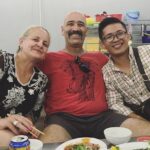
What you’ll eat: 8 dishes, 1 dessert, and a coffee finish

This tour is built around tasting enough food to keep your energy up for the full 150 minutes. Your menu includes a mix of savory starters, noodle and rice dishes, grilled items, and a sweet ending.
Here’s what you should expect to see on the tasting list:
- Quail egg stir-fried with a sweet and sour tamarind sauce
- Balut (Vietnamese embryo egg)
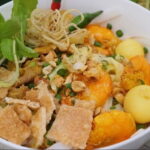
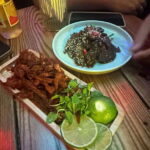
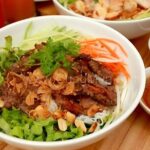
- Rice vermicelli with anchovy fish sauce and crispy roast pork
- Water fern cake (sweet or lightly sweet depending on preparation)
- Steamed rice pancake with shrimp
- Rice dumpling cake
- Vietnamese pancake
- Grilled beef betel leaf
- Vietnamese coffee plus a final dessert
Coffee shows up as more than a “drink break.” Da Nang has its own coffee style, and the tour is timed so you’ll get a proper chance to try it at the meeting-area coffee shop, which multiple guides and groups describe as quirky and retro, with a comfortable place to sit for a minute.
You may also notice extra local favorites in the mix, like salted coffee (often called caphe muoi) or peanut coffee. And some groups mention fruit like durian being offered at some point. If you’re unsure about strong flavors, tell your guide before you start eating so they can steer you toward what matches your comfort level.
Inside the 6 stops: how each tasting spot works
You’ll hit six tasting locations, with a total of eight dishes plus one dessert spread across the evening. The magic isn’t just that the food is good. It’s that each stop teaches you what a different style of Vietnamese eating feels like.
Stop type 1: saucy, tangy street starters (quail egg with tamarind)
Expect a dish that turns your brain on fast. Quail egg stir-fried with sweet and sour tamarind is a great first example of how Vietnamese flavors stack up: tang first, then sweetness, then savory depth.
Why it matters for you: tamarind-based sauces are a shortcut to understanding regional taste. If you like this one, you’ll probably enjoy other dishes that balance sour and sweet instead of leaning only salty.
Possible downside: if you’re sensitive to strong tang or you don’t like eggs, this is the kind of tasting that can feel intense at the start.
Stop type 2: bold protein for the brave (balut)
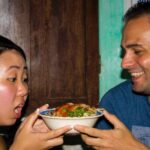
Balut is the tour’s “ready or not” moment. This isn’t about fear. It’s about context. With a guide talking you through what you’re looking at and how locals treat it, it’s easier to take the bite without it becoming a big emotional project.
Practical tip: if you’re curious but unsure, start with a small bite. Then decide if you want to go back for another.
You can also read our reviews of more food & drink experiences in Da Nang



Stop type 3: noodles, umami, and crisp contrast (vermicelli + crispy roast pork)
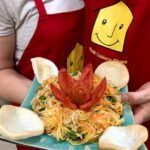
This is where the tour gets satisfying in a practical way. Rice vermicelli with anchovy fish sauce and crispy roast pork brings two big things to the table: chew (noodles), punch (fish sauce), and crunch (roast pork).
Why you’ll likely like it: it’s not just flavor. It’s texture. That combination is one reason street food works so well in Vietnam.
Stop type 4: rice cakes and chewy comfort (water fern cake + rice dumpling cake)
Vietnam does rice-based sweets and snacks in a way that feels both simple and surprising. Water fern cake and rice dumpling cake add a softer, calmer contrast to the earlier savory dishes.
Pay attention to sweetness and texture here. If you usually skip dessert when you’re full, this is the moment you might actually want to slow down and taste carefully. It’s not always a sugary blowout; it can be more about texture and gentle flavor.
Stop type 5: savory pancakes and snack-size bites (shrimp rice pancake + Vietnamese pancake + banh mi)
You’ll likely get a duo of pancake styles. The menu includes a steamed rice pancake with shrimp, and there’s also a Vietnamese pancake tasting. In addition, at least one set of groups specifically calls out room for banh mi as part of the savory lineup.
What to expect: pancakes here can be light or hearty depending on how they’re built, and shrimp adds a sweet-salty note that pairs well with coffee later.
Possible drawback: this is another stop where portions can feel more like lunch than a tasting. If you’re the type who gets full easily, plan to take smaller bites across the early savory items so you don’t hit pancake overload.
Stop type 6: grilled beef wrapped in betel leaf (plus final sweet)
You’ll finish with grilled beef betel leaf, a dish that teaches you how herbs and heat can work together. Betel leaf brings a fresh, aromatic edge that keeps grilled meat from tasting one-note.
Then you land at the sweet end: dessert after all the savory. Multiple people recommend saving space, but in real life, you’ll only know how much you can handle once you’re eating. The good news: the pace gives you a chance to cool off, sip water, and reset between stops.
The coffee stop at Outta da Blue: why it’s more than a break
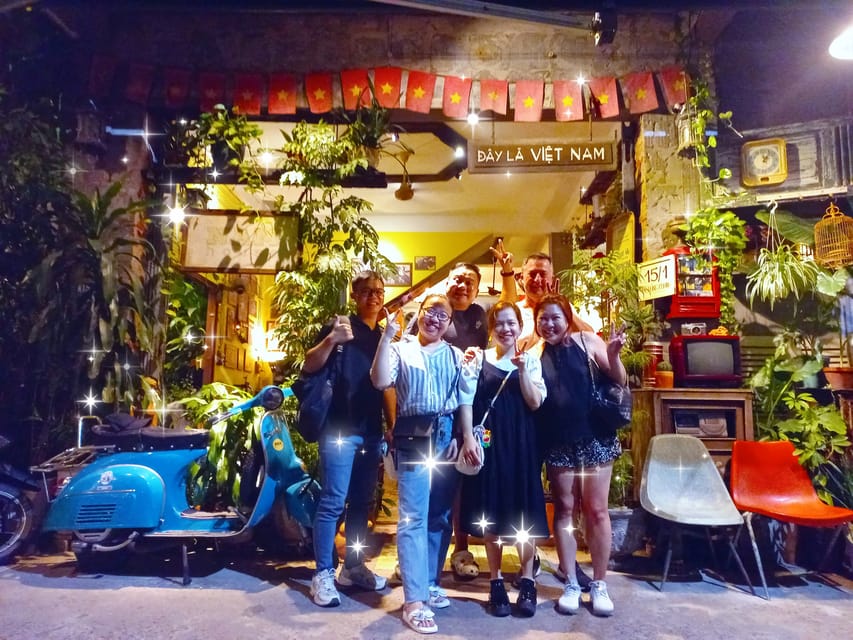
The meeting point is also part of the experience: Outta da Blue – Specialty Coffee, 66 Pasteur, Hải Châu 1, Hải Châu. That matters because you’re not walking into an empty plan. You start with orientation and a chance to taste coffee styles that many people don’t expect to see in Vietnam.
Coffee styles mentioned in the tour experience include:
- egg coffee
- peanut coffee
- salted coffee (often called caphe muoi)
Why this is valuable: egg coffee and peanut coffee are the kind of drinks that make you pay attention to technique. The foam, richness, and flavor balance change how you view Vietnamese coffee beyond the idea of “it’s strong.”
Also, one practical bonus is comfort. Some groups note this is the stop with the proper air conditioning, which can be a lifesaver on a hot Da Nang evening.
Walking, crossing streets, and staying comfortable for 150 minutes
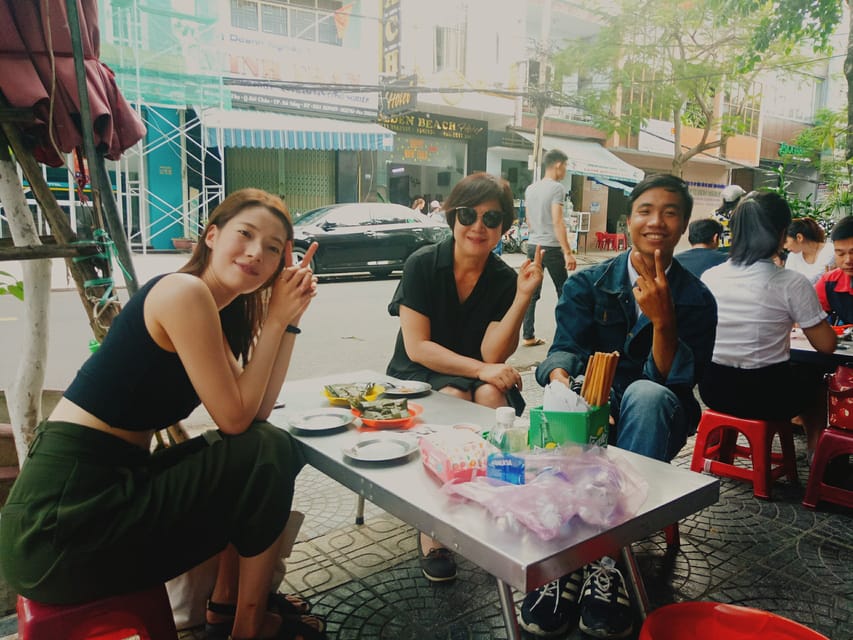
This tour is rain or shine. So I treat it like a weather-proof evening: comfortable shoes, breathable clothes, and a light layer if the evening cools down.
The route includes road crossings, and guides are praised for handling that smoothly with solid English and calm instructions. That’s more important than it sounds. In a street-food setting, you need time to look at food, not time to worry about traffic.
What you can do to make it easier on yourself:
- Pace your bites so you’re not stuffed halfway through
- Carry your energy: water is included, and coffee comes later
- Ask questions as you eat, not after the fact
The small group cap (up to 12 participants) is a real advantage here. It keeps the flow manageable so the guide can check in, handle preferences, and move at a human pace.
Price vs. value: what $29 really buys you
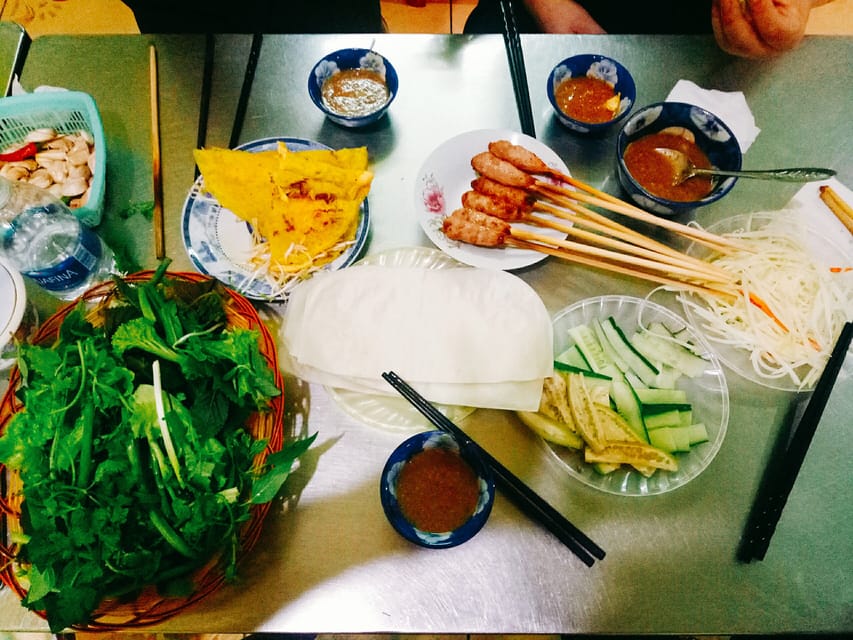
At $29 for about 150 minutes, this tour isn’t “cheap street food.” It’s paid guidance over a high-effort experience: six locations, enough tastings for dinner, and an English-speaking guide who helps you understand what you’re eating.
Here’s the value equation I’d use:
- You’re paying for access to places that feel local and low-pressure
- You’re paying for translation of taste and culture while you eat
- You’re paying for a structured tasting so you don’t have to choose on your own
Could you eat street food in Da Nang without a guide? Sure. But you’d also spend time figuring out what to try, where to try it, and how to interpret ingredients like tamarind, betel leaf, or anchovy fish sauce. This tour does that work for you, then hands you the bite-sized lessons.
One warning on value: because the portions can land closer to full meals at each stop, you’ll feel best if you treat it as dinner replacement. If you go hungry, you’ll think the price is fair. If you go already full, it might feel like a lot of food for one evening.
Who should book this Da Nang street food tour
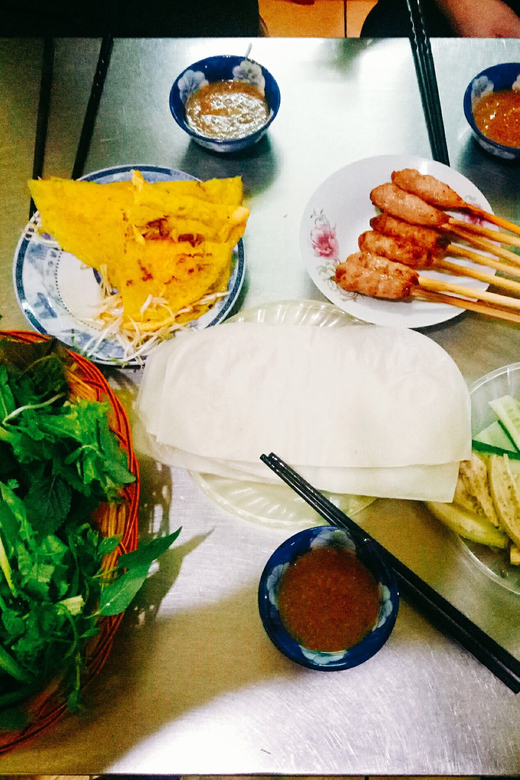
This is a strong fit if you want:
- Local street food without the guessing
- A calmer way to try foods that feel intimidating, like balut
- An evening plan that builds confidence to eat on your own later
It’s also a good choice for families and food-curious visitors who want street food but don’t want to feel lost. The guide’s job is to keep you moving, explain what you’re eating, and help you handle preferences in the moment.
I’d skip it if:
- You hate trying unusual foods and want only familiar flavors
- You get motion sick or dislike walking in heat (because it’s rain or shine)
- You want a light snack evening rather than a full dinner tasting
Should you book this Da Nang local street food walking tour?
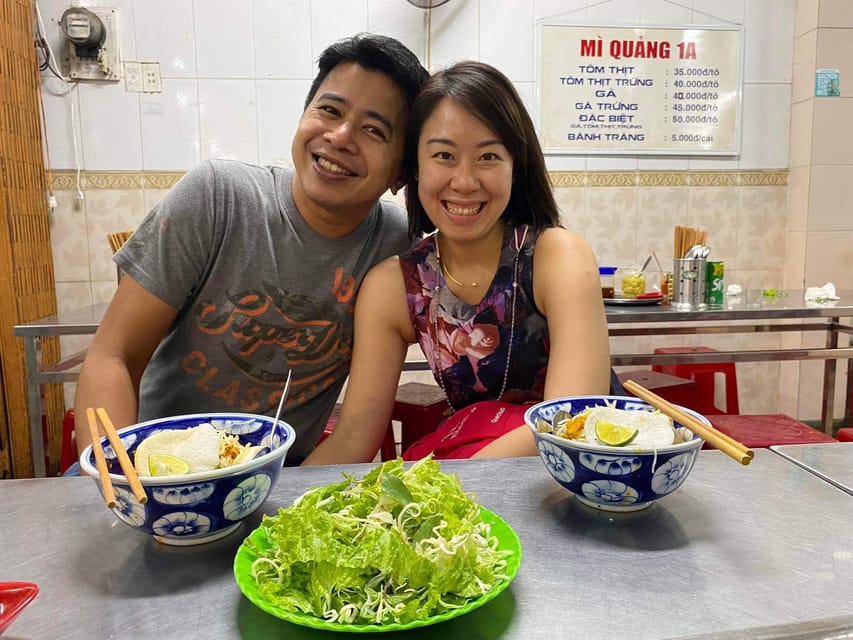
Yes, if you’re coming to Da Nang for food and you want a structured way to taste like a local. The biggest reason to book is practical: you get enough variety to understand the city’s street-food logic, and you do it with an English-speaking guide while the food is in front of you.
If you’re worried about overeating, the fix is simple: go with an empty stomach, slow down at each tasting, and don’t force extra bites just to prove you’re brave. This tour rewards good pacing as much as it rewards curiosity.