REVIEW · DA NANG
Da Nang : Marble Mountains, Monkey Mountain, and Am Phu Cave
Book on GetYourGuide →Operated by Vietnam Orange Tour · Bookable on GetYourGuide
Da Nang’s caves and pagodas pack a lot into a short tour. You’ll start with Marble Mountains and its famous stone-carving culture, then keep going through Am Phu Cave and end at Monkey Mountain for the giant Lady Buddha statue. The mix of viewpoints, worship spaces, and craft stops makes this more than a quick sightseeing run.
What I like most is how the route is built around walking and views, not just photo stops. You also get an English-speaking guide and hotel pickup/drop-off, so you spend your time actually seeing things. One consideration: the Marble Mountains involve serious stairs, and the tour isn’t suitable for people with mobility or heart concerns.
Key things you’ll notice fast
- Marble Mountains stairs: 146 steps up to the first stop, then another 136 steps to the next cave system
- Cave variety: Huyền Không or Tàng Chơn Caves plus the bigger Âm Phủ Cave
- Craft stop included: a walk that lets you see local stone sculpture factories
- Monkey Mountain finale: giant Lady Buddha statue with a garden and bonsai backdrop
- Buddhist themes: you’ll hear explanations of philosophies tied to the sites
- Rain or shine: the tour runs in typical weather, so plan for wet ground
In This Review
- Where This Tour Fits in Your Da Nang / Hoi An Plan
- The Marble Mountains Start: Pagodas, Stonework, and Real Walking
- Xa Loi Tower and the 19th-Century Pagoda Look
- Stone Sculpture Factories: Why This Stop Feels More Authentic
- Huyền Không or Tàng Chơn Caves: Your Underground Detour
- Âm Phủ Cave and the Buddhist Philosophy Connection
- Lunch Stop: Fuel for the Monkey Mountain Finale
- Monkey Mountain: Lady Buddha, Bonsai, and “Garden of Heaven”
- Price and Value: What $25 Buys You (and What It Doesn’t)
- Timing, Steps, and Getting the Most Out of Your 4–5 Hours
- Who This Tour Suits Best (And Who Should Skip)
- Practical Tips Before You Go
- Should You Book This Da Nang Tour?
- FAQ
- How long is the tour?
- Is hotel pickup and drop-off included?
- What’s included in the price?
- Are there stairs on Marble Mountain?
- Can I use an elevator to reduce the stair climb?
- Does the tour run in bad weather?
Where This Tour Fits in Your Da Nang / Hoi An Plan
This is a focused half-day-style outing, built around three well-known stops near Da Nang. The timing works nicely if you’re trying to balance beach time with culture, especially when you’re staying in either Hoi An or Da Nang beachside. The tour runs about 4–5 hours, and you’ll see starting times when you check availability.
The big practical win is the door-to-door style setup. You get hotel pickup and drop-off (with specified pickup/drop zones), and you ride in a van with an English-speaking guide. That matters here because Marble Mountains and the cave areas are not the kind of place you want to figure out on your own while also managing stairs and shoe choices.
The “small groups / private” option can also make a difference. Even if you end up in a shared group, you’ll still move in a way that’s designed for sightseeing flow—caves, pagodas, and then the statue/garden finish.
The Marble Mountains Start: Pagodas, Stonework, and Real Walking
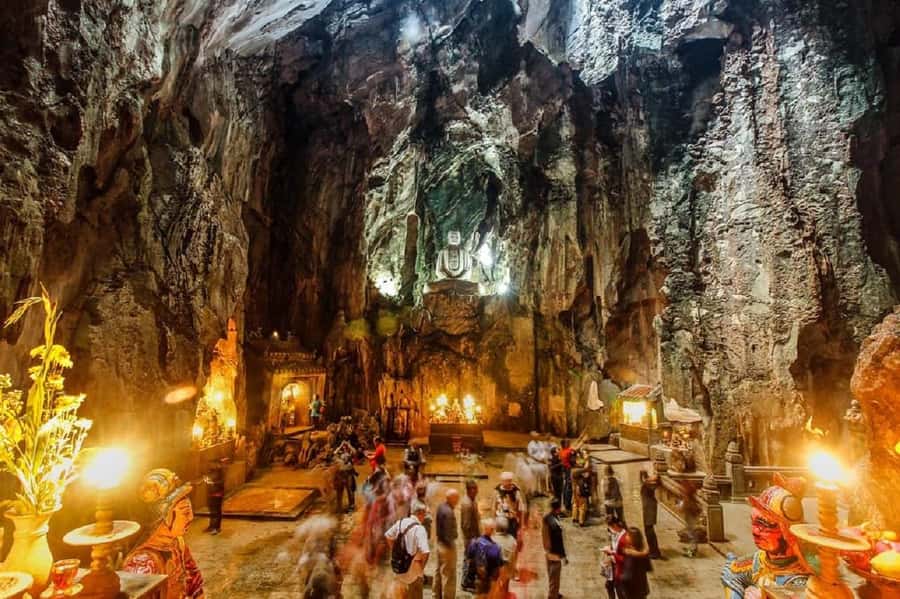
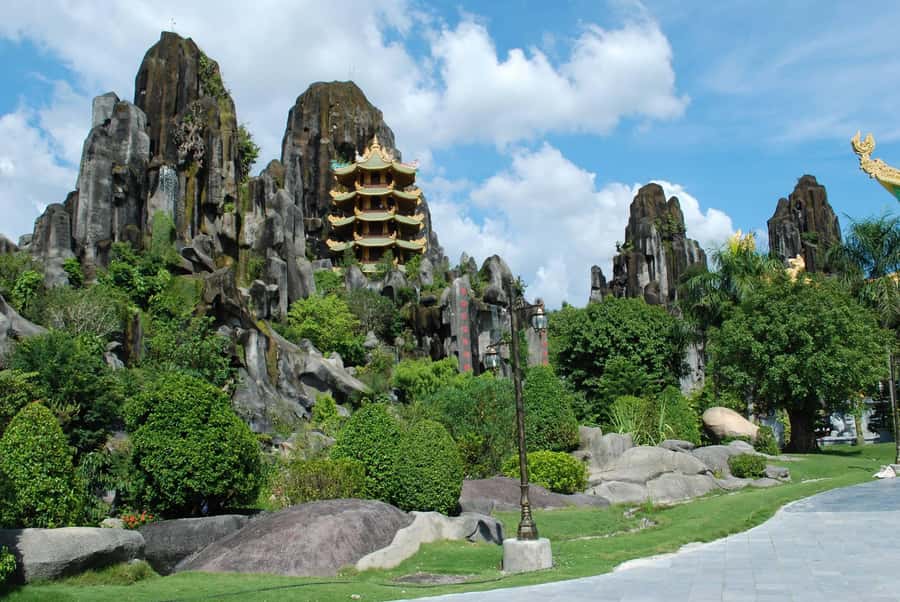
The tour begins at the Marble Mountains area, and you don’t just arrive and race for the top. You’ll make a photo stop and guided sightseeing (about 2 hours here), plus a walk along the site that includes a look at local stone sculpture factories.
That craft element is easy to skip on other tours, but it’s part of why this stop feels grounded. The Marble Mountains are famous for their stonework, and seeing the production side helps you understand what you’re looking at later—both the carved details and the sheer volume of items created for worship and souvenir markets.
Then comes the main physical reality: stairs. The information is clear:
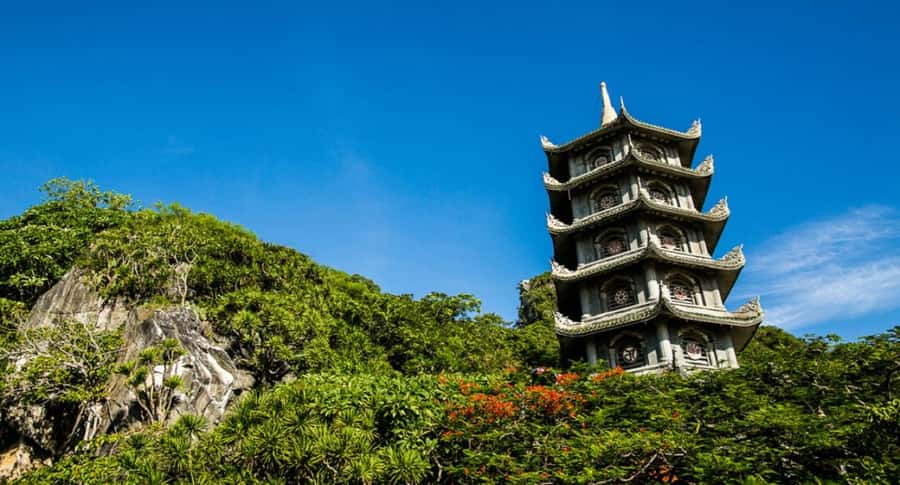
- There are 146 steps from the foot of Marble Mountain to the first stop (Xa Loi Tower)
- Then it’s another 136 steps up to the second stop (the cave system)
You can use the elevator for the first 146 steps, but only if you pay for it yourself. If you’re someone who prefers to save your legs, this optional elevator can be a smart choice. If you’re comfortable with stairs, you’ll still find the climb breaks up nicely with views and stops.
You can also read our reviews of more tours and experiences in Da Nang.


Xa Loi Tower and the 19th-Century Pagoda Look
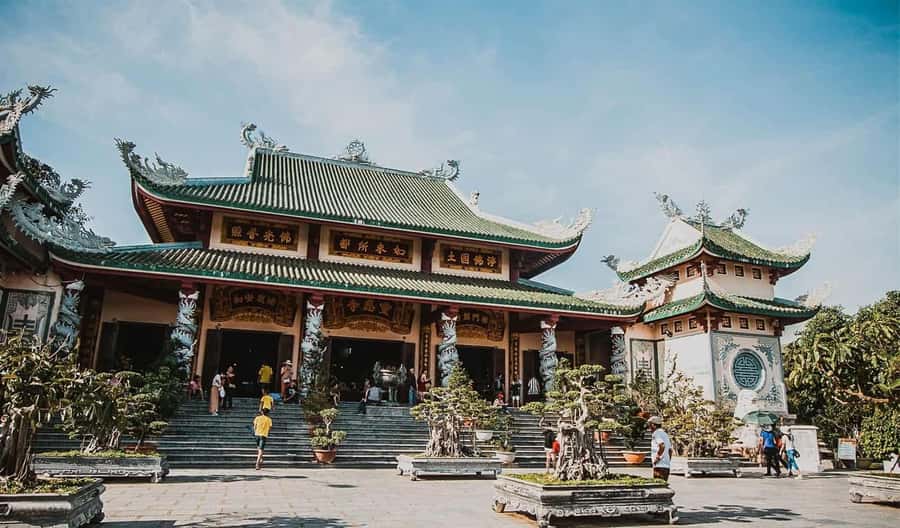
Once you start climbing, the first big reward is how the pagoda structures sit along the mountain paths. At Xa Loi Tower, you’re not just getting a landmark—you’re getting your bearings. This is also where you’ll see why the area feels like a mix of spiritual site and tourist destination: pagoda design, carved stone, and the constant movement of people taking photos.
The tour’s guided element matters because you’ll get context for what you’re seeing. The pagodas at the top were made in the 19th century by the last dynasty of the Vietnam monarchy, and that time anchor helps the place feel more specific than just scenic.
One balanced note: this section can get crowded depending on the day and time. Your guide helps you keep pace without losing time, but you’ll still be sharing viewpoints and step space.
Stone Sculpture Factories: Why This Stop Feels More Authentic
Right after the pickup-to-Marble Mountains transition, there’s a stop for a walk that lets you see local factories of stone sculptures. This is where the tour becomes more than a series of landmarks.
I like this because you’re getting a “how it’s made” moment. If you’ve ever wondered why so many items in Vietnam’s central regions look carved from the same materials, this is the kind of quick stop that gives you the answer. You’ll also likely spot different styles and tools, and it makes your later photos more meaningful—because you’re photographing craft, not just objects.
If you care about buying something handmade, this is also the moment you’ll understand what to look for. (Even if you don’t shop, you’ll still learn what makes the work distinct.)
Huyền Không or Tàng Chơn Caves: Your Underground Detour
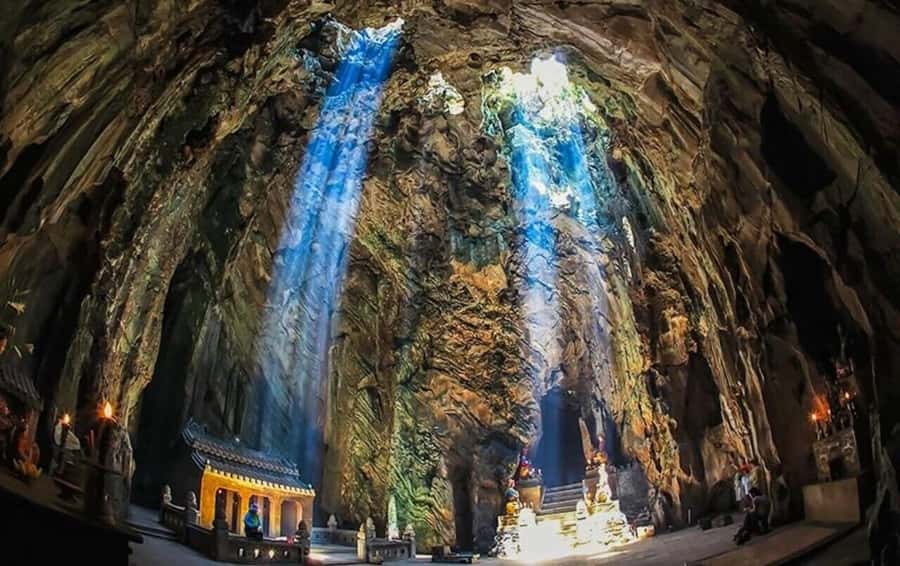
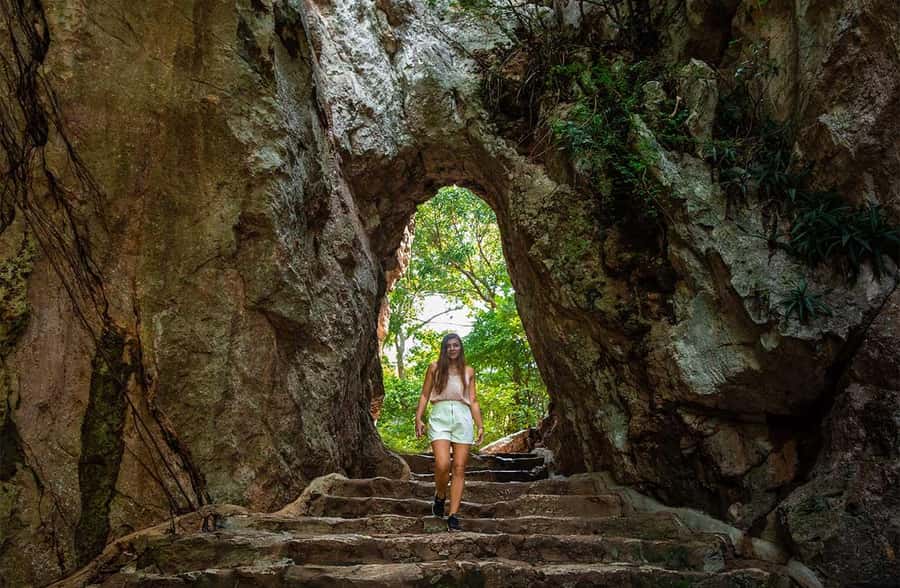
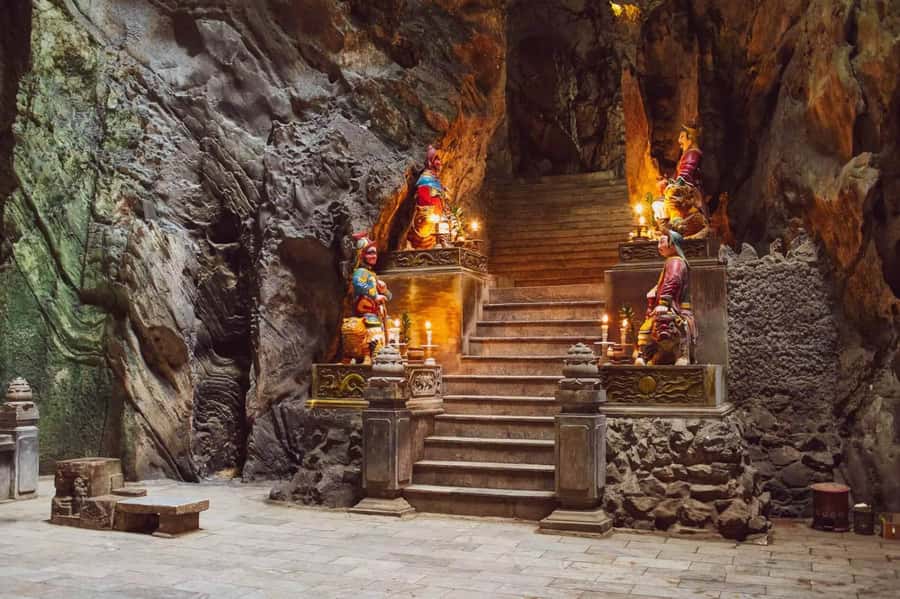
After the upper mountain stops, you’ll move to the cave systems, with a stop at Huyền Không or Tàng Chơn Caves. This portion is valuable because it shifts the experience from open viewpoints to more enclosed, temple-like cave spaces.
Caves are the kind of attraction where lighting and timing can change how it feels, so having a guide helps you focus on what matters. The guide’s role here isn’t just to keep you moving—it’s to connect the visuals to the beliefs people associate with these places.
Also, this is where you’ll feel the step count more clearly. The cave system starts after the second climb, and you’re doing it as part of a guided flow. If you use the elevator for the first 146 steps, it can take some pressure off the start, but the cave climb still involves stairs.
Âm Phủ Cave and the Buddhist Philosophy Connection
Then you go to the biggest named cave: Âm Phủ Cave. The tour frames this as more than a physical location. You’ll learn interesting philosophies of Buddhism as you go, and you’ll also get time to take photos with the natural creations.
This is a key part of why I think this tour is worth it: it tries to connect the spiritual meaning to what you see in rock, pagodas, and cave space. Without some guidance, caves can feel like “OK, it’s dark and there are formations.” With the philosophical explanation, you’re more likely to notice details and understand the purpose of the visit beyond sightseeing.
Practical note: cave floors and footpaths can be slippery if it rains. The tour runs rain or shine, so comfortable shoes matter more here than in a typical city walk.




Lunch Stop: Fuel for the Monkey Mountain Finale
After the morning climbing and cave time, you’ll stop for lunch at a local restaurant with authentic Vietnamese cuisine. If you choose a shared morning tour, lunch is included; other variations may differ, so it’s worth checking before you go.
This lunch break is strategically timed. You’ll need energy for the last major stop, and lunch also gives you a chance to reset before the statue garden. Even if you’re picky with food, the format is still straightforward: local set-style meal at a local restaurant, meant to keep the tour moving.
Monkey Mountain: Lady Buddha, Bonsai, and “Garden of Heaven”
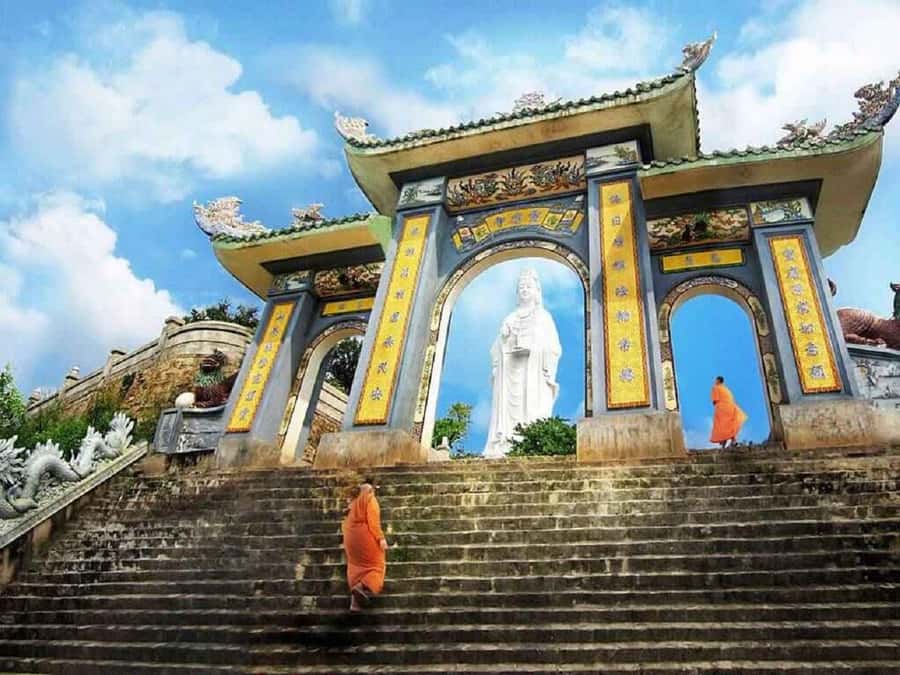
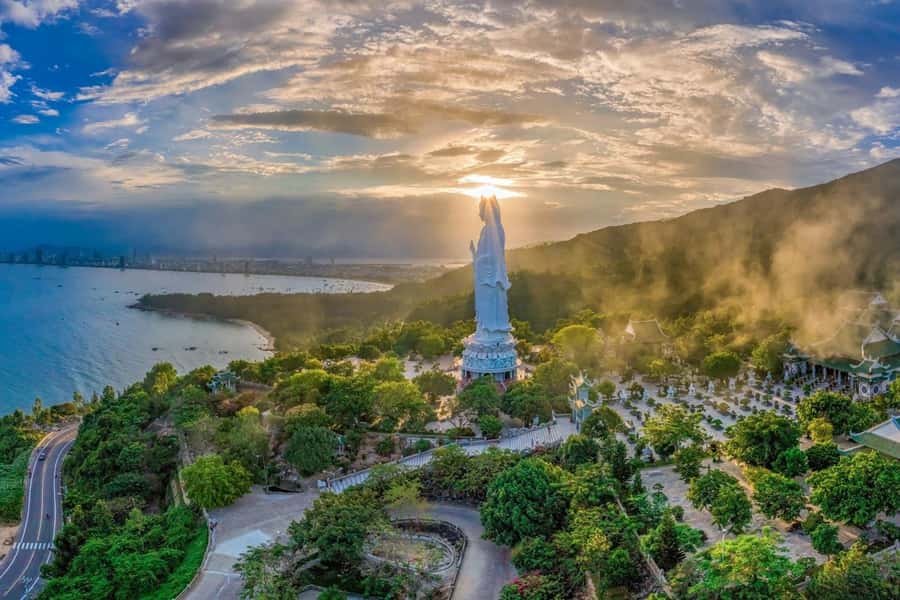
After lunch, the van takes you to Monkey Mountain. The headline here is the giant statue of Lady Buddha, and the tour builds in a photo stop and guided tour time (about 45 minutes at the Lady Buddha stop).
What makes this part feel different from Marble Mountains is the atmosphere. Instead of rock steps and cave shadows, you’re walking in a garden setting. The description emphasizes a garden with a background of mountains and a huge garden of bonsai—that combination gives you lots of angles for photos that don’t all look the same.
You’ll also get “gripping stories” as you walk gently and enjoy the fresh air. The guide connects these visuals back to Buddhism, so the statue isn’t just a big photo prop. It feels like a place with meaning, plus a place designed for visitors.
A drawback to keep in mind: if you’re already tired from the Marble Mountains climb, Monkey Mountain can still involve walking through garden paths. It’s less stair-heavy than the mountain climb, but it’s not zero-effort.
Price and Value: What $25 Buys You (and What It Doesn’t)
At around $25 per person, this tour is priced like a good deal for what you get: hotel pickup and drop-off, a van ride, an English-speaking guide, entrance fees, and lunch if you choose the shared morning option.
Here’s the value logic: you’re paying for logistics you’d otherwise handle yourself. Even if you could find buses or taxis, you’d still have to time the steps, cave sequence, and entrance costs. The guided route makes it efficient.
What you don’t get: personal expenses, and importantly, the elevator (if you choose it) is optional but costs extra. Also, the tour doesn’t describe any other paid upgrades. If you want the easiest ascent, you should plan for that elevator cost.
Timing, Steps, and Getting the Most Out of Your 4–5 Hours
This is a short tour, but it’s not “stamp and go.” The day is structured like this:
- Pickup from specified Hoi An and Da Nang areas
- Travel to Marble Mountains
- Guided time for viewpoints/craft/caves
- Lunch
- Monkey Mountain and Lady Buddha
- Drop-off back to your area
The itinerary includes several transfer moments (van rides). Those aren’t bad—on a tour like this, they keep you from wasting time. But they mean you’ll want to show up ready: use the bathroom before pickup if needed, and have your camera and water accessible.
If you’re sensitive to heat or rain, choose shoes that can handle wet conditions. This tour takes place rain or shine, and caves plus outdoor stone paths aren’t the place to test new footwear.
Who This Tour Suits Best (And Who Should Skip)
This works best if you:
- Want an organized route through Marble Mountains + caves + Monkey Mountain in one go
- Appreciate guided context, especially for Buddhist philosophies
- Prefer not to plan transport and entrance timing alone
- Are comfortable with lots of walking, including stairs
It’s not suitable for:
- Pregnant women
- People with heart problems
- People with high blood pressure
- Wheelchair users
- People over 80 years
The stair reality is the biggest reason. Even with the elevator option for the first 146 steps, the tour still requires climbing and moving through cave areas.
If you’re on the fence because of fitness, you’ll want to think honestly about how you handle stairs on a normal day. The tour’s structure is efficient, but it’s still physically demanding.
Practical Tips Before You Go
Bring comfortable shoes, water, and a camera. That’s the essentials list, but it matters because you’ll be on stone paths, climbing stairs, and spending time in cave areas.
A few extra tips that follow the realities of this specific tour:
- If you think the steps will be hard, plan around the optional elevator for the first climb. You pay for it yourself.
- Wear footwear with grip. Caves and wet stone are where slipping happens.
- Pack light so you’re not juggling a bag on stairs.
- If you’re choosing where to stay, keep pickup/drop-off zones in mind. Pickup and drop-off are available from Hoi An city center (excluding South Hoi An area) and Da Nang beachside, plus several named pickup/drop areas.
Should You Book This Da Nang Tour?
Book this tour if you want a well-paced, guided hit of three major sights with a mix of craft, climbing, caves, and a big payoff statue. The $25 price makes sense because entrance fees, guide time, and transportation are folded in, and the lunch stop helps you keep energy for the second half.
Skip or reconsider if stairs are a problem for you, or if you fall into the listed health or mobility categories. Also, if you’re hoping for an easy stroll with minimal walking, this isn’t that kind of outing.
If you’re looking for one efficient way to experience Marble Mountains, then connect it to Monkey Mountain and Âm Phủ Cave with real context, this is a solid choice.
FAQ
How long is the tour?
The tour runs about 4–5 hours.
Is hotel pickup and drop-off included?
Yes. Hotel pickup and drop-off are included, with service available from selected areas in Hoi An and Da Nang beachside.
What’s included in the price?
Included are hotel pickup and drop-off, an English-speaking guide, transport by van, entrance fees, and lunch at a local restaurant if you choose the shared morning tour option.
Are there stairs on Marble Mountain?
Yes. There are 146 steps to the first stop (Xa Loi Tower) and then 136 steps to the second stop (the cave system).
Can I use an elevator to reduce the stair climb?
You can use the elevator for the first 146 steps, but it’s at your own expense.
Does the tour run in bad weather?
Yes. The tour takes place rain or shine.