REVIEW · DA NANG
Safari – Finding the most endangered monkey in the World
Book on GetYourGuide →Operated by SON TRANG DUNG COMPANY LIMITED · Bookable on GetYourGuide
A rare monkey hunt in Son Tra at sunset. This 2.5-hour outing focuses on finding the red-shanked douc langurs, including how guides spot them and even help you identify sex and age in the field. What I like most is the way you learn real field skills while keeping a respectful distance, and the added value of the motorbike route into quiet jungle corners where most people never go.
One thing to keep expectations realistic: you’re not guaranteed to see monkeys every time, and rare sightings depend on weather, monkey behavior, and luck.
In This Review
- Key things to know before you go
- Sunset Monkey Safari in Son Tra: why this is special
- The route and timing: what you’ll actually do in 2.5 hours
- Start: Esco Beach Bar meeting point
- Ride into Son Tra: twisting roads, quick scouting
- Jungle trail: quiet watching and real field learning
- Research moment: helping collect on-the-spot data
- Hidden scenery: Monkey Mountain and a secret beach
- How the guides increase your chances (and keep it ethical)
- What you get: included gear, food, and that photo bonus
- Binoculars for shy monkeys
- Water and fruit snacks
- Cameras: you bring yours, but you may not need to fight your settings
- Price and value: is $48 worth it?
- Who this safari fits best (and who should skip it)
- Practical notes that affect your comfort
- Light travel matters
- Weather and luck are real variables
- Safety and respect are part of the show (not an afterthought)
- Should you book this Red-shanked Douc Langur safari?
- FAQ
- How long is the safari?
- Where do I meet for the tour?
- Is it guaranteed that we will see the monkeys?
- What’s included in the price?
- Are cameras and photo gear included?
- Are there any extra charges I should know about?
Key things to know before you go
- Small group capped at 5 means more time with your guide and less pressure when you’re watching from the trail
- Binoculars included for extremely shy langurs, so you can actually see what your eyes might miss
- Motorbike + walk mix gets you to remote slopes without spending the whole trip commuting
- You join real-time research by helping collect on-the-spot data about the monkeys you encounter
- Hidden scenery stops include views from Monkey Mountain and a secret beach area on the way back
- Fotos link after the tour is a practical bonus when you want sharper shots without hauling extra gear
Sunset Monkey Safari in Son Tra: why this is special
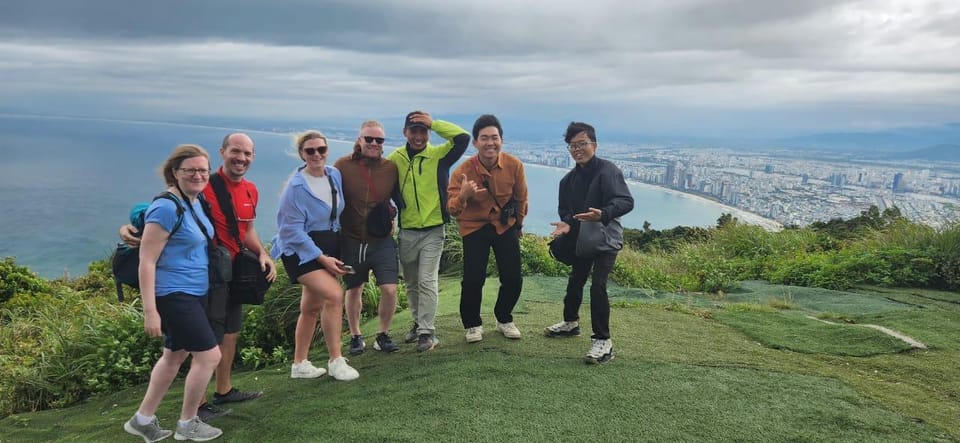
This is one of those Da Nang experiences where the goal isn’t just a photo. It’s about understanding how endangered primates live in the wild, and doing it at the time of day when the forest feels most alive.
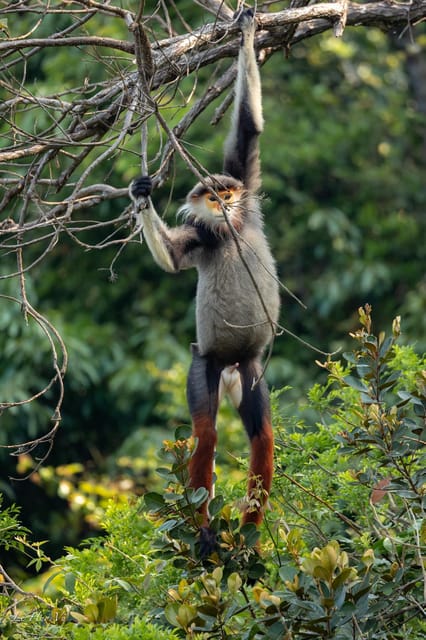
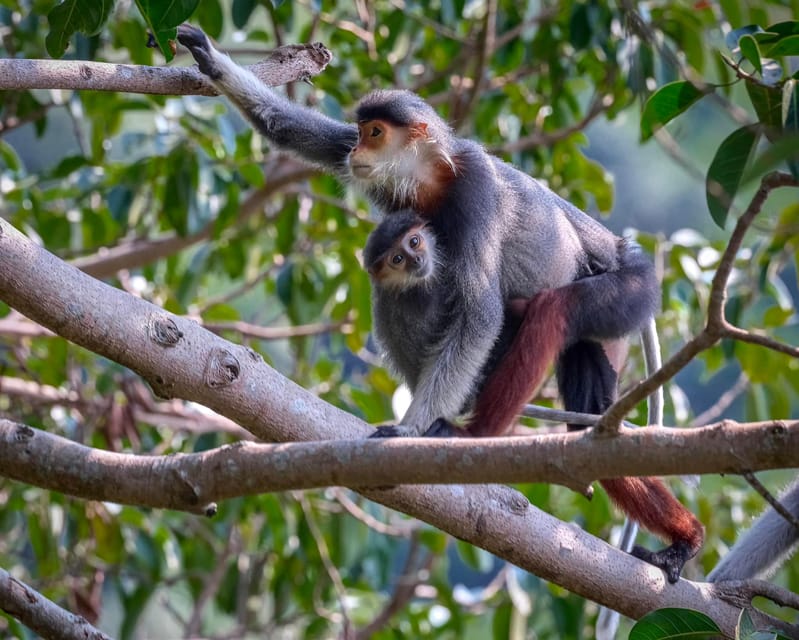
Your target is the critically endangered red-shanked douc langur—often called the Queen of Primates. The trip is built around searching for them in Son Tra Nature Reserve, and it’s not the kind of outing where you get herded into one spot. Instead, you follow your guide’s eyes and the animals’ rhythms along twisting mountain roads and jungle paths.
Two things I genuinely like about this safari: first, the guides focus on finding and observing rather than forcing a confrontation. Second, you don’t just look—you learn. You can practice how to tell a female vs. male and how to estimate age based on what you’re seeing, with help from wildlife-focused interpretation in the moment.
The main consideration is also the most important one: you cannot count on seeing monkeys every time, and you might not see the exact rare groups you hope for. That’s not a trick—it’s how wildlife watching really works in the forest.
You can also read our reviews of more tours and experiences in Da Nang.
The route and timing: what you’ll actually do in 2.5 hours
The activity runs about 2.5 hours, but the experience feels like a gentle “go, pause, scan, walk” rhythm. It’s designed as an easy stroll across mountain terrain plus short jungle segments, so you get movement without the trip turning into a hardcore hike.
Start: Esco Beach Bar meeting point
You meet at Esco Beach Bar in Da Nang (the tour also notes it for guests coming from Hoi An or without a pick-up location). The good part about this is simplicity: you’re not trying to find a hotel lobby at dusk. When the group is small (max 5 participants), it’s also easier for the guide to manage everyone’s timing and camera/bag situation.
Ride into Son Tra: twisting roads, quick scouting
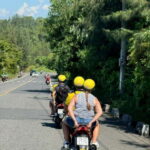
You travel by motorbike with your guide as your private driver, then you walk into remote areas. The ride matters because it puts you in position before crowds or before the animals change their behavior. You’re also higher up and deeper in the hills, which tends to increase your odds of sightings.
In guides’ hands, the motorbike time isn’t random thrill-seeking. It’s part of the search strategy. People who are nervous about riding often still manage fine if they take it slow and communicate—one older traveler in the reviews specifically called out their guide’s careful driving.
Jungle trail: quiet watching and real field learning
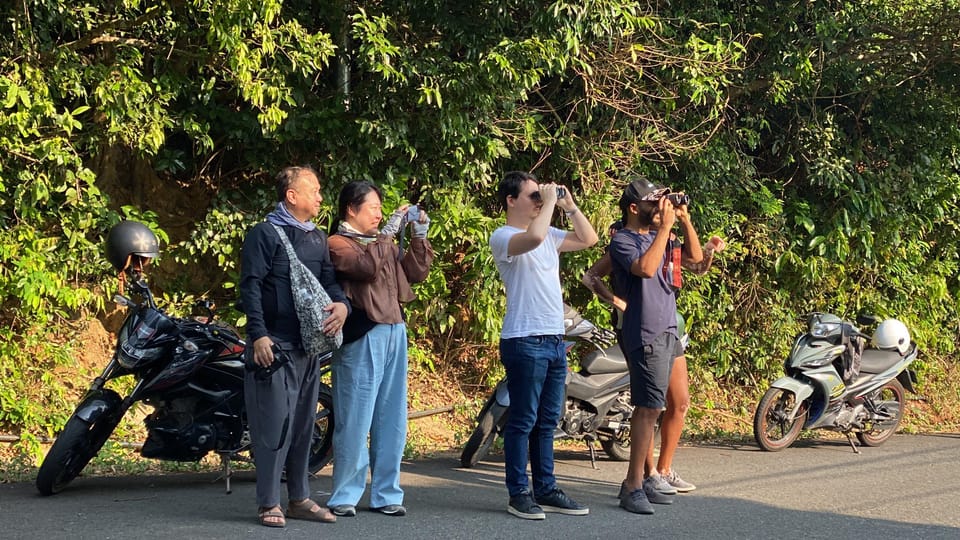
Once you’re on the trail, this safari becomes a lesson in patience. Guides scan constantly, then you stop when they find a likely area. Since binoculars are provided, you can watch extremely shy monkeys without pushing closer. You’ll also hear explanations tied to what’s visible right then—things like how to identify sex and estimate age.
If you’re lucky, you’ll see different kinds of groups: breeding-season activity with off-springs, adults, and possibly an alpha male. When sightings happen, the “moment” is short but intense: you go from guessing to confirming what you’re seeing.
Research moment: helping collect on-the-spot data
One detail that makes this tour feel more meaningful is the participation in research. You can take part in real-time data collection for the monkey you encounter. Even if you’re not a scientist, you’re doing something practical: following the guide’s prompts so the observations get recorded correctly.
Hidden scenery: Monkey Mountain and a secret beach
The trip doesn’t only revolve around primates. There’s time for you to take in hidden scenery you’d likely miss on your own—mentioned highlights include Monkey Mountain and a secret beach. This matters because it gives you a fuller return on time, especially if the monkeys are quiet that night.
How the guides increase your chances (and keep it ethical)
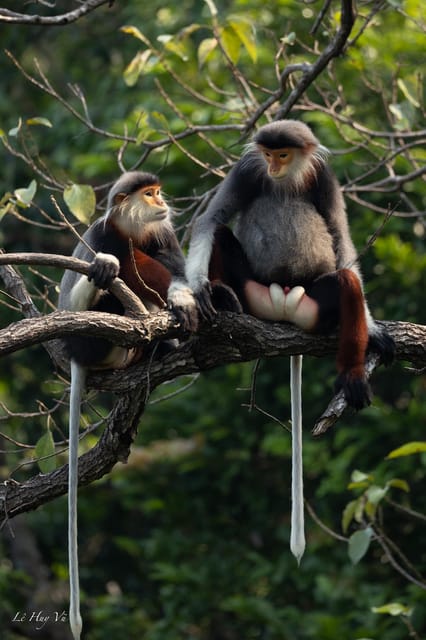
The most praised aspect across the reviews is the guide team’s ability to spot langurs fast—and do it with respect for the animals. Names that come up again and again include Brendan, Cillian, Tam, Huy, Binh, and Lillian. Different guides bring different styles, but the consistent theme is the same: they move in a way that protects the monkeys’ comfort.
That respect shows up in small, practical behaviors:
- You keep a safe distance so you’re observing, not disrupting
- Guides use binoculars and position people for viewing instead of crowding
- The group stays small, which reduces pressure on the animals and on you
This is also why you should treat the “rare monkey hunt” like wildlife watching, not a performance. The guide can’t rewrite the forest. If weather shifts or the monkeys move, your plan adjusts.
What you get: included gear, food, and that photo bonus
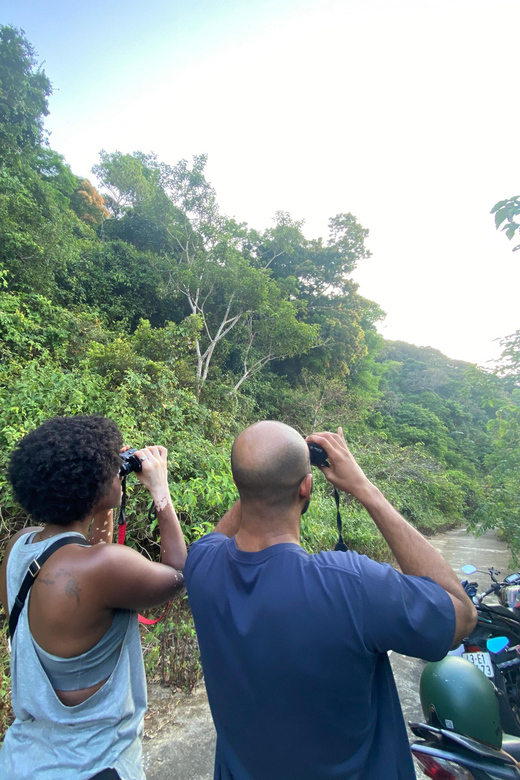
For a $48 experience, the included basics are thoughtful.
Binoculars for shy monkeys
You get binoculars specifically because these langurs can be hard to see with the naked eye. This is one of those inclusions that changes the quality of your viewing. Without them, you’d spend more time hoping you can spot something.
Water and fruit snacks
You’ll also have water and fruit snacks during the trip. Since it’s a sunset outing with riding and walking, it’s a simple comfort that prevents the “hangry and cranky” effect that can ruin a nature-focused evening.
Cameras: you bring yours, but you may not need to fight your settings
The tour notes that cameras aren’t included, but you’re encouraged to bring yours. That said, there’s another helpful part: multiple reviews say you’ll receive a link to access photos taken with professional cameras by the guides. That can be a real win for people who want clearer shots without spending the whole trip fine-tuning settings.
Price and value: is $48 worth it?
At $48 per person, this safari is priced as a niche wildlife search rather than a generic sightseeing tour. Whether it feels like value depends on what you’re after.
Here’s how I’d judge the value:
- You’re paying for specialized location access in Son Tra and for guides who can scan and interpret what you’re seeing
- You get binoculars plus a small-group format, so you’re not just paying for transportation
- You get learning time: sex/age ID guidance and data-collection participation
Two add-ons can affect total cost:
- During Lunar New Year holiday (Jan 28 to Feb 1, 2025), there’s a 300,000 VND service charge on the spot
- If you’re between 85 kg to 100 kg, there’s an extra 250,000 VND, and they prepare a more powerful bike for the hill
And an important reality check: the tour can’t guarantee you’ll see the monkeys. If you’re the type who needs certainty, this won’t satisfy you every time. If you’re the type who enjoys the hunt, the forest, and the learning, the odds feel more worthwhile.
Who this safari fits best (and who should skip it)
This isn’t a kids’ activity and it’s not a big-bus crowd situation.
It’s listed as:
- Not suitable for children under 5
- Not suitable for people over 220 lbs (100 kg)
- Alcohol and drugs aren’t allowed
- Light travel is important because there’s no space for backpack or luggage
- Group size is small (max 5)
So who should book?
- Adults or young-at-heart travelers who like wildlife watching and don’t mind that nature sets the schedule
- People who want more than “see an animal” and actually want to learn how to read primate behavior
- Anyone comfortable riding on a motorbike and following the guide’s pace
Who should hesitate?
- If you need a guaranteed rare-animal sighting, or if you’re uncomfortable with motorbike travel, the uncertainty may frustrate you.
Practical notes that affect your comfort
A few details can make or break your experience.
Light travel matters
The tour says to travel light with no space for luggage/backpacks. If you’re carrying a big day bag, you’ll likely regret it.
Weather and luck are real variables
The operator clearly warns you that seeing monkeys—or seeing the rare ones—depends on weather, monkey behavior, and luck. That affects planning. I’d treat this as a “flexible” evening, not something you schedule as your one and only nature outing on a fixed itinerary day.
Safety and respect are part of the show (not an afterthought)
Given the reviews, the consistent emphasis is on safety and keeping a comfortable distance. That’s why a small group works here: it reduces stress on the monkeys and makes the guide’s job easier.
Should you book this Red-shanked Douc Langur safari?
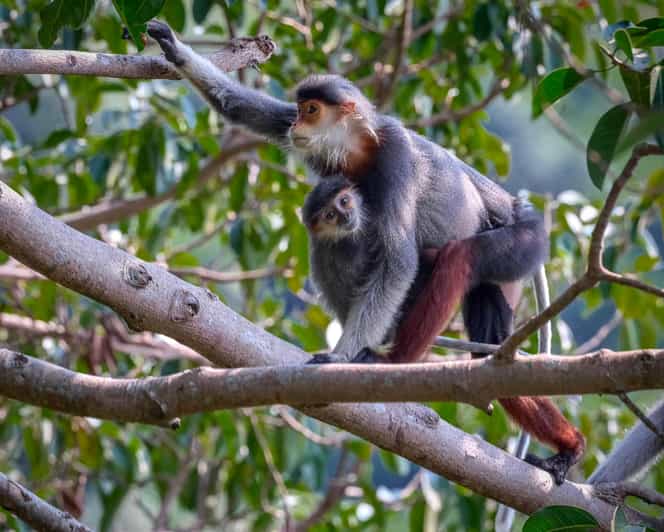
I think you should book it if you match the vibe: you enjoy wildlife watching, you like small groups, and you’re open to the fact that the forest doesn’t always cooperate on demand. The combination of binocular viewing, learning how to identify sex and age, and the added context from guided spotting makes the experience feel like more than a simple excursion.
Skip it or go in with lowered expectations if you need guaranteed sightings. Even with excellent guiding—like the teams led by Cillian, Brendan, Tam, and others you may be assigned—the monkeys are wild. You’re here for the chance, the search, and the lessons that happen when the langurs decide to show themselves.
If you want, tell me your travel month and whether you’re coming from Hoi An or staying in central Da Nang, and I’ll help you decide if this timing fits your schedule.
FAQ
How long is the safari?
The duration is listed as 2.5 hours (check available starting times).
Where do I meet for the tour?
You meet in front of Esco Beach Bar in Da Nang, and the activity ends back at the same meeting point.
Is it guaranteed that we will see the monkeys?
No. The tour notes that they cannot guarantee seeing monkeys or rare ones every time. Weather, monkey behavior, and luck all play a role.
What’s included in the price?
Binoculars for viewing the shy monkeys are included, plus water and fruit snacks. You also travel by motorbike, with your guide acting as your private driver.
Are cameras and photo gear included?
No. Cameras are not included, and the tour suggests you can bring your own. Reviews also mention you may receive a link to access photos taken by the guides.
Are there any extra charges I should know about?
Yes. During Lunar New Year holiday (Jan 28 to Feb 1, 2025) there is a 300,000 VND service charge paid on the spot. Guests weighing 85 kg to 100 kg pay 250,000 VND extra; people over 100 kg (220 lbs) are listed as not suitable.