REVIEW · DA NANG
Da Nang: Full-day My Son Sanctuary And Hoi An Heritage Tour
Book on GetYourGuide →Operated by Hoi An Express · Bookable on GetYourGuide
A lost Champa kingdom in one full day. This tour strings together UNESCO-listed My Son Sanctuary with a carefully paced walk through Hoi An’s historic core, so you get culture, architecture, and scenery without having to plan two separate trips. I like that you’re guided through My Son’s story in a way that makes those red-brick towers feel less like ruins and more like a living place of worship.
I also like the Hoi An portion on foot, with stops tied to how the town grew as a seaport and where different communities left their mark. One thing to consider: it’s a long day (about 9.5 hours) with multiple walking segments, so comfortable shoes matter.
In This Review
- Key Highlights to Look For
- From Da Nang Pickup to a Full-Day Route
- My Son Sanctuary: Champa Towers, Mountain Views, and UNESCO Context
- Lunch in Hoi An Area: Refuel Without Losing the Timeline
- Hoi An on Foot: Market Energy, Lotus Pagoda Calm, and Chinese-Influenced Stops
- Tan Ky’s Old House and the Japanese Covered Bridge
- Sông Hoài Square: Closing the Loop on Hoi An’s Seaport Life
- Guides Can Make or Break the Day
- Price and Value: What $67 Buys in Central Vietnam
- Timing Tips: How to Stay Comfortable for 9.5 Hours
- Who This Tour Fits Best (And Who Might Prefer a Different Plan)
- Should You Book the Da Nang: My Son and Hoi An Tour?
- FAQ
- How long is the tour?
- Is hotel pickup included?
- What’s included in the $67 per person price?
- Is lunch included?
- Are children allowed?
- Can I cancel for a full refund?
Key Highlights to Look For
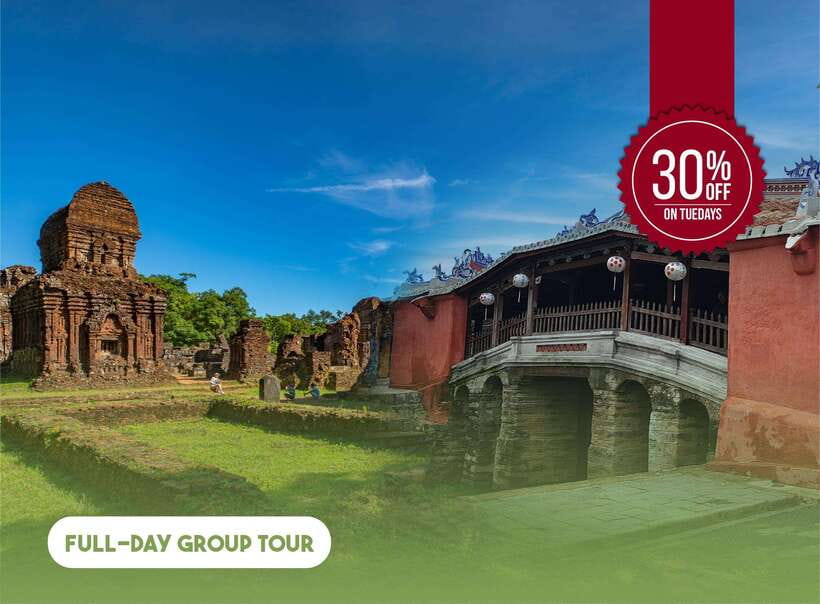
- My Son’s red-brick towers in a mountain valley: the setting is part of the experience, not just the backdrop
- A guided pace that still leaves time to explore at each major stop
- Hoi An on foot: markets, pagodas, old houses, and the bridge, all in one route
- Cross-cultural architecture: France, Japan, China, and Vietnam show up in what you see
- A traditional dance show stop that breaks up the walking with something memorable
From Da Nang Pickup to a Full-Day Route
This is the kind of day trip that starts with convenience. You get hotel pickup and drop-off from Da Nang city center, with the exception of the Son Tra Peninsula, and you should be ready about 15 minutes before pickup.
The itinerary is built to keep you moving efficiently: My Son first, then lunch, then Hoi An on foot. That order matters. My Son’s ruins sit in a green valley, and you’ll have the most energy for the walking before Hoi An crowds and heat add up.
Group size can affect how quickly you move, but you’ll generally spend enough time at the stops to actually look, not just point. The guides I’ve seen for this tour are the type who explain what you’re standing in front of, not just recite names and numbers.
You can also read our reviews of more historical tours in Da Nang



My Son Sanctuary: Champa Towers, Mountain Views, and UNESCO Context
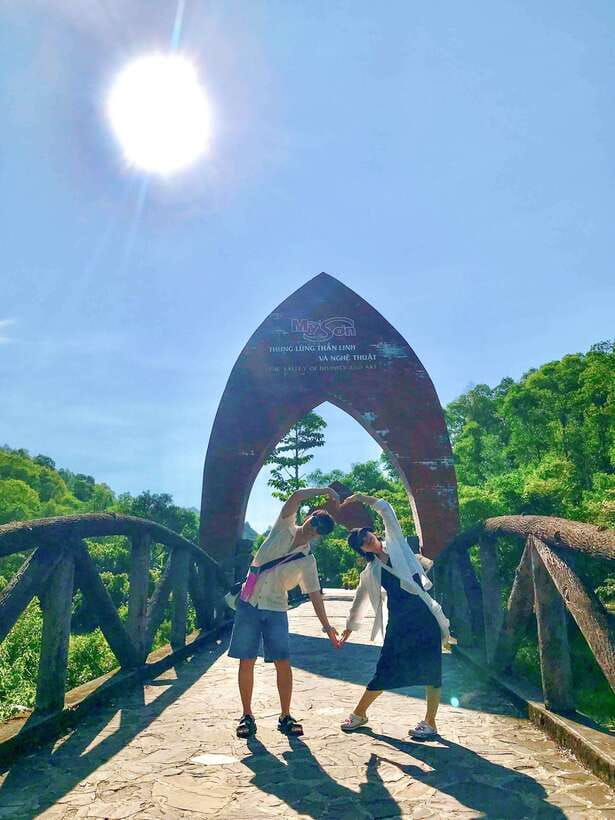
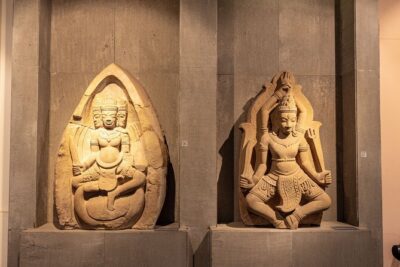
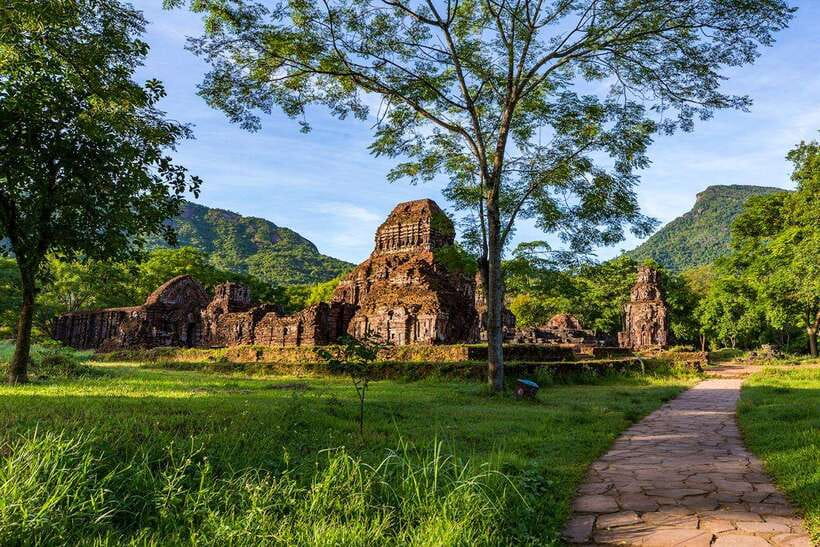
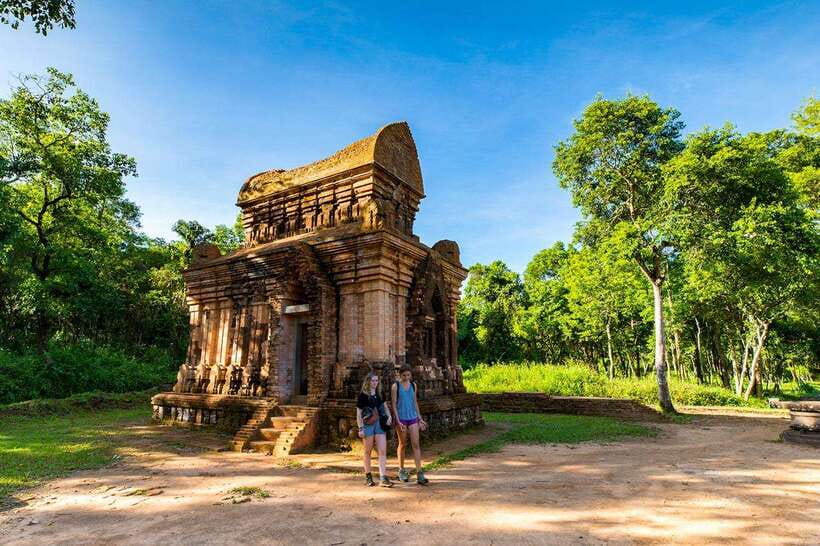
My Son Sanctuary is the big reason this tour works. It’s the capital and religious center of the former Champa Kingdom, a UNESCO World Heritage Site, tucked into a lush valley surrounded by tall hills. You’ll see dozens of red brick towers and sanctuaries, with the most notable structures spanning roughly from the 7th to the 13th century.
What makes My Son satisfying isn’t just the age. The site is arranged so that you feel the layout of a spiritual center—space, pathways, and grouped structures. Your guide will connect what you see to Champa life and worship, which is the difference between collecting photos and understanding why the place looks the way it does.
You’ll also notice the reality of weather and time. Brick ages, details fade, and some areas can be uneven. That’s not a downside; it helps you read the site honestly. If you’re the type who likes to slow down and look at carved details, bring the right mindset: expect partial restoration and worn edges, not museum-perfect surfaces.
Practical tip: plan on some walking and sun exposure. Even on a comfortable day, you’ll want water (this tour includes bottled drinking water) and something for shade, especially before the light shifts toward midday.
Lunch in Hoi An Area: Refuel Without Losing the Timeline

After My Son, you’ll get lunch at a local restaurant in Hoi An. You have about an hour, which is usually enough time to eat without feeling rushed like a bus tour. The key here is simple: you’re not ordering blindly from a menu and hoping it works out—you’re eating with a tour schedule in mind.
This matters because Hoi An is the part of the day where you’ll be walking through multiple stops—market areas, pagodas, museums, old houses, and then the famous bridge. If you skip a solid lunch, the rest of the afternoon starts to feel like endurance.
If you have dietary needs, it’s smart to mention them in advance when booking. The tour data doesn’t spell out dietary customization, so don’t assume vegetarian, gluten-free, or spice-level preferences will be handled automatically.
Hoi An on Foot: Market Energy, Lotus Pagoda Calm, and Chinese-Influenced Stops
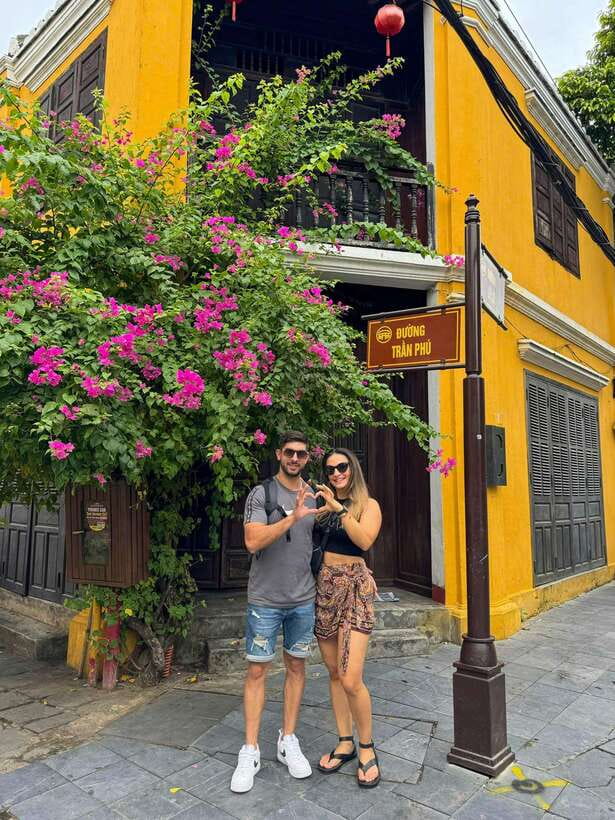
Once you land in Hoi An proper, the tour shifts to “look-and-walk” mode. You’ll spend time in Hoi An’s Market area for around 35 minutes, which is a useful hit because it gives you local daily life alongside the historic sites. It’s also a good way to reset your brain after My Son’s ruins and greenery.
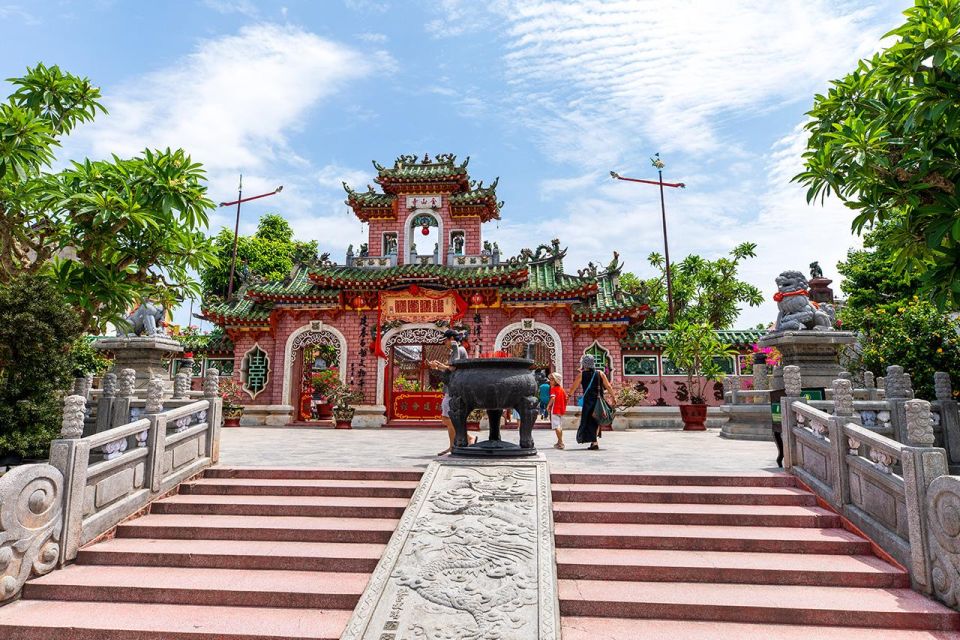
Then comes the Lotus Pagoda stop (about 20 minutes). Pagodas are never just pretty buildings; they’re visual shortcuts into local religious traditions and the way spiritual spaces sit inside everyday city life. Even if you don’t read every sign, the atmosphere and the layout do the work for you.
Next, you’ll visit 66 Bạch Đằng, with a guided segment plus a traditional dance show lasting about 40 minutes. This is a smart break in the schedule—something cultural you can watch while your legs rest. It’s also where you get a feeling for how performance traditions connect to regional identity, not just sightseeing.
Your Hoi An walk also includes smaller museum and architecture stops that make the city easier to understand. You’ll visit the Hoi An folk museum and spend time at one of the town’s preserved traditional homes.
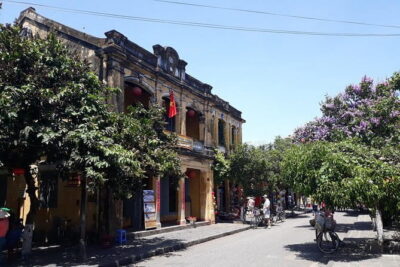
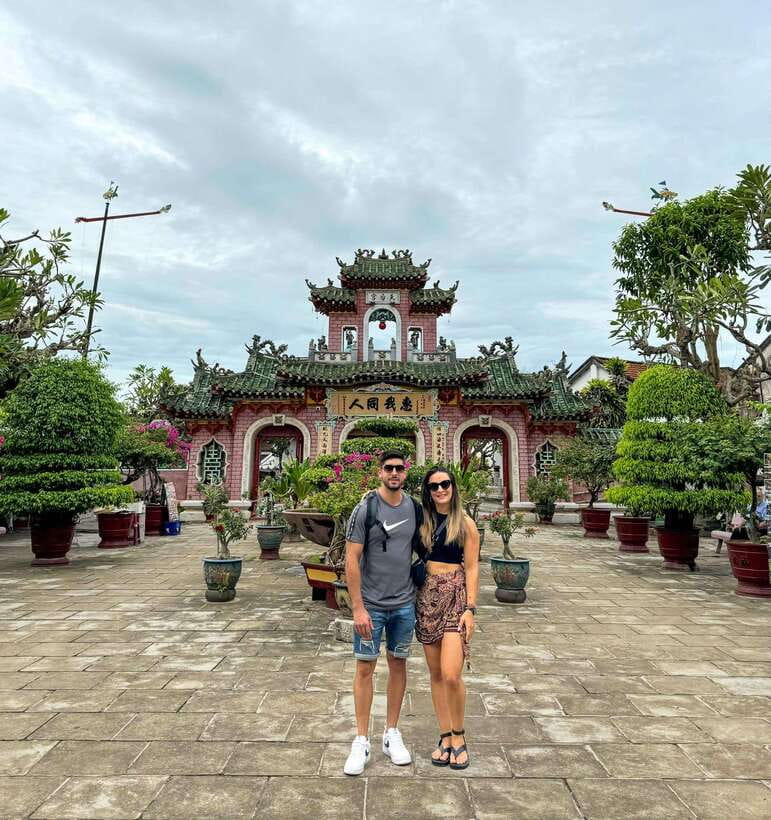
As you move through these stops, pay attention to the architecture. Hoi An grew as a seaport from roughly the 16th to 18th centuries, and the town’s buildings reflect that mix—France, Japan, China, and Vietnam all leaving their fingerprints.
Tan Ky’s Old House and the Japanese Covered Bridge
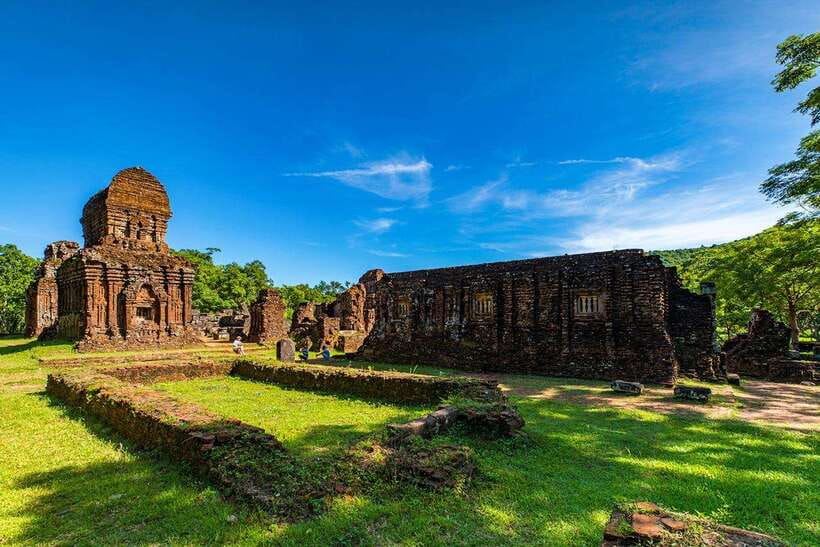
The Old House of Tan Ky is a highlight if you like architecture that tells a story. You’ll have about 20 minutes there with a guided explanation. This type of ancient house helps you see how merchants and families lived—how rooms, passageways, and storefront styles blended together.
After that, you’ll have a quick café stop for local snacks (about 10 minutes). It’s not a full meal, but it’s useful for staying comfortable. Hoi An’s old streets can make you forget how quickly you’re burning energy, especially if you’ve been walking since the morning.
Then you get the iconic Japanese Covered Bridge. You’ll spend about 15 minutes at the bridge area with guidance. It’s the most photographed spot for a reason: it looks instantly recognizable, and the surrounding streets make it feel like part of a living neighborhood rather than a standalone landmark.
Photo tip that won’t ruin your day: don’t chase the perfect shot from the first second you arrive. Walk a few steps around the area first. You’ll often find better angles from the edges once you know the flow of foot traffic.
You can also read our reviews of more tours and experiences in Da Nang





Sông Hoài Square: Closing the Loop on Hoi An’s Seaport Life
As the day winds down, you’ll finish with Sông Hoài Square (about 15 minutes). This is a good wrap-up stop because it shifts you from individual buildings and small interiors to the bigger idea of the city’s riverside presence.
By this point, the architecture themes click into place. Hoi An isn’t just old because it’s old. It’s old because trade, migration, and cultural mixing shaped the way people built and lived.
You’ll then return back to Da Nang. The schedule is designed so you don’t get stranded in Hoi An at the end of the day. One nice detail from real-world use of this tour style: if you want extra time for lantern sights, the provider has handled return transport for free in at least one instance, which tells you they’re not always rigid about last steps.
Guides Can Make or Break the Day
This is one of those tours where the guide’s tone matters a lot. The strongest moments tend to come when someone explains what you’re looking at and ties it to the larger story.
In the examples tied to this tour, guides like Emily have been described as highly knowledgeable and passionate, and Be has been praised for giving a lot of information about the archaeological site and about Hoi An itself. That kind of guidance helps you spot what’s worth staring at: structure details at My Son, and the architecture mix across Hoi An’s old streets.
A practical takeaway: if you’re the type who asks questions, this tour format is a good match. You’ll have enough guided time that questions don’t feel disruptive.
Price and Value: What $67 Buys in Central Vietnam
At $67 per person, this tour is priced like a full package, not a bare-bones sightseeing hack. You get transportation, entrance fees, lunch, bottled water, and an English-speaking guide, plus hotel pickup and drop-off from Da Nang city center. Travel insurance is also included.
Here’s the value logic I’d use: you’re paying for three expensive conveniences at once—driver logistics, guided interpretation, and entrance/lunch organization. If you tried to replicate this independently, you’d likely spend time coordinating transport between Da Nang and My Son, then again for Hoi An, while also buying tickets and negotiating where to eat lunch.
What’s not included is personal spending. So if you want souvenirs, extra drinks, or extra snacks beyond what’s planned, keep a little cash aside.
Timing Tips: How to Stay Comfortable for 9.5 Hours
This tour runs about 9.5 hours, and the stops add up quickly. That means you’ll want to treat it like a day hike plus city walk, not like a casual stroll.
I recommend:
- Wear shoes you can walk in for hours (old surfaces can be uneven)
- Bring sun protection since you’ll be outside for My Son and around town
- Use the snack and water stops to keep energy stable
- Keep your phone charged for photos, but don’t let camera time slow you down at the guided points
If you’re sensitive to crowd pressure in old-town areas, you’ll still be sharing space with other visitors. The itinerary helps because it spreads your visits across multiple stops and not just one single hotspot.
Who This Tour Fits Best (And Who Might Prefer a Different Plan)
This is a strong pick if you want a one-day route that covers two major Central Vietnam experiences without doing heavy planning. It also suits you if you like structured walking—meaning you don’t mind moving from place to place as long as someone tells you what matters.
It may be less ideal if you prefer total free time, because the schedule includes several guided stops and timed segments. You’ll likely enjoy the guidance, but you won’t have a slow, wander-only day.
One important note for families: unaccompanied minors aren’t allowed. The rules also say every child must be accompanied by an adult, and you’ll need adult tickets for any additional children.
Should You Book the Da Nang: My Son and Hoi An Tour?
If you want one day that meaningfully connects Champa ruins at My Son with Hoi An’s old-town architecture and riverfront vibe, book it. The price-to-structure ratio is solid, and the guided approach helps you understand the places you’d otherwise just photograph.
I’d especially recommend it if you’re short on time in Da Nang or you don’t want to deal with transport and ticket logistics across two different destinations. If you’re worried about walking, choose this tour anyway but go in prepared—good shoes, water, and a relaxed pace will make the whole day feel like a win instead of a grind.
If you want a strict self-guided day with maximum spontaneity, you might prefer doing My Son and Hoi An separately. But if you want “guided clarity + famous stops + lunch handled,” this tour fits the bill.
FAQ
How long is the tour?
The total duration is 9.5 hours. Starting times can vary, so you’ll want to check availability for the next departures.
Is hotel pickup included?
Yes. Hotel pickup and drop-off are included from Da Nang City Center, except the Son Tra Peninsula. Be ready about 15 minutes before your scheduled pickup time.
What’s included in the $67 per person price?
The tour includes transportation, entrance fees, lunch, bottled drinking water, an English-speaking tour guide, travel insurance, and hotel pickup/drop-off.
Is lunch included?
Yes. Lunch is included as part of the day trip at a local restaurant in Hoi An.
Are children allowed?
Unaccompanied minors are not allowed. The information also states that every child must be accompanied by an adult, and you should book adult tickets for any additional children.
Can I cancel for a full refund?
Yes. Free cancellation is available up to 24 hours in advance for a full refund.