REVIEW · DA NANG
Da Nang: Tandoori Naan Bread-Making Class
Book on GetYourGuide →Operated by RANG Danang · Bookable on GetYourGuide
Fresh naan lessons beat guessing.
In Da Nang, you learn tandoori naan from scratch at RANG, an Indian restaurant that earned a Michelin Bib Gourmand for value in 2024 and 2025. It’s a hands-on class with expert guidance, plus the fun part: watching (and learning) how naan gets baked in a tandoor style setting.
I especially like two things. First, the class is genuinely interactive, so you work the dough and season it yourself instead of just watching from the sidelines. Second, you get practical tips for making naan at home, including an oven alternative approach for when you do not have a tandoor.
One thing to consider: this is bread-focused. If you’re hoping for a long, full Indian cooking tour across many dishes, plan extra time to eat at RANG on your own.
In This Review
- Key highlights you’ll care about
- RANG, the Michelin-worthy meeting point
- How the class runs: dough work, spice, then heat
- What you learn about naan dough and spice
- The naan styles you can make: plain, garlic-butter, and stuffed
- Tandoor moments and the oven alternative for home cooking
- Tasting naan with signature dips (and a smart curry pairing)
- Price and value: why $2.60 feels unusually fair
- Who should book this Da Nang naan class
- Should you book the Tandoori Naan Bread-Making Class?
- FAQ
- How much does the Da Nang Tandoori Naan Bread-Making Class cost?
- How long is the class?
- Where is the meeting point?
- How many people are in the class?
- What languages does the instructor speak?
- Do I need prior cooking experience to join?
- What is included in the experience?
- Is alcohol allowed during the class?
- Is the class suitable for children?
Key highlights you’ll care about
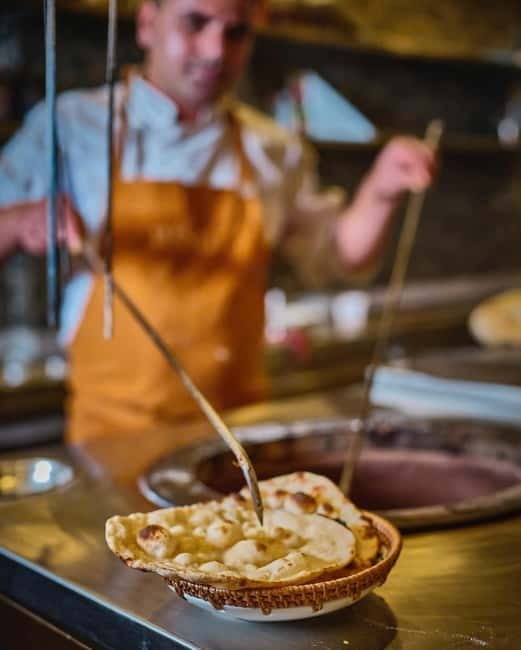
- Michelin Bib Gourmand setting at RANG in Da Nang, so the meal side of the visit has credibility
- Small group (up to 8) for more hands-on coaching and less waiting
- Tandoori-style baking with the satisfying slap-on-the-tandoor moment, plus an oven alternative plan
- Beginner-friendly instruction with support in English, Vietnamese, and Hindi
- Multiple naan styles you can make, from plain to garlic-butter and stuffed versions like paneer or keema
- Freshly baked naan + signature dips included, so you actually taste what you made
RANG, the Michelin-worthy meeting point
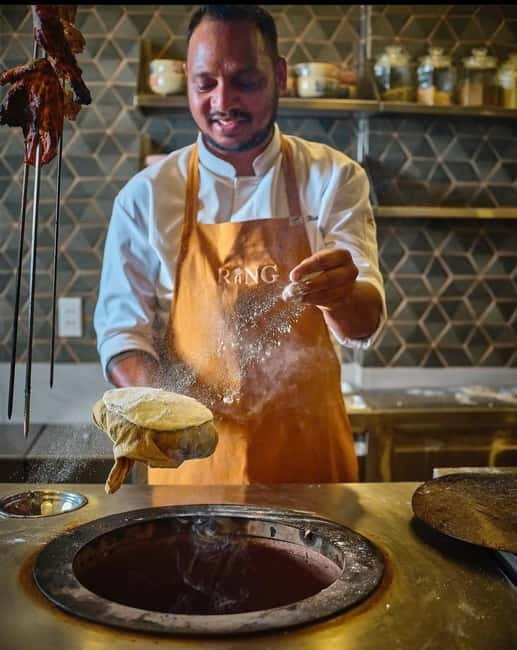
Your class starts at RANG Danang, an internationally Indian restaurant in Central Vietnam. It has a strong food-value reputation: it was recognized as a fusion Indian establishment to receive the MICHELIN Bib Gourmand award in 2024 and 2025. That matters because you’re not learning at some generic “demo kitchen.” The restaurant is built around real cooking for real diners, so the naan lesson feels connected to how Indian food is served.
You’ll also notice the setup: the naan class happens in their real kitchen while other chefs cook food for customers. In practice, that gives you a lively, working-kitchen feel. It’s also where you get that useful sense of timing and teamwork—how dough, heat, and service all work together in a busy restaurant environment.
If you’re the type who likes food that’s both practical and well-run, this is a good match. You’re learning bread craft in a place that clearly takes flavor seriously, without making it fancy or intimidating.
You can also read our reviews of more tours and experiences in Da Nang



How the class runs: dough work, spice, then heat
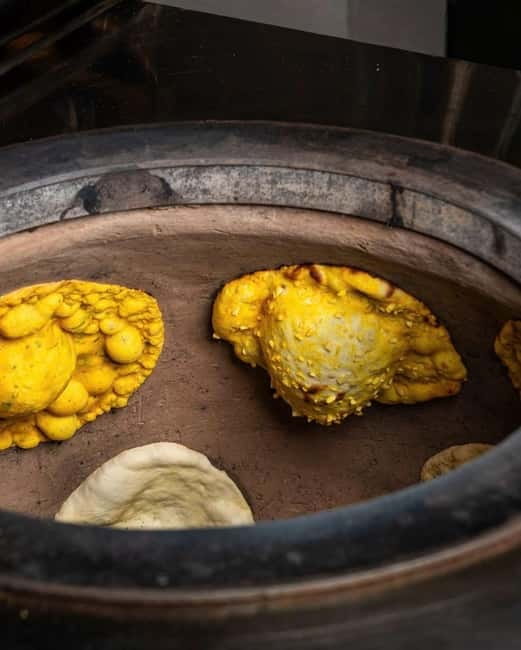
Think of the session as a straight line: knead → season → shape → bake → eat. You do not need prior experience, and the class is designed for beginners. In a small group (max 8), you’ll get direction as you go, which is the difference between a fun cooking time and a frustrating one.
The core skills you’ll practice include:
- preparing and kneading the dough
- seasoning it with authentic spices
- shaping the naan
- learning how to slap naan onto a tandoor (and what to do when you’re using an oven alternative later at home)
Even if you only remember a few steps, the goal is to leave with a repeatable process. You’re also learning the “why” behind the bread—naan is soft, fluffy, and made to hold up to curry, dips, and sauce.
Because the class is hands-on, you’ll likely get flour on your hands and a new respect for bakers. That’s not a complaint; it’s part of the fun. The best skill you can pick up is how naan dough behaves once it’s mixed and ready.
What you learn about naan dough and spice
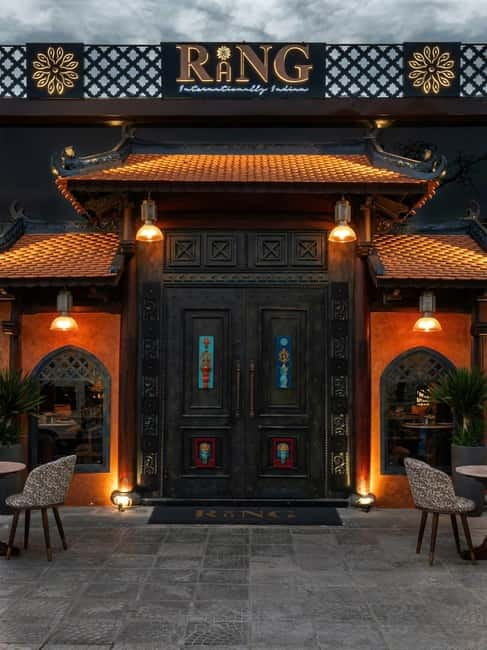
Naan is more than bread. It’s part science, part technique, part tradition. In the class, you’ll learn the history and the cooking methods that make naan the bread you want alongside curry.
From the information you’re given, you can expect two kinds of learning at the same time:
- practical bread skills (how to handle dough and season it)
- context on regional significance, including links to Punjab’s hearty meals and Delhi’s royal feasts
Why does this help you as a cook? Because it gives you a sense of balance. Soft naan needs the dough to be treated well before it hits heat. And spice seasoning is not random seasoning. It’s about building flavor that complements curry rather than competing with it.
You’ll also learn how different naan styles fit different moods of eating—plain naan for dipping, garlic or butter styles for comfort, and stuffed options when you want a bread-and-filling combo. That’s useful knowledge whether you plan to cook for family or just want to level up your weeknight curry routine.
The naan styles you can make: plain, garlic-butter, and stuffed
One of the most satisfying parts of this class is variety. You’re not limited to a single flatbread. The experience includes making classic plain naan and variations like:
- garlic naan
- butter naan
- stuffed naan options such as paneer or keema
These variations matter because they teach you how naan adapts. Plain naan is your baseline. Garlic-butter teaches you about richer toppings and flavor timing. Stuffed naan adds a completely different challenge: making sure filling stays sealed and the bread bakes properly.
In the kitchen, it also means you get more chances to see the dough go from raw to baked. That helps your brain “map” the process. You’re not just following instructions for one outcome; you’re practicing bread technique across multiple finished styles.
And because you finish with tasting, you’ll be able to compare what you made. That quick comparison is one of the best ways to understand what to repeat and what to tweak at home.
Tandoor moments and the oven alternative for home cooking
The headline experience is the thrill of slapping naan onto a tandoor. There’s a very specific energy to working with bread this close to heat, and this class is built around that. You learn the technique in a beginner-friendly way, so you don’t need prior skills to try.
But the class doesn’t stop at the restaurant miracle. You’ll get tips for recreating naan-quality results at home, specifically including how to approach it without a tandoor. That’s key for real value. Lots of classes teach a method you can’t repeat. This one explicitly aims to help you cook naan again when you’re back in your own kitchen.
In the restaurant, naan is baked fresh, and the experience is described as coming out of a charcoal-fired tandoori setup. That fresh, hot difference is exactly why you taste a big upgrade compared with naan you might buy elsewhere.
For home, your advantage is this: you’re not just learning a recipe. You’re learning the technique framework (dough handling plus heat approach). That makes your future cooking less guesswork and more controlled.






Tasting naan with signature dips (and a smart curry pairing)
After baking, you get to enjoy freshly baked naan tasting with signature dips included. It’s a simple finish, but it’s also how you build confidence. When you taste what you made right after it comes out, you understand what “good” feels like—soft, fluffy texture, and that classic naan flavor that holds up to dips and curry.
If you want to turn this into a full meal, RANG is the place to do it. One practical tip: pair your naan with a curry you like, then use the naan for dipping and scooping. A lamb curry pairing came up in the experience details, and it’s a natural match for the bread styles you’ll learn.
This matters for your planning. The class gives you the bread. The restaurant gives you the curry atmosphere and ordering options. So you can make it feel like a complete lunch or dinner, not just a standalone activity.
Also, you’re not stuck with a single flavor. The dips plus the different naan styles help you compare what you baked—plain versus garlic-butter versus stuffed—so you’ll remember what you enjoyed most.
Price and value: why $2.60 feels unusually fair
The price is listed as $2.60 per person for a 1-day class. Even if your expectations start skeptical, the value logic here is strong. You’re paying for:
- hands-on instruction (not just watching)
- expert chef guidance
- baking fresh naan you make yourself
- tasting with signature dips
- a small group limit (up to 8), which typically means more attention per person
It also helps that the class is tied to a restaurant with Michelin Bib Gourmand recognition for value. In other words, you’re not getting a “cheap gimmick.” You’re getting a low-cost way to learn bread craft inside a real Indian kitchen setting.
One more value point: the class offers both the tandoor technique and an oven alternative. That extra layer turns the activity into a transferable skill, which is what makes it worth repeating at home.
And yes, in a good classroom you’ll want to learn names and ask questions. You may even meet staff like Chef Manku and server Amit, whose warmth and professionalism were highlighted in the experience—because good cooking classes are as much about people as they are about dough.
Who should book this Da Nang naan class
Book it if you want an activity that’s food-first and beginner-friendly. The class is explicitly described as no prior experience needed, and the instructor support spans English, Vietnamese, and Hindi, which makes it easier to follow instructions without stress.
It’s also ideal for you if:
- you enjoy hands-on cooking over passive tours
- you want bread skills you can actually repeat at home
- you’re curious about how Indian bread connects to curry meals (not just the final food)
Skip it if you need a kid-friendly class: it’s not suitable for children under 7. Also note that alcohol and drugs are not allowed, so keep the focus on the cooking experience.
Finally, if you hate mess or rapid-fire kitchen work, you might feel out of place in a hands-on dough setting. But if you like tactile learning, this is the kind of class that turns “I can eat naan anywhere” into “I can make it myself.”
Should you book the Tandoori Naan Bread-Making Class?
Yes, if your priority is a practical food skill with a fun kitchen moment. The combo of small-group coaching, fresh naan tasting, and home cooking tips makes it easy to justify the time—even if you’re traveling on a tight schedule.
I’d especially book it if you’re in Da Nang and you want something more memorable than another restaurant meal. This gives you the taste of the final product, plus the method to chase it again later.
One smart move: plan your curry meal around your naan results. After class, eat at RANG and use your bread with dips and curries. That turns the lesson into a full-on lunch you’ll actually remember.
FAQ
How much does the Da Nang Tandoori Naan Bread-Making Class cost?
The price is listed as $2.60 per person.
How long is the class?
The experience is listed as lasting 1 day. Starting times depend on availability.
Where is the meeting point?
The meeting point is RANG, an Internationally Indian restaurant in Da Nang, Vietnam.
How many people are in the class?
It’s a small group limited to 8 participants.
What languages does the instructor speak?
The instructor speaks English, Vietnamese, and Hindi.
Do I need prior cooking experience to join?
No prior experience is needed. It’s designed to be beginner-friendly.
What is included in the experience?
You get the Tandoori Naan bread-making class, hands-on experience, expert chef guidance, freshly baked naan tasting, and signature dips.
Is alcohol allowed during the class?
No. Alcohol is not allowed.
Is the class suitable for children?
No. It is not suitable for children under 7 years old.