REVIEW · DA NANG
Da Nang Cooking Class with Coffee Tasting and Market Visit
Book on Viator →Operated by Jolie Danang Cooking Class · Bookable on Viator
Coffee and market smells beat any cookbook. This Da Nang small-group cooking class blends Vietnamese coffee tasting with a real market run and a hands-on lesson, not just a meal on a plate. One thing to watch: hotel pickup and drop-off are not listed as included, so plan to start at the Trần Quốc Toản meeting point.
I like that the whole experience is built around learning from people who actually cook at home. You’ll be with an English-speaking host (names you might meet include Rosie or Lan), and the class is capped at 10 people so you get guidance while you chop, stir, and taste.
In This Review
- Market Visit at Trần Quốc Toản: Ingredients You Can Actually Find Again
- Vietnamese Coffee Tasting: Brewing Methods and Flavor Notes
- Cooking at a Local Family Home: More Hands-On Than Performative
- Your Lunch: Eat What You Cook, Family-Style
- Price and Value at $45: What You’re Really Paying For
- Timing, Group Size, and Getting There Without Stress
- What You’ll Learn: Techniques, Not Just Recipes
- Who Should Book This Da Nang Cooking Class
- Should You Book Jolie Danang Cooking Class?
- FAQ
- How long is the Da Nang cooking class?
- Where is the meeting point?
- What’s included in the price?
- Is hotel pickup and drop-off included?
- How many dishes will we cook?
- Do they offer vegetarian options?
- Is there an English-speaking guide?
- How big is the group?
- Do I need a minimum number of people to run the tour?
- FAQ
- What happens if the weather is bad?
Market Visit at Trần Quốc Toản: Ingredients You Can Actually Find Again
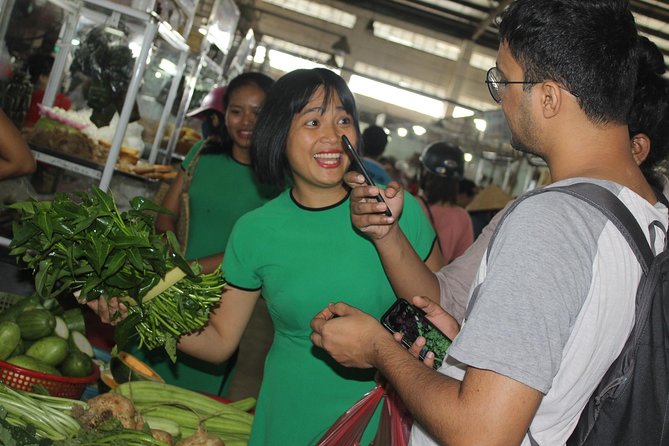
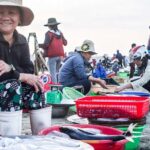
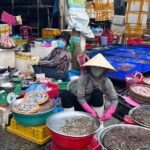
The class starts with a market-focused mindset: you learn what Vietnamese families pick up for day-to-day cooking, not just how to cook dishes once you’re in a kitchen. In practice, that means you’ll shop for fresh, seasonal ingredients and see how everyday produce and pantry items fit into the dishes you’ll make later.
I find this part matters because it changes how you cook at home. Instead of guessing what to buy, you get a clearer idea of what names mean at the market and what the ingredient should look like when it’s ready to use. Even if you’re not hunting Vietnamese groceries after your trip, you’ll be better at choosing substitutes because you’ll understand the role each ingredient plays.
You also get the chance to ask questions while shopping. That’s where you can pick up the practical stuff: what’s worth buying fresh, what’s used for flavor, and what can be prepped ahead if you’re cooking on a schedule back home.
Vietnamese Coffee Tasting: Brewing Methods and Flavor Notes
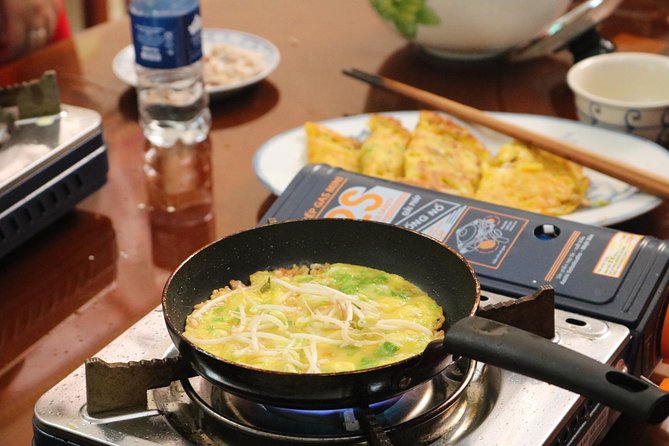
Before the cooking begins, you’ll meet at a local coffee stop for a Vietnamese coffee tasting and a quick education on traditional brewing methods. This isn’t just sip-and-smile coffee trivia. You learn the way the drink is made and why Vietnamese coffee tastes the way it does.
If you like coffee, this is a great warm-up. Some of the hosts you might meet have shared insights into coffee production and how the process affects flavor. A couple of reviews also mention the fun of practicing Vietnamese phrases with the host at the coffee shop, which turns the tasting into a more social, confidence-building start.
Here’s a practical tip for you: pay attention to sweetness and texture while you’re tasting. Vietnamese coffee is often served in a way that can feel different from what you’re used to, and knowing what you like makes the rest of the class easier to enjoy. If you end up with a favorite method or style, you’ll have a reference point when you’re recreating the drinks later.
You can also read our reviews of more food & drink experiences in Da Nang
Cooking at a Local Family Home: More Hands-On Than Performative
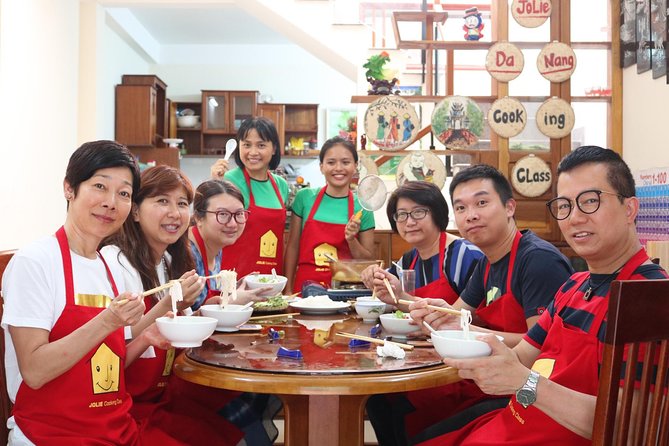
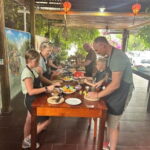
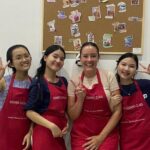
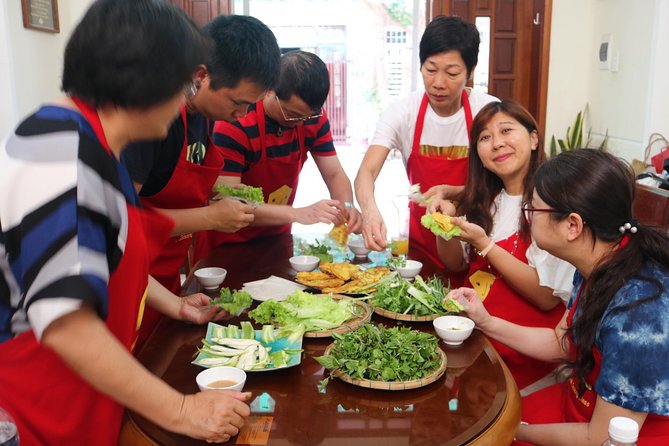
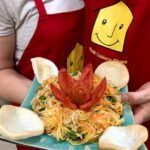
After the market, the experience shifts to a local family home for the hands-on cooking class. This is where the format earns its keep: you’re not watching someone else cook while you hold a fork. You’ll prepare at least four traditional Vietnamese dishes, with guidance as you go.
What stands out to me is the balance between structure and freedom. The class has a clear flow—tasting, shopping, then cooking—but you still get to work through the steps yourself. That makes it much more likely you’ll remember what to do after you return home, because your hands learned the technique, not just your brain.
Based on the feedback, the kitchen setup tends to be organized and clean, and the hosts keep the atmosphere comfortable and welcoming. Reviews mention the food being simple to make, yet still delicious—often the best kind of cooking lesson, because it lets you feel capable rather than overwhelmed.
And yes, there’s usually room for a little humor while you cook. Several people highlight that the hosts bring playful energy during the class, so the time doesn’t feel like a school lesson. You’ll still do real work—chopping, mixing, shaping—but it won’t be stiff.
Your Lunch: Eat What You Cook, Family-Style
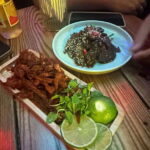
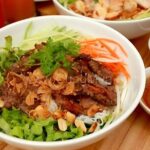
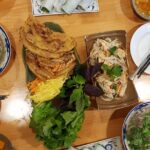
At the end, you’ll sit down and enjoy the meal you helped make in a warm, family-style setting. This is one of the best parts of cooking classes, because the lunch is the payoff for all your effort—ingredients you picked out, techniques you practiced, and dishes that finally hit the table.
It also helps you judge the cooking by taste, not by instructions. If a dish needs a little more balance—more salt, more herbs, more heat—you’ll have immediate feedback during the meal. That makes the lesson stick for future cooking.
One practical advantage: because you’ll eat the same dishes you cooked, you can ask questions while you’re still in the food mindset. If you enjoyed a particular element, this is your chance to ask how the host handles it, what to swap, or what changes depending on the ingredient season.
Price and Value at $45: What You’re Really Paying For
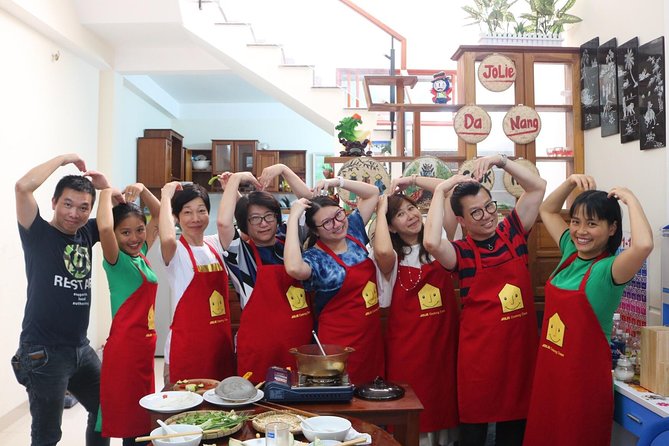
At $45 per person for about 3 hours 30 minutes, this class looks like good value once you consider what’s actually included. You’re paying for four key things bundled together:
- A local market visit for fresh ingredients
- A Vietnamese coffee tasting with brewing context
- A hands-on cooking class for at least four traditional dishes
- Ingredients, equipment, and the meal you eat
That’s a lot more than a typical “just cook one dish” workshop. The market and coffee parts add real cultural texture, and the fact that you’re cooking multiple dishes changes the cost-benefit math.
The small group size (max 10 people) also affects value. With a bigger class, hands-on time can get diluted. Here, you’re more likely to get attention while you cook, which means fewer guessing moments and a better learning experience.
If you’re comparing options in Da Nang, I’d treat this as a half-day food lesson rather than a quick snack tour. You should leave full, informed, and with techniques you can repeat.
Timing, Group Size, and Getting There Without Stress
The tour runs around 3 hours 30 minutes, so it fits nicely into a morning or early afternoon without eating your whole day. You’ll also have a mobile ticket, and you’ll confirm details at booking.
The meeting point is clearly set: 10 Trần Quốc Toản, Hải Châu, Đà Nẵng 550000, Vietnam. The experience ends back at the meeting point, and the activity is listed as near public transportation. So, plan to handle your own start and end around that area.
Because hotel pickup and drop-off are not listed as included, I’d recommend you double-check what’s offered for your specific hotel when you book. If you’re staying far from the meeting point, it could be worth mapping your route early so you’re not rushing.
Two other quick notes:
- English speaking guide: this matters because the class is also about learning how and why, not just following steps.
- Vegetarian options: available if you advise at booking, so you can still get a meaningful cooking experience without compromising your diet.
And because the experience requires good weather, you should be ready for a reschedule if conditions are poor.
You can also read our reviews of more shopping tours in Da Nang

What You’ll Learn: Techniques, Not Just Recipes
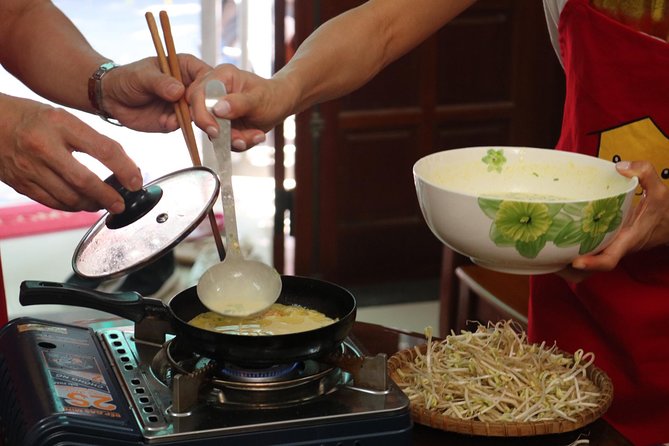
The most useful cooking class lessons aren’t only the dish names. They’re the small decisions: ingredient roles, seasoning balance, and how to build flavor in a Vietnamese kitchen.
This class is built around that learning style. The host guides you through preparing at least four dishes, and you pick up tips and techniques designed to help you recreate the food later. In other words, you’re not just collecting recipes. You’re learning a method.
That matters if you cook at home and want results that taste like Vietnam, not like a vague approximation. Once you understand what each ingredient is doing, you can adjust for your local grocery store. Even if you can’t find the exact same items, you can still recreate the flavor structure.
Who Should Book This Da Nang Cooking Class
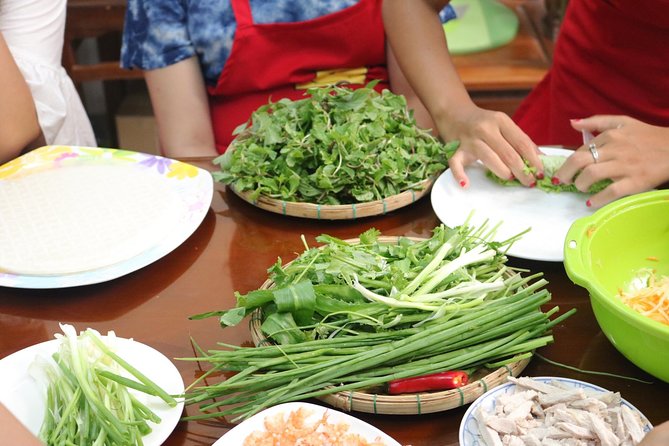
This experience is a strong fit if you:
- Want a practical cooking lesson with real ingredients from a local market
- Like coffee and want to understand Vietnamese brewing style
- Prefer small groups and hands-on guidance
- Want to eat a meal that you helped prepare
It might be less ideal if you only want a passive food experience. This class asks you to cook and participate, and that’s the point. If you’re hoping for a hands-off tasting where you mostly watch, you may find it too active.
It also isn’t the best pick if you require guaranteed hotel pickup. With the meeting point set at 10 Trần Quốc Toản and hotel pickup not listed as included, you’ll likely need to get yourself there.
Should You Book Jolie Danang Cooking Class?
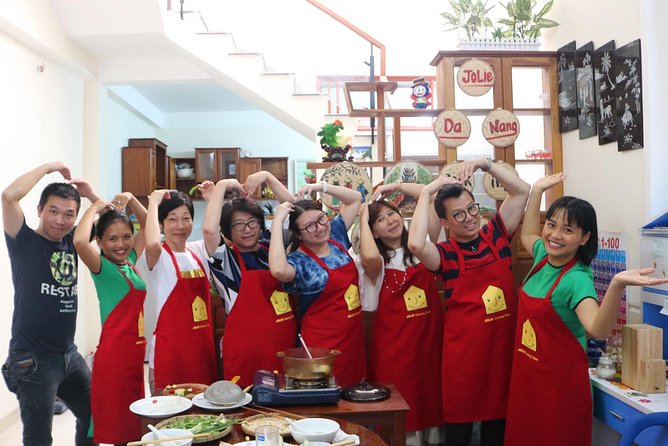
Yes, I think you should book it if you’re coming to Da Nang for food you can learn from. The combination of market shopping, Vietnamese coffee tasting, and cooking at a local family home is a smart way to spend half a day. You leave with full stomach satisfaction and a clearer sense of how to cook Vietnamese dishes back home.
Book it especially if you value small-group attention. Capped at 10 people, it’s the kind of class where you can ask questions and actually get help while you’re cooking.
If you’re unsure, pick the simplest factor: can you comfortably reach the meeting point near Trần Quốc Toản? If yes, this is an easy food-focused choice in Da Nang.
FAQ
How long is the Da Nang cooking class?
The experience lasts about 3 hours 30 minutes.
Where is the meeting point?
You meet at 10 Trần Quốc Toản, Hải Châu, Đà Nẵng 550000, Vietnam, and the tour ends back at the meeting point.
What’s included in the price?
The tour includes a local market visit, Vietnamese coffee tasting, a hands-on cooking class at a local family home, and ingredients, equipment, and the meal.
Is hotel pickup and drop-off included?
Hotel pickup and drop-off are not listed as included. The meeting point is provided, and the tour ends back at that point.
How many dishes will we cook?
You’ll prepare at least four traditional Vietnamese dishes.
Do they offer vegetarian options?
Yes. Vegetarian options are available if you advise at the time of booking.
Is there an English-speaking guide?
Yes, the guide is listed as English speaking.
How big is the group?
The experience is limited to a maximum of 10 travelers.
Do I need a minimum number of people to run the tour?
Yes. A minimum of 2 people per booking is required.
FAQ
What happens if the weather is bad?
The experience requires good weather. If it’s canceled due to poor weather, you’ll be offered a different date or a full refund.