REVIEW · DA NANG
Half-day Da Nang Cultural And Historical Tour
Book on GetYourGuide →Operated by Hoi An Express · Bookable on GetYourGuide
Bridges and museums in one tight loop. In just 4 hours, you get a clean storyline for Da Nang, starting with the Ho Chi Minh Museum replica with its gardens and fishpond vibe, then swinging to the Cham Museum with nearly 300 sculptures from the 7th to 15th centuries. It’s a fast mash-up of Vietnam’s layered past and the city’s modern, photo-friendly sides.
I like that the tour doesn’t treat museums as dusty boxes—it pairs them with stops like Dragon Bridge and the Love Lock Bridge so you can connect what you’re learning to what you’re seeing outside. One possible drawback: the schedule is brisk, so the guided time is fixed and you’ll likely need to choose what to linger on if you love slow, long museum wandering.
In This Review
- Key takeaways before you go
- Why Da Nang’s museums and bridges work in 4 hours
- Hotel pickup in Da Nang City Center: the easiest way to start
- Ho Chi Minh Museum replica: gardens, fishpond, stilt house, relics
- Museum of the Fifth Military Zone: aircraft and tanks with context
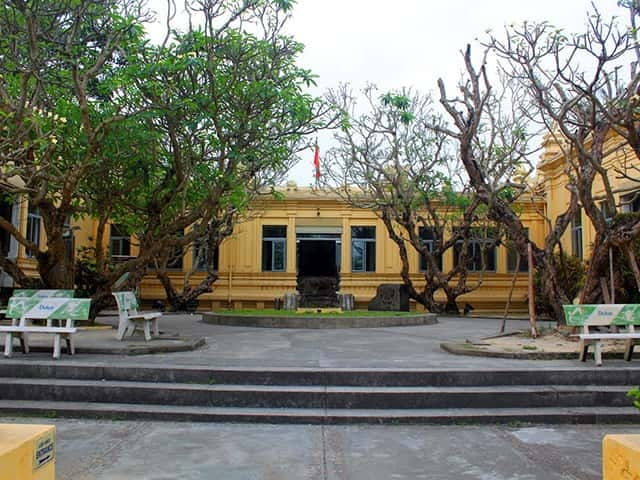
- Cham Museum’s nearly 300 sculptures (7th–15th century): why it matters
- Dragon Bridge and the Love Lock Bridge: modern icons with postcard control
- Thuận Phước Bridge and Tien Sa Port: the photo stop that closes the loop
- How much the guide changes the experience (and why Phan stands out)
- Price and what you actually get for $39
- Who should book this tour (and who might skip it)
- Should you book Half-day Da Nang Cultural and Historical Tour?
- FAQ
- FAQ
- What sites does the tour visit?
- How long is the tour?
- Is hotel pickup included?
- What language is the guide?
- Does this tour include museum entrance fees?
- Is bottled water included?
- What is the approximate time at each main stop?
- Is the tour wheelchair accessible?
- Are unaccompanied minors allowed?
- What about tickets for children?
- Is travel insurance included?
Key takeaways before you go
- A clear history-to-modern-city route: museum stops first, then bridges and statues for context and photos.
- Cham Museum is the star: nearly 300 terracotta and stone works, centered on the Champa civilization.
- War history with real artifacts: aircraft and tanks tied to the French and American wars are part of the story.
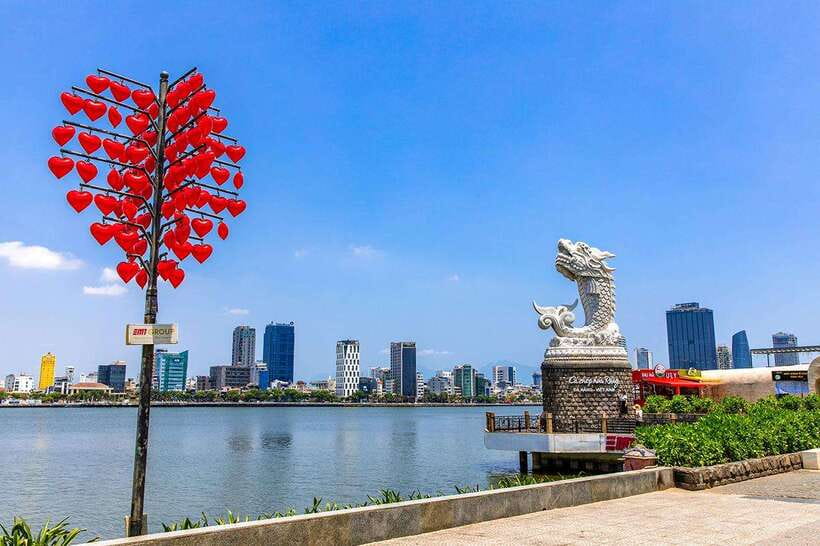
- You’ll see Da Nang’s signature bridges: Dragon Bridge plus the Love Lock Bridge and nearby photo moments.
- Fixed timing means a focused visit: plan for a guided overview, not an all-day deep crawl.
Why Da Nang’s museums and bridges work in 4 hours
Da Nang is often sold as beach time and big views, but this tour reframes the city. You’ll get a story arc: political symbolism and preservation at the start, then military history, then Champa culture, and finally modern landmarks you can actually recognize on a map.
This is the kind of half-day tour that works when you want bearings fast. If you’re only in Da Nang for a short stretch, you’ll come away understanding why the city feels both historic and brand-new at the same time.
You can also read our reviews of more historical tours in Da Nang



Hotel pickup in Da Nang City Center: the easiest way to start
Pickup is included from anywhere in Da Nang City Center, with one notable exception: Son Tra Peninsula isn’t included. That matters because it helps you avoid extra taxis and makes the tour feel like it begins the moment you step outside your hotel.
Expect a straightforward flow. You’ll be moved by car between stops, and the tour is designed around short museum sessions and short outdoor viewing blocks, so you’re not burning half your day on logistics.
Ho Chi Minh Museum replica: gardens, fishpond, stilt house, relics
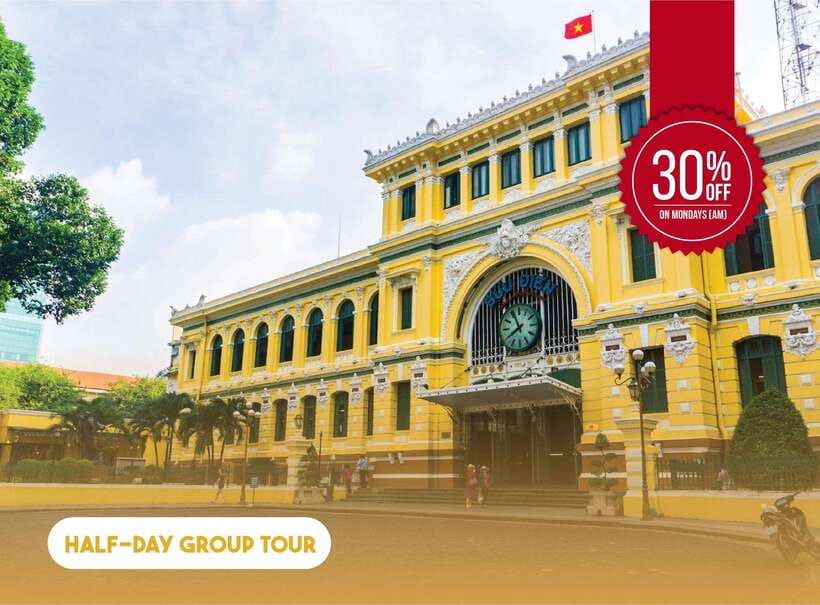
Your first major stop is the Ho Chi Minh Museum. What you’re seeing here is a replica of President Ho’s home in Ha Noi, but it’s built to feel more like a lived-in remembrance than a sterile display.
The setting is part of the experience: a fishpond area, a stilt house, and lush gardens with relics. The effect is simple and powerful. You’re not just reading dates; you’re walking through symbols of life and leadership, and that helps you understand why historical messaging in Vietnam can feel personal.
One practical note: this stop is guided with about 45 minutes for visiting and walking, so it’s best for an overview. If you’re the type who reads every label twice, you might wish you had more time—but the tour’s pace is what makes it fit neatly into half a day.
Museum of the Fifth Military Zone: aircraft and tanks with context
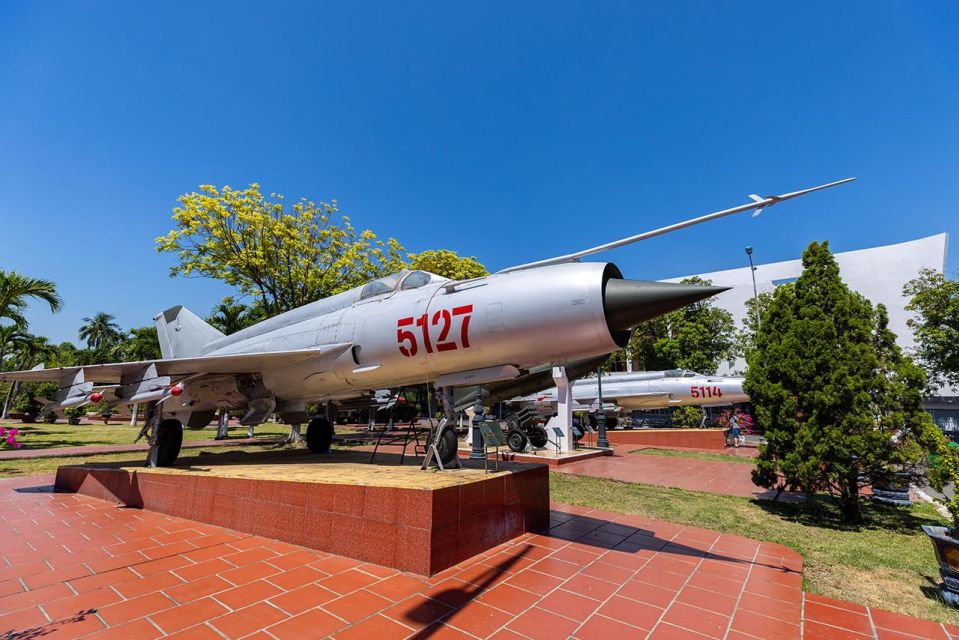
Next comes the Museum of the Fifth Military Zone, focused on Vietnam’s military history. This is where the tour gets more concrete, because the museum showcases war equipment, including aircraft and tanks.
The key detail is the origin story tied to Vietnam’s Fifth Military Division—equipment captured during the French and American wars. That framing changes how you view the objects. You’re not just seeing old machinery; you’re seeing how later conflict reshaped military life, and how captured equipment became part of the national narrative.
This stop is also guided, so you’re not stuck translating everything on your own. Even if war history isn’t your favorite topic, the guided explanation is what turns the collection into understanding rather than just a list of items.
Cham Museum’s nearly 300 sculptures (7th–15th century): why it matters
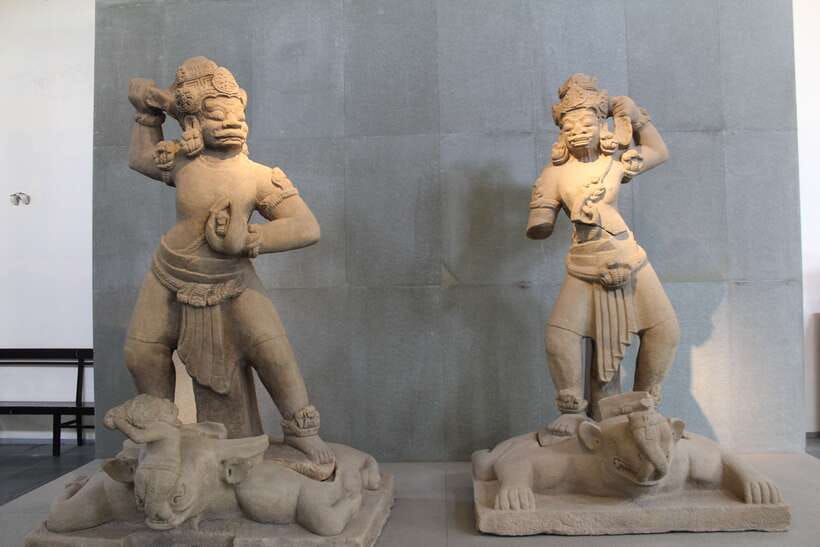
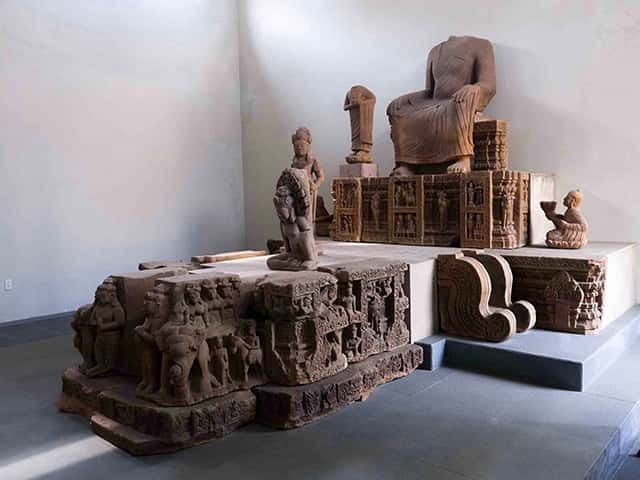
If one stop earns the biggest time investment in your head, it’s the Cham Museum. It’s described as having the world’s largest collection of Cham sculptures, and the exhibit includes nearly 300 terracotta and stone works.
The time range is also important: from the 7th to the 15th centuries. That’s the period when the Champa civilization shaped much of Vietnam’s coastal history, and it helps connect the dots for anyone who only knows Vietnam through modern borders.
Why this museum lands well on a half-day tour is that it doesn’t ask you to memorize everything. You’re shown the arc of Champa artistic output, and then you can connect it to what you see around Da Nang today—especially the cultural influence along the coast.
There’s about 45 minutes here as well, which is enough to see the main exhibition and get the story without feeling overwhelmed. Again, it’s a guided overview, so if you love iconography and want to slow down, you’ll want to pick a few sections to focus on.
You can also read our reviews of more tours and experiences in Da Nang






Dragon Bridge and the Love Lock Bridge: modern icons with postcard control
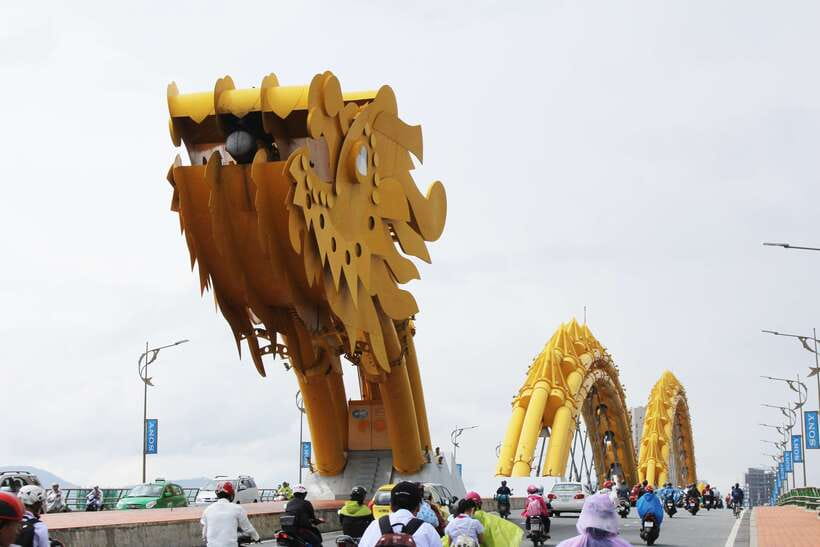
After the museum weight, the tour pivots to outdoor Da Nang. You get short, guided viewing time at Dragon Bridge—about 15 minutes—which is basically designed for recognition and photos, not deep exploration.
Then comes the Love Lock Bridge, also known as Cầu Tình Yêu. Expect about 20 minutes for the guided tour, sightseeing, and walking. This is where the modern Da Nang feeling kicks in: the city’s public spaces become part of the sightseeing.
You’ll also see the Ca Chep Hoa Rong statue during this modern-landmark stretch. That kind of decorative city artwork is the bridge between eras in a very literal way: you learn about the past in museums, then you look at how Da Nang presents itself now.
If you’re sensitive to crowds or heat, this is the section where your timing matters most. Short visits are a help here, but you should still plan to move at a steady pace.
Thuận Phước Bridge and Tien Sa Port: the photo stop that closes the loop
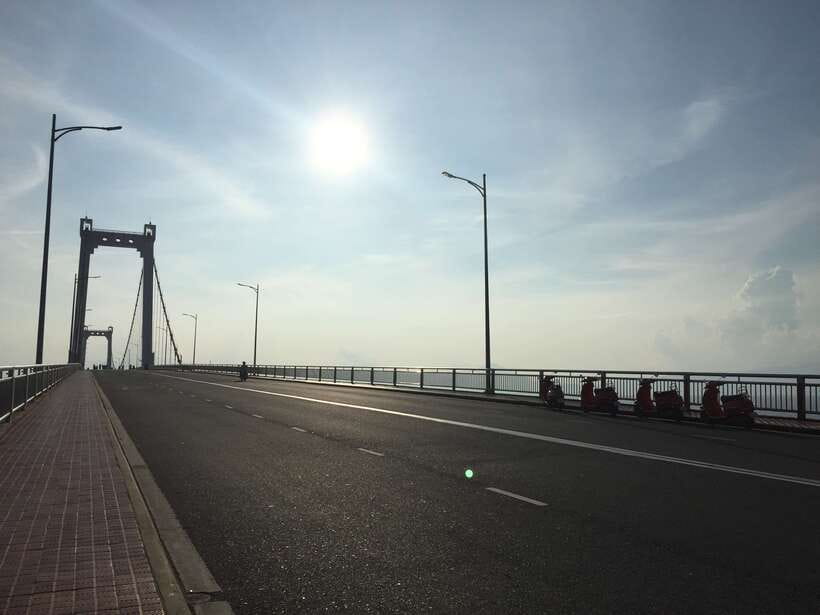
The tour ends with Thuận Phước Bridge at Tien Sa Port. You get a photo stop plus guided sightseeing and walking—about 30 minutes for this final leg.
This is a good way to finish because it keeps the theme consistent. The bridge is another modern landmark, but the port setting adds a sense of movement and geography. It’s a reminder that Da Nang’s coastal location has always mattered, even when political and cultural eras changed.
If you want the easiest souvenirs, this is also where you’ll likely feel done with the tour and ready to head back to your own plans.
How much the guide changes the experience (and why Phan stands out)

A half-day tour lives or dies by the guide. The good news here is that the tour includes an English-speaking guide, and you’re not just left to wander between stops.
One name that has been highlighted is Phan. The key point isn’t just that he knows the material—it’s that he’s easy to understand and doesn’t rush. That matters a lot when you have fixed time slots in museums. When a guide slows down for your questions, the half-day doesn’t feel like a conveyor belt.
Group size also affects comfort. If you book a private group, you can often move at a calmer speed and ask more follow-ups. In one private setup, the tour worked especially well because the group size was small and museum and bridge lovers could take it at an easy tempo.
Price and what you actually get for $39
At $39 per person for a four-hour tour, you’re paying for more than sightseeing. You’re getting hotel pickup and drop-off, transportation between sites, entrance fees, a bottled water, an English-speaking guide, and travel insurance.
That bundle is the real value. A comparable day of museum tickets plus taxis plus guide time can add up fast—especially in a city where you’d otherwise bounce around by yourself and lose time between stops.
So the question isn’t only whether $39 is cheap. It’s whether the structure fits how you like to travel. If you want a guided, time-managed introduction to Da Nang’s history and modern icons, this pricing feels fair.
Who should book this tour (and who might skip it)
This half-day works best if you want:
- A focused overview with guided explanations for museums you might otherwise skim
- A mix of cultural history and recognizable Da Nang landmarks
- A schedule that fits into a tight itinerary without draining your whole day
You might consider skipping if:
- You hate fixed timing and want full, slow museum time
- Your main goal is beach lounging and you’d rather put time toward water and sand
- You travel with children who need extra freedom, since the tour doesn’t allow unaccompanied minors and children tickets follow adult ratios
Also, if bridges and photos are your priority, you may want to know that the bridge sections are shorter than the museum sections. The bridge part is great, but it’s not an all-afternoon street photography mission.
Should you book Half-day Da Nang Cultural and Historical Tour?
I’d book it if you’re trying to understand Da Nang in one sweep. The mix is smart: Cham Museum for cultural depth, the war museum for historical framing, and Dragon Bridge plus the Love Lock bridge stretch so you leave with images you’ll remember.
If you’re the kind of traveler who likes to chase context, this tour gives you just enough time to get it, without making you sacrifice your whole day. If you’re more of a slow museum reader, you can still enjoy it—just go in ready to choose highlights and don’t expect hours of label-reading.
FAQ
FAQ
What sites does the tour visit?
The tour includes the Ho Chi Minh Museum replica, the Museum of the Fifth Military Zone, the Museum of Cham Sculpture, and modern landmarks including Dragon Bridge, the Love Lock Bridge, the Ca Chep Hoa Rong statue, and Thuận Phước Bridge at Tien Sa Port.
How long is the tour?
The duration is about 4 hours.
Is hotel pickup included?
Yes. Hotel pickup and drop-off are included for anywhere in Da Nang City Center, except Son Tra Peninsula.
What language is the guide?
The tour is offered with an English-speaking tour guide. Other languages may be available upon request with a surcharge.
Does this tour include museum entrance fees?
Yes. Entrance fees are included.
Is bottled water included?
Yes. Bottled drinking water is included.
What is the approximate time at each main stop?
Ho Chi Minh Museum and the Cham Museum each include about 45 minutes for visiting and walking. Dragon Bridge is about 15 minutes. The Love Lock Bridge is about 20 minutes. Thuận Phước Bridge includes about 30 minutes with a photo stop.
Is the tour wheelchair accessible?
Yes, the tour is listed as wheelchair accessible.
Are unaccompanied minors allowed?
No. Unaccompanied minors are not allowed.
What about tickets for children?
Child tickets apply only when there is a maximum of 1 child per accompanying adult. Any additional children must pay the adult price, so book adult tickets for extra children.
Is travel insurance included?
Yes. Travel insurance is included.