REVIEW · DA NANG
My Son Holyland in the Early Morning-UNESSCO World Heritage Site
Book on Viator →Operated by Private Tourguides in Da Nang Hoi An Hue · Bookable on Viator
Dawn makes My Son feel different, and this early start is built for seeing the ruins with space to breathe. I really like the private, English-guided approach that helps the stones make sense, especially with guides like Mr. Ty who explain the site clearly. I also love the timing: you get to the sanctuary while the day is still waking up, which makes the history feel less rushed.
The main trade-off is practical: you’re up early, and you’ll do a short walk from the electric-car drop-off onto temple pathways. Add to that the fact that the experience depends on good weather, and you’ll want to pack for a cool morning that can turn into humid heat fast.
In This Review
- Key points before you go
- Why My Son at dawn changes everything
- Pickup, electric cars, and the short walk that matters
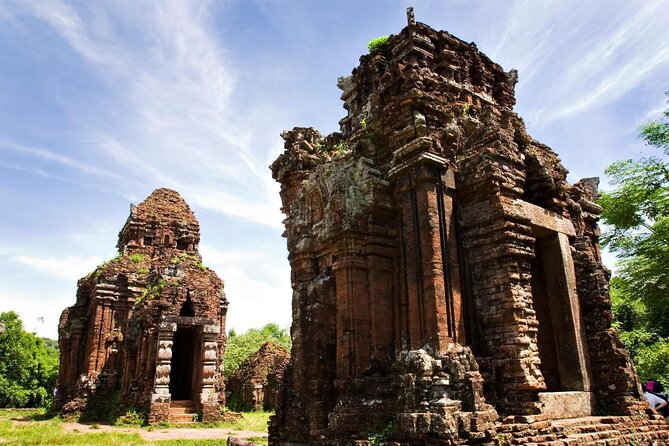
- Inside the temple and tower complex: 4th to 13th centuries
- Cham building without mortar: the detail you can actually see
- Champa Kingdom context: why the site means something
- Views over the jungle valley: when to look up
- Price and value: what $56.42 buys you
- Who this private early tour is best for
- Should you book My Son Holyland in the Early Morning?
- FAQ
- What time does pickup start, and when do I return?
- How long do we spend visiting the My Son sanctuary?
- Is the entrance ticket included?
- How do you get to the temple areas once you arrive at My Son?
- What’s included in the price?
- Do you need good weather for this experience?
Key points before you go
- Beat the morning crowd with a start that gets you inside before the busiest hours
- Private guide, strong English (Mr. Ty is a standout) for clearer meaning behind the ruins
- Electric cars + a short walk to reach the temple areas without long hassle
- Temples from the 4th to the 13th century with guided context across the whole complex
- Mortar-free Cham building methods and bas-relief details you can actually notice
- Jungle-valley views that look good even in the early light
Why My Son at dawn changes everything
My Son Sanctuary is one of those places where the timing really affects how you experience it. Going early means you’re not fighting the day’s crowd energy, and the site feels calmer as you move through the temple and tower areas. It also helps you focus on the key thing My Son offers: how the Cham people built and rebuilt a sacred complex across many centuries.
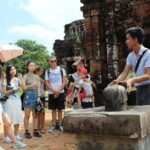
I liked that the tour is structured around understanding, not just ticking off monuments. You’re guided through the different temple zones, so you learn what you’re looking at as you walk. That matters because My Son isn’t a single standing temple you can quickly photograph and forget. It’s a whole system of structures from different phases, and the guide’s explanations tie those phases together.
There’s also something quietly satisfying about arriving early, seeing the valley around the sanctuary with a little morning haze, and realizing you’re about to spend the next couple of hours with the stones and carvings as your main attraction. If you’re the kind of traveler who enjoys architecture details and religious sites, this is a good match.
You can also read our reviews of more historical tours in Da Nang

Pickup, electric cars, and the short walk that matters
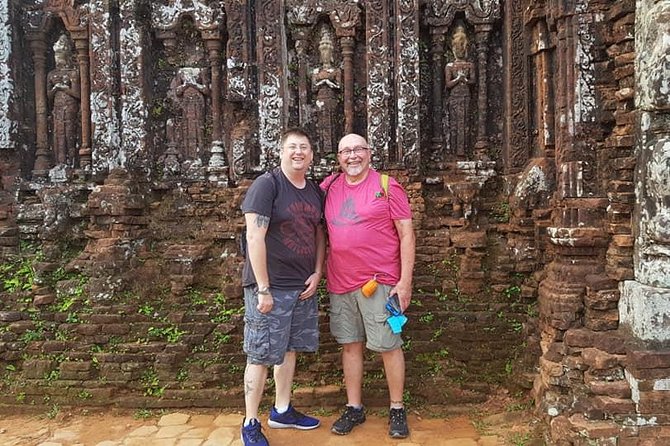
This is set up for smooth door-to-door time from Da Nang or Hoi An. You start around 6:00 a.m. with pickup, in a private car or minivan with strong air-conditioning. That’s a real comfort upgrade in central Vietnam, where humidity can turn even a short outing into a sweaty one.
Getting into the sanctuary area is also efficient. Once you arrive near My Son, you access the site using the provided electric cars. After that, there’s a short walk from the drop-off point to the areas you’ll visit. The walk isn’t described as long, but it’s still a walk on temple paths, so comfortable footwear helps.
This transport setup is one of the quieter advantages of the tour. You don’t spend your morning wrestling with finding rides or piecing together buses. And because it’s private, your schedule is coordinated around your guide and your return back to your hotel in Da Nang or Hoi An around 10:15 a.m.
Inside the temple and tower complex: 4th to 13th centuries
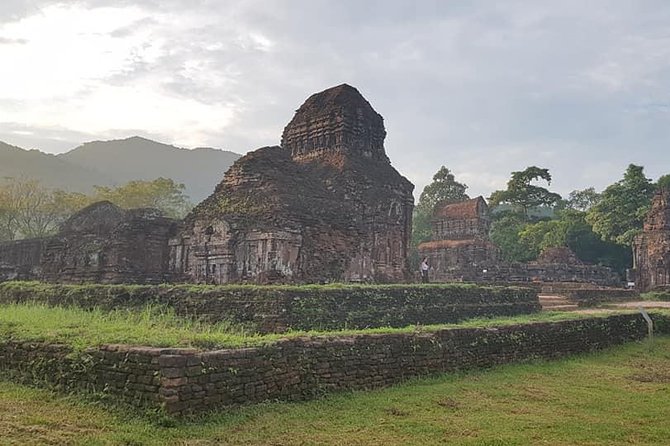
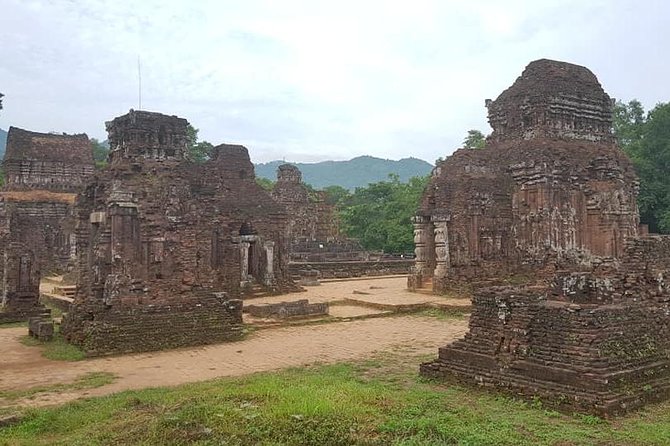
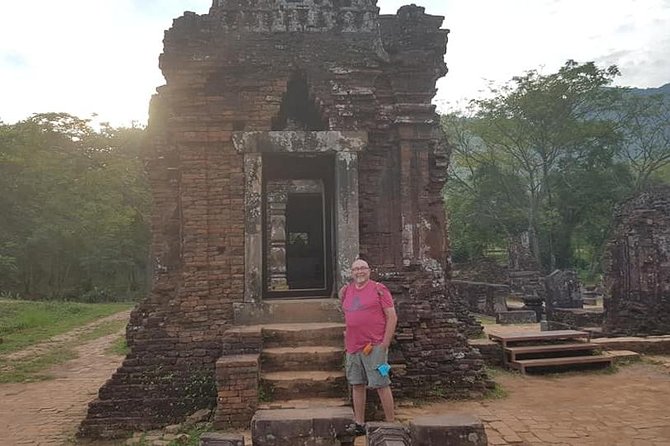
What makes My Son special is not just that it’s old. It’s that it reflects a long run of construction, rebuilding, and spiritual use over time. During your visit, you’ll explore the temple and tower complex, including areas representing structures built and rebuilt from the 4th century through the 13th century.
I like how the tour’s pace fits the site. You’re not pushed into a frantic sprint. Instead, you spend your morning on the main zones that make up the sanctuary. The visit window runs roughly from 7:30 to 9:00 a.m., which is a sweet spot: long enough to see real details, short enough that you’re not slogging through heat and crowds.
Tower-temples are a key part of what you’ll be focusing on. The remains include Hindu-related elements, and you’ll also notice the bas-relief decoration style on some of the tower-temple surfaces. This is where a guide matters. Without explanation, it’s easy to see carvings as background texture. With a guide, those decorations become part of the bigger story—what the structures were for and how they were visually shaped.
One practical consideration: since you’re dealing with ruins, some parts can be uneven or partially collapsed. You’ll want to slow down a bit and look where you place your feet, not just where you point your camera.
Cham building without mortar: the detail you can actually see
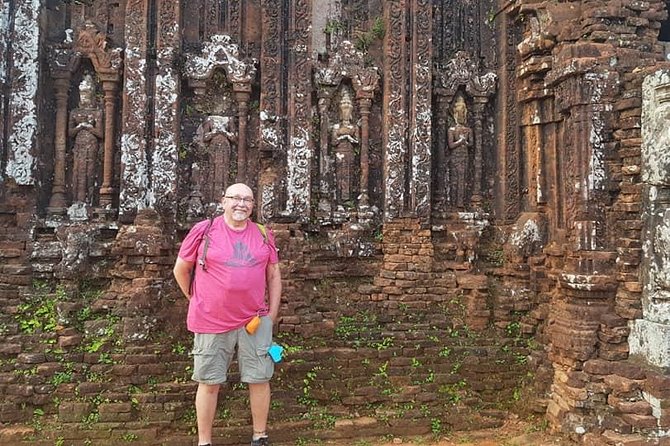
One of the most interesting elements you’ll learn about is how the Cham people built these temples without using mortar. That’s the kind of detail that sounds academic until you stand close enough to notice the way the structures hold together.
In plain terms, this is where the tour helps you connect craftsmanship to visible results. The temple remains and tower-temples aren’t just scenic rocks. They’re evidence of construction choices, materials, and engineering logic that worked well enough for centuries—even through rebuilding phases.
As you move through the sanctuary areas, your guide helps you pay attention to the building style rather than treating everything as equally similar. The site’s bas-relief carvings also become easier to spot when someone points out what you’re looking at. Even if you’re not a “carving person,” you’ll probably find one or two sections where the decoration is striking enough to pull you in for a closer look.
I also appreciate that you’re not only focused on what survived. The story includes how the complex evolved across time, which helps explain why the ruins don’t look like one uniform temple. They look like a living religious site that changed as the kingdom, beliefs, and needs changed.
Champa Kingdom context: why the site means something
My Son isn’t just architecture; it’s connected to the wider Champa Kingdom and the Cham people’s relationship to the temples. The tour frames what you see in that context, so the ruins feel connected to real human priorities rather than just a distant artifact.
This is where the guide’s job goes beyond describing locations. You’ll get explanations about how the spiritual context links to the structures built across centuries. In a place like My Son, that context matters because the remains are fragmentary. Without context, ruins can feel like puzzle pieces. With context, the pieces start to suggest a pattern.
This is also where the early timing helps again. In the morning, you can concentrate on meaning instead of rushing between photo spots. It’s easier to absorb explanations when you’re not constantly reacting to lines, noise, or heat.
And if you’re the type who cares about how cultural influence is represented in architecture, you’ll probably enjoy the way the tour connects the Cham people’s temple use and building efforts to the larger kingdom story. The result is a tour that gives you something to carry away, not just images.
You can also read our reviews of more tours and experiences in Da Nang
Views over the jungle valley: when to look up
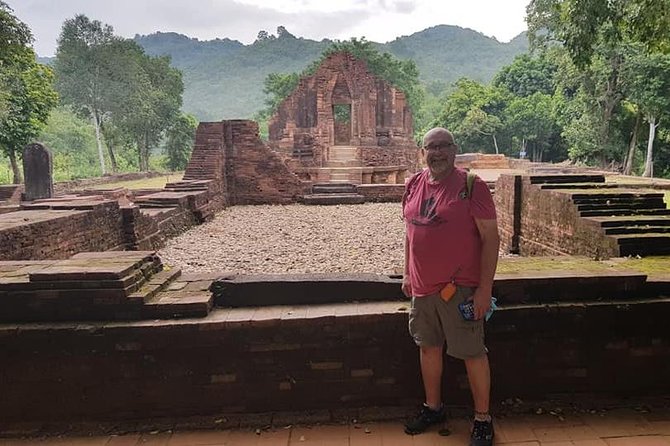
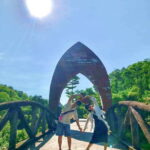
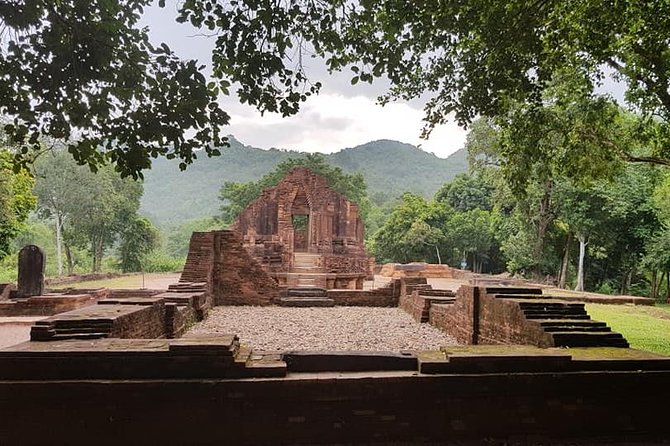
My Son sits in a valley area surrounded by jungles, and you don’t need to be a landscape photographer to appreciate it. The tour includes time to enjoy the beautiful views of the valley surrounded by jungles, which works as a reset between close-up ruins and your next block of explanations.
This matters more than it sounds. Ruins are details-heavy—carvings, stone surfaces, tower shapes. Stepping back for a view helps your brain place the structures in their actual setting. It also gives you a different angle for photos, especially in the calmer early light.
You’ll probably notice that some of the best-looking viewpoints are the ones where you’re not crowding the monument. So try to look for the spots your guide directs your attention toward, then take a few minutes to watch the scene before you start shooting. Those valley moments are part of why an early tour feels “worth it.”
Price and value: what $56.42 buys you
The price is $56.42 per person for an experience that runs about 4 hours 20 minutes (roughly 6:00 a.m. pickup through around 10:15 a.m. return). At this cost, you’re not paying just for entry to ruins. You’re paying for coordination, transportation, a guide, and included basics.
Here’s what you get included:
- Private car or minivan with strong A/C
- A professional English-speaking guide
- Entrance tickets
- Bottled water
For many travelers, the biggest hidden value is the “no friction” part. Private pickup means you don’t spend your morning bargaining for rides or trying to understand local transport while jet-lagged. And because it’s private, your guide can tailor the flow for your pace.
You also get mobile ticket convenience, which helps reduce time spent on paperwork. If you’re traveling with family or friends and want a controlled schedule, the private setup is usually a better match than joining a larger group.
The only cost side to watch is that meals and personal expenses aren’t included. That’s normal for a short morning outing, but plan to eat after you return.
Who this private early tour is best for
This tour fits best if you:
- Want early access and less stress in the morning
- Like history that explains what you’re seeing, not just where things are
- Enjoy Hindu temple-related architecture and Cham cultural context
- Prefer private pacing over a group shuffle
It may be less ideal if you hate early starts, have very limited mobility, or expect a long, lingering day. The visit is focused and time-bound, and there’s that short walk after the electric-car drop-off.
Still, for most people, the structure is straightforward and the private format keeps it comfortable.
Should you book My Son Holyland in the Early Morning?
If you’re on the fence, I’d book it if your priority is meaning over just pictures. The combination of early timing, a guide who explains the site’s long 4th–13th century story, and specific attention to Cham construction—like building without mortar and noticing bas-relief—makes this a stronger use of your morning than a rushed self-guided visit.
Go for it when you want value in the form of smooth pickup, included tickets, and a clear interpretation of the ruins. Skip it only if your body clock refuses early mornings or if you’d rather spend your time in slower, longer stops without any tight schedule.
FAQ
What time does pickup start, and when do I return?
Pickup starts at 6:00 a.m., and you return to your hotel in Da Nang or Hoi An around 10:15 a.m.
How long do we spend visiting the My Son sanctuary?
Your guided visit window is about 7:30 to 9:00 a.m., with additional time for transport to and from the site.
Is the entrance ticket included?
Yes. Entrance tickets are included in the tour price.
How do you get to the temple areas once you arrive at My Son?
You reach the site using provided electric cars, and then take a short walk from the drop-off point to the areas you visit.
What’s included in the price?
The price includes private air-conditioned transport, an English-speaking tour guide, entrance tickets, and bottled water.
Do you need good weather for this experience?
Yes. The experience requires good weather. If it’s canceled due to poor weather, you’ll be offered a different date or a full refund.