REVIEW · DA NANG
Coffee Making and Cooking Class
Book on Viator →Operated by Da Nang Food Tour · Bookable on Viator
Coffee here comes with a lesson. In Da Nang, this hands-on class lets you cook four classic Vietnamese dishes and then brew Vietnam-style coffee with a phin filter. I especially like that you leave with practical recipes you can repeat, and that the coffee time covers more than taste, with drinks you might not see elsewhere. One thing to think about: it is a hands-on, 4.5-hour session, and the hotel pickup details are a little inconsistent in the info, so double-check that piece before you go.
In This Review
- The short version: what you’re paying for in Da Nang
- Key highlights to look for
- Arriving at Da Nang Home Cooking Class and getting oriented
- Cooking class flow: from welcome tea to step-by-step cooking
- The four Vietnamese dishes you’ll prepare (and what each teaches)
- Young papaya salad: balancing crunch, sour, and heat
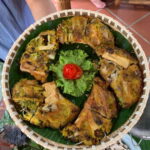
- Chicken with fish sauce: why the sauce is the star
- Deep fried spring rolls: getting texture right
- Another classic dish (seasonal): learning beyond the examples
- Coffee time: learning the phin filter and famous Vietnamese drinks
- Egg coffee: creamy thickness, not just sweetness
- Salt coffee: a balancing act for sweetness
- Coconut coffee: warm, mellow richness
- Phin coffee: the foundation drink
- Dietary needs: how to get substitutions without stress
- English-friendly guidance and the small-group advantage
- Price and value: is $17 fair for what you get?
- If you’re short on time, choose the right part
- Who should book this Da Nang cooking and coffee class
- Should you book this class or skip it?
- FAQ
- How long is the cooking and coffee class?
- What is the price per person?
- What’s included in the class?
- Which coffee drinks are included?
- Can I do only the cooking class or only the coffee making class?
- Is hotel pickup and drop-off included?
- Do they accommodate allergies or food preferences?
- What is the group size limit?
- Where does the activity start and end?
The short version: what you’re paying for in Da Nang
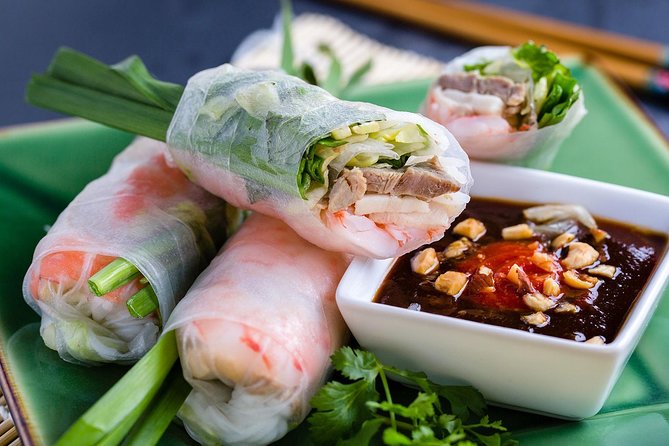
For about $17 and roughly 4 hours 30 minutes, you get two parts that fit together nicely: a cooking class (where you actually make lunch) and a coffee lesson (where you make several famous drinks). This format is good value because you’re not just watching a demo and eating someone else’s work. You’ll work at your own station, follow step-by-step guidance, and end up with clear techniques for both food and coffee.
The group size is capped at 13, which usually means you can get help when your hands get messy or your first batch is a little off. You also get an English-speaking guide, plus a tea welcome drink, and the session is designed around classic dishes and coffee culture.
Key highlights to look for
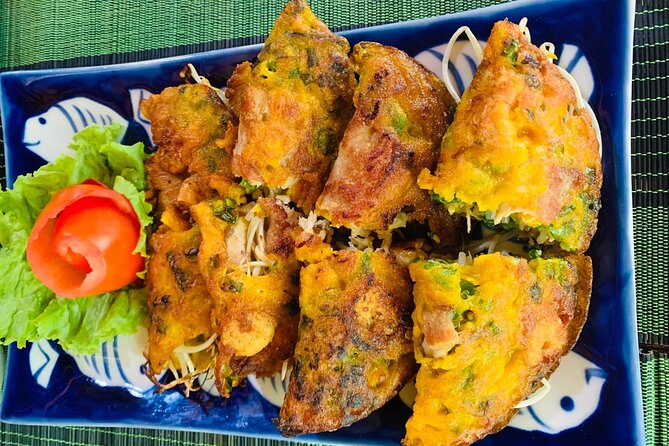
- Four dishes cooked by you at your own station, guided step-by-step
- Phin filter coffee brewing plus four specific coffee drinks to learn
- A small group format (max 13) that helps you get attention when needed
- Coffee history built into the lesson, not just a recipe dump
- Dietary needs accommodated if you email ahead with requirements
- Cooking-only or coffee-only options if you’re short on time
You can also read our reviews of more cooking classes in Da Nang
Arriving at Da Nang Home Cooking Class and getting oriented
The experience starts at Da Nang Home Cooking Class, located at 146 Đ. Đoàn Khuê, Khuê Mỹ, Ngũ Hành Sơn, Ngũ Hành Sơn, Đà Nẵng. You’ll end back at the same meeting point.
That matters because you can plan your day without guessing where you’ll be dropped. Still, there’s one detail worth clarifying: one part of the information says hotel pickup and drop-off are included, while the activity details also list pickup/drop-off as not included. If you’re relying on a hotel shuttle, confirm before booking so you’re not stuck with an extra taxi ride.
You’ll bring your appetite and your willingness to do real work. These are not passive seats-and-watch lessons. The pace is set up so you can learn techniques quickly, then apply them without feeling rushed.
Cooking class flow: from welcome tea to step-by-step cooking
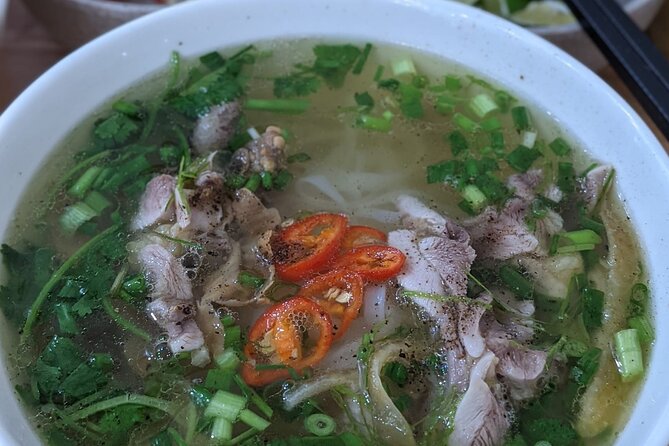
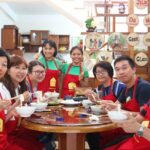
You’ll start with a tea welcome drink, then get a quick run through of what’s coming. The structure follows a simple pattern that works well for beginners: a demonstration first, then you cook at your own station while an instructor guides you recipe step-by-step.
You’ll practice with what the class calls Vietnamese secret cooking techniques. Even if you’ve cooked Vietnamese food at home before, this part is about the small moves that change results, like how you handle sauce timing, how you manage texture, or how you keep frying under control.
You’ll also get tasting samples along the way. That’s important because you can compare your progress to the target. If something is too salty or not crunchy enough, you’ll have a real reference point rather than hoping.
In at least one review, the instructor-host experience felt very smooth and friendly. One host named Jane was described as helpful and supportive, especially in how she handled questions in English. That kind of guidance matters during hands-on cooking, when you’re not just learning ingredients—you’re learning habits.
The four Vietnamese dishes you’ll prepare (and what each teaches)
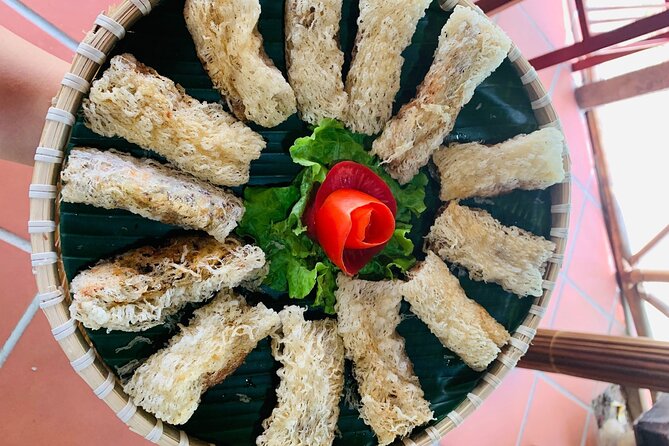
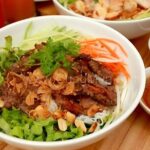
The dishes rotate based on seasonal ingredients, but you can expect classic Vietnamese flavors and techniques. Examples mentioned include young papaya salad, chicken with fish sauce, and deep fried spring rolls. The goal is not just to eat lunch; it’s to learn how these dishes get their personality.
Here’s what you can take away from the typical lineup:
Young papaya salad: balancing crunch, sour, and heat
Young papaya salad is one of those dishes where small technique choices make a huge difference. You’ll learn how to build the flavor balance—sour from lime, salty depth, and a chili note that doesn’t overpower. If you’ve ever had papaya salad that was either too sour or too sweet, this is where you’ll see how Vietnamese cooks correct it.
Practical tip for what you’ll likely carry home: taste as you go. The class approach includes tasting samples, so you get permission to adjust rather than follow blindly.
You can also read our reviews of more tours and experiences in Da Nang
Chicken with fish sauce: why the sauce is the star
Fish sauce can be intimidating if you only associate it with strong smells. In a good cooking class, you see that fish sauce is mostly about restraint and timing. Chicken with fish sauce teaches you how to make savory work without turning it harsh.
You’ll likely focus on the order of operations—when to add aromatics, when to simmer, and when to stop. That is the kind of skill you can repeat at home even if you don’t cook the exact same dish later.
Deep fried spring rolls: getting texture right
Fried foods are where technique shows immediately. You’ll work on getting the filling cooked and the wrapper crisp. This is not just a frying lesson; it’s a texture lesson.
Pay attention to how oil temperature and timing affect crispness. If your spring rolls come out heavy or greasy at home later, it usually means one of those two things was off. A class like this gives you the reference for what crisp should feel like.
Another classic dish (seasonal): learning beyond the examples
The class promises four classic Vietnamese dishes in total, shaped by seasonal ingredients. That means you’ll get at least one additional dish option beyond the examples above, so you’re not stuck with the same “tourist menu” repeat.
For you, the win is variety: you leave with more than one flavor profile to practice at home—salad freshness, savory sauce cooking, and frying texture.
Coffee time: learning the phin filter and famous Vietnamese drinks
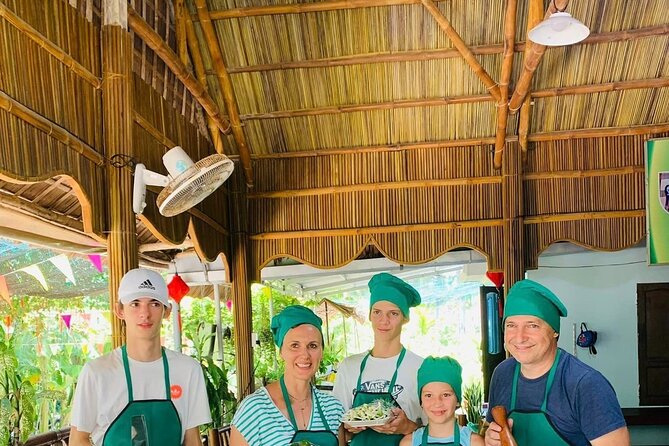
After lunch, the session shifts from kitchen heat to coffee craft. This is one reason the experience works so well: food and coffee are taught as connected parts of Vietnamese daily culture, not two random add-ons.
You’ll learn how to brew coffee using the phin filter. This method changes the entire feel of the drink because it’s slower and more controlled. Instead of coffee just pouring through, you get layers and a more gradual extraction.
Then you make four well-known coffee drinks in Vietnam:
- Egg coffee
- Salt coffee
- Coconut coffee
- Phin coffee
In one review, I saw that the coffee session also includes a coffee history lesson across Vietnam. That’s a big plus. It helps you understand why these drinks exist and what they’re built to do—sweetness, texture, richness, or balance—rather than treating them as sugary curiosities.
Egg coffee: creamy thickness, not just sweetness
Egg coffee is famous for its smooth foam and caramel notes. The technique teaches you how to whip or prepare the egg element until it turns silky. If you’ve only had egg coffee from cafés, you’ll likely be surprised by how much texture depends on preparation steps.
Salt coffee: a balancing act for sweetness
Salt coffee sounds odd until you taste it. The salt is there to sharpen sweetness and bring forward the coffee flavor. When you make it, you learn that it’s not salty for the sake of saltiness—it’s precision.
Coconut coffee: warm, mellow richness
Coconut coffee tends to feel gentler than classic black coffee. You’re learning a pairing logic: coffee provides the bitterness and depth, coconut brings roundness.
Phin coffee: the foundation drink
Even if you’re planning to love the specialty drinks, the phin coffee is the base skill. Get this right and you’ll understand how the other drinks can be adjusted without losing the coffee identity.
Dietary needs: how to get substitutions without stress
If you have allergies or specific food preferences, the class states that their family can cater to them. The key is timing: you should email your requirements ahead of time so they can confirm substitutions or ingredient changes.
That matters because hands-on cooking depends on the ingredients you’re given at your station. If you wait until you’re already there, the chances of smooth substitutions get smaller. If you email ahead, you’ll reduce stress and keep the experience enjoyable.
English-friendly guidance and the small-group advantage
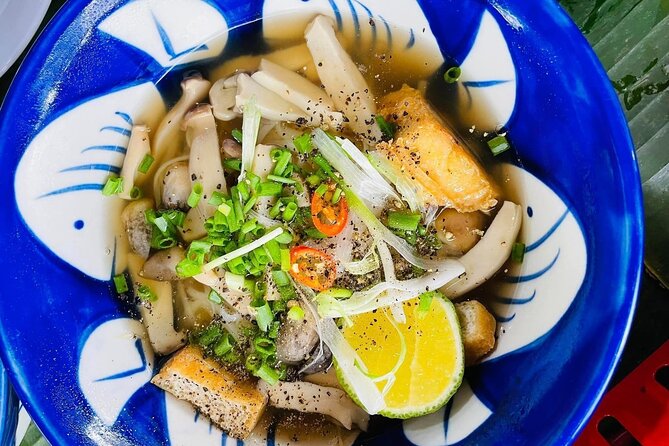
This is taught with an English-speaking guide. That’s not just helpful for translation; it changes how quickly you can learn. Cooking is a lot easier when you understand the goal and the technique name, not just the ingredient list.
With a maximum group size of 13, you’re not competing for attention. That is especially useful for coffee, where the brewing steps can be slow and each person’s setup matters.
In one review, the host Jane was highlighted as friendly and helpful. Another review also mentioned staff being bright and kind with children, which suggests a calmer atmosphere than some strictly formal classes.
Price and value: is $17 fair for what you get?
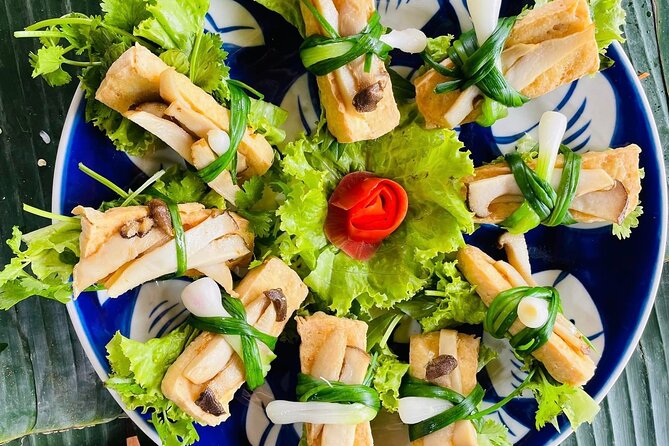
At $17 per person for about 4.5 hours, you’re not paying for a single dish or a quick tasting. You’re paying for guided production of four dishes plus four coffee drinks, with instruction plus tasting samples.
Here’s how the value stacks up:
- You cook lunch rather than just watch. That’s the main cost driver in a real cooking class.
- You take home recipes and techniques to repeat later. Even if you don’t cook everything perfectly at first, having a repeatable method is the real souvenir.
- You learn coffee skills, not only coffee flavors. Brewing with a phin filter is a durable home skill.
- Small group size helps instruction time actually reach you.
One consideration: the experience price is straightforward, but tips are not included. Also, the info about pickup/drop-off is inconsistent. If you need transportation arranged from your hotel, confirm what you’ll cover so the total cost stays what you expect.
If you’re short on time, choose the right part
The class offers flexibility if your schedule is tight: you can choose to learn the cooking class only or the coffee making class only.
That’s a smart option if:
- you already have Vietnamese food plans for lunch, but want the coffee skill set
- you love cooking, but coffee drinks are a secondary priority
- you’re traveling with someone who prefers one half of the experience
If you can swing the full 4.5 hours, the combination is the advantage. Food teaches your palate. Coffee teaches your technique and flavor memory.
Who should book this Da Nang cooking and coffee class
You’ll get the most out of this if you like hands-on learning and you want practical skills, not just photos.
This is a good fit for:
- first-timers to Vietnamese cuisine who want a structured introduction
- coffee lovers who want the phin filter method and classic regional drinks
- travelers who learn best by doing, with guidance and tasting samples
- groups or families who appreciate a small-group atmosphere (staff have been described as friendly to children)
It might not be ideal if you:
- want a purely scenic or cultural walking tour
- dislike hands-on food prep and prefer only eating
- need pickup from your exact hotel and cannot confirm the logistics in advance
Should you book this class or skip it?
I’d book it if you want a practical Da Nang experience where you leave with two skill sets: Vietnamese home cooking and Vietnamese coffee brewing. The pairing is the magic. Four dishes plus four iconic coffee drinks is a lot for one afternoon, and the small group format helps it stay personal.
Skip it if your day is already packed with food tours and you mainly want sightseeing. In that case, the coffee-only option could still be worth it, especially if you’re mainly chasing the phin filter and the egg, salt, and coconut drinks.
If you do book, message them about dietary needs right away if that applies. And double-check the pickup/drop-off situation so you arrive relaxed, not guessing.
FAQ
How long is the cooking and coffee class?
It’s about 4 hours 30 minutes.
What is the price per person?
The price is $17.00 per person.
What’s included in the class?
You get tea welcome drink, making 4 types of coffees, instructor and English speaking guide, and the cooking class.
Which coffee drinks are included?
The coffee menu includes egg coffee, salt coffee, coconut coffee, and phin coffee.
Can I do only the cooking class or only the coffee making class?
Yes. If you don’t have enough time, you can choose to learn the cooking class only or the coffee making class only.
Is hotel pickup and drop-off included?
The overview says hassle-free hotel pickup and drop-off are included, but the details list pickup and drop-off as not included. Confirm with the provider before you go.
Do they accommodate allergies or food preferences?
Yes. You should email your food requirement ahead of time, and they will confirm substitutions or ingredients.
What is the group size limit?
The maximum is 13 travelers.
Where does the activity start and end?
It starts at Da Nang Home Cooking Class at 146 Đ. Đoàn Khuê, Khuê Mỹ, Ngũ Hành Sơn, Đà Nẵng, and ends back at the meeting point.