REVIEW · DA NANG
RICE PAPER Noodle Making Experience & Hoi An Cooking Class Class
Book on Viator →Operated by Hoi An Eco Tours Discovery · Bookable on Viator
Rice noodles meet real coastal life in Hoi An. This tour blends hands-on Vietnamese cooking with real village time, including a boat ride through a coconut palm forest and learning to catch purple crabs. I especially like the practical, step-by-step food teaching and the fact you eat what you help make, not just a plated snack. One heads-up: it’s active and hands-on, so if you prefer sitting back, this may feel a bit hands-on and messy.
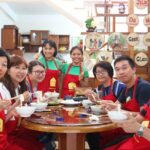
I also like the small-group feel, capped at a tight traveler limit, which makes it easier to ask questions while you’re cooking. In guest notes, Chef Tim and guide Lan are specifically mentioned for clear guidance and good energy. If you’re hoping for purely hands-off sightseeing, you’ll want to pick something else—this day is built around doing, not just watching.
In This Review
- Key moments worth your attention
- What this experience does well (and why food people will love it)
- Getting from Hoi An into the countryside: pickup plus a market start
- Kim Bong Village and the noodle-making part (where you get your hands dirty)
- A small caution that helps your experience
- Chef Tim’s cooking class: technique, not just recipes
- What to watch for during the class
- The water side: basket boat vibes and coconut palm calm
- Practical tip for this part of the day
- Catching purple crabs and learning from fishermen
- Safety and comfort
- Lantern making and the meal you helped create
- Price and value: is $33.99 good for this much?
- Who should book—and who might want a different style
- Should you book this cooking class and noodle experience?
- FAQ
- How long is the experience?
- Where does the tour take place?
- What is the price per person?
- Is pickup available?
- How large are the groups?
- What does the tour include besides cooking?
- Will I eat during the tour?
- Are recipes provided?
- What ticket format do I receive?
- What’s the cancellation window?
Key moments worth your attention
- Rice paper noodle making with local villagers in Kim Bong/Kim Boongf Village
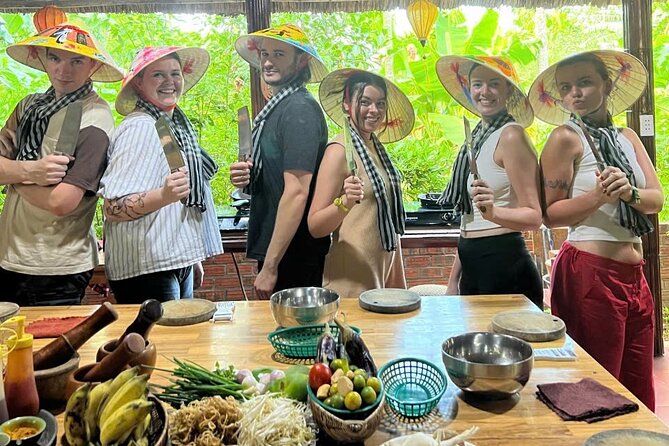
- Chef Tim’s cooking instruction with hands-on steps and clear recipe guidance
- Coconut palm forest boat time that feels like a calm pause in the day
- Purple crab catching taught with local fishermen in a nearby fishing area
- Lantern making showing up as a memorable cultural touch for many people
- A small group (around 15–18) so you get time with your hosts
What this experience does well (and why food people will love it)
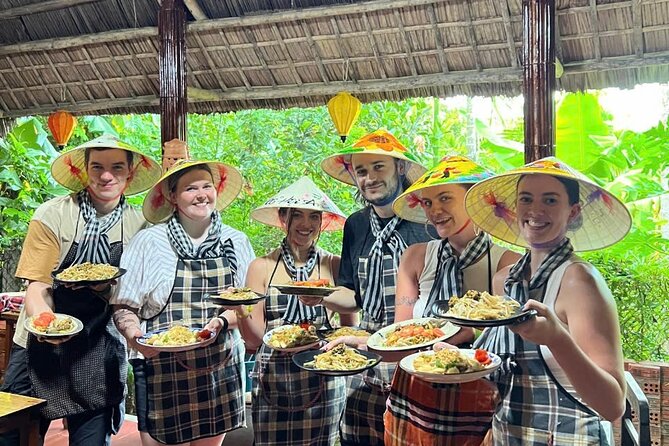
This isn’t a cookie-cutter cooking class where you mostly watch and then eat. You get a full Vietnamese rhythm: rural village life, cooking instruction, and then time on the water tied to local fishing culture. It’s the kind of outing where your senses do the learning—smell, touch, sound—so the food sticks with you.
I like that the tour mixes two kinds of value. First, you learn technique: how Vietnamese dishes come together, and what matters in the ingredients. Second, you learn context: why the local catch and local routines matter to the meal you end up eating. That’s a big reason this can feel more authentic than a “class only” format.
There’s also a real practical bonus: you’ll get recipes from the class. That means you can recreate the dishes later instead of only remembering what something tasted like that day.
You can also read our reviews of more cooking classes in Da Nang
Getting from Hoi An into the countryside: pickup plus a market start
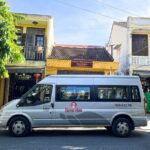
Your day starts with round-trip transfers from Hoi An hotels, which keeps you from spending half your energy figuring out transport. You’ll also have a mobile ticket, and you’re in the right place early enough to stay relaxed rather than rushed.
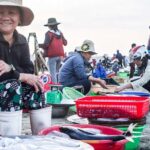
One guest experience described meeting at a café and then walking through markets to choose fresh ingredients for the cooking class. Even if your exact route varies slightly, the intent is consistent: you’re picking real ingredients rather than showing up already stocked. For me, that’s where good cooking classes begin—understanding what you’re actually about to use.
You then move toward the rural side of the region. In shared accounts, people mention a short bus ride to the bamboo village area, which makes sense for covering ground efficiently while keeping the day under the roughly 4 hours 30 minutes mark. It’s not a full-day expedition, so you’ll feel the pace.
Kim Bong Village and the noodle-making part (where you get your hands dirty)
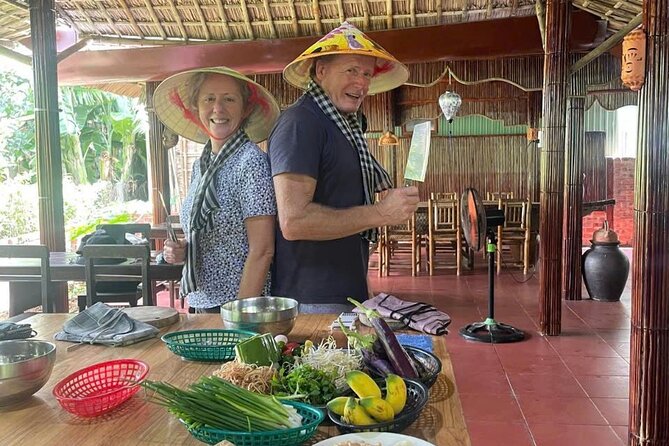
The heart of the “rice paper noodle making” theme happens in the Kim Bong / Kim Boongf Village area. You don’t just arrive, take photos, and leave. You walk around the village and spend time with local hosts as part of rural life.
Then comes the hands-on part: making noodles with local villager support. Even without you needing to know Vietnamese cooking jargon, you’ll learn through doing—mixing, shaping, and working with ingredients and tools. This is also a practical lesson for home cooks: you see how the process looks in a real kitchen setup, not a perfect demo station.
Many classes say hands-on. This one leans harder into it because the activity ties directly to the day’s theme. Rice paper noodles (and the way they’re handled) aren’t just “another dish.” They’re part of how Vietnamese meals turn humble ingredients into something comforting and satisfying.
A small caution that helps your experience
Noodle-making can involve sticky textures and short stretches of standing. Wear clothes you’re comfortable getting slightly messy in, and think about footwear you can move around in. If you’re the type who hates getting flour or dough on your fingers, pack patience—or pick a less hands-on food activity.
Chef Tim’s cooking class: technique, not just recipes
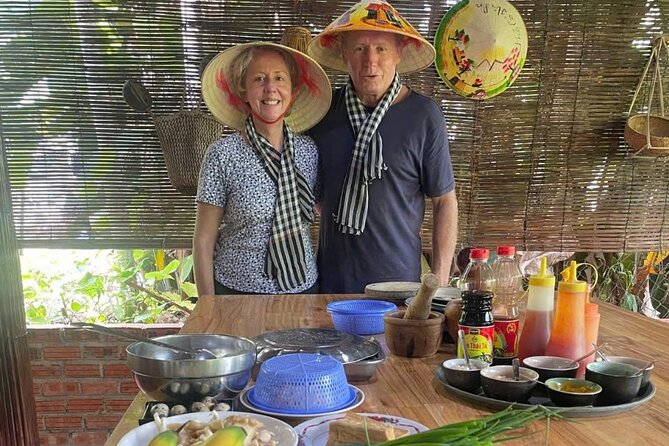
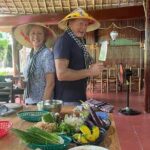
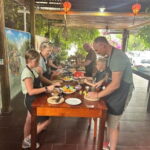
After the village noodle experience, you’ll shift into the cooking class portion with a local chef who teaches Vietnamese cooking. In guest notes, Chef Tim is named as an experienced instructor who explains recipes in detail. That detail matters, because Vietnamese cooking is less about fancy technique and more about balance—salt, acid, herbs, heat, and timing.
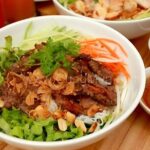
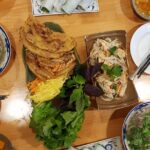
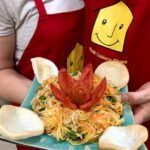
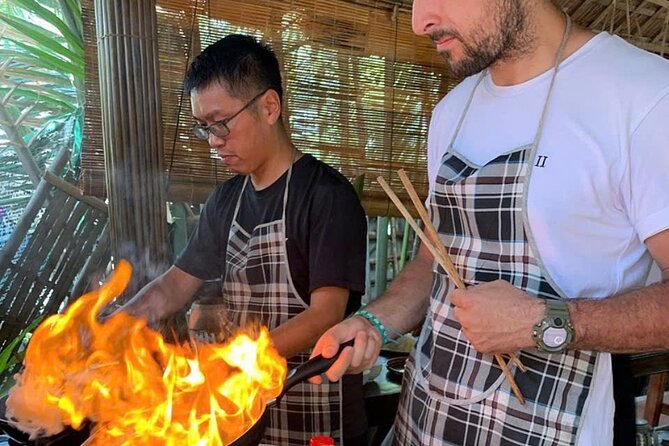
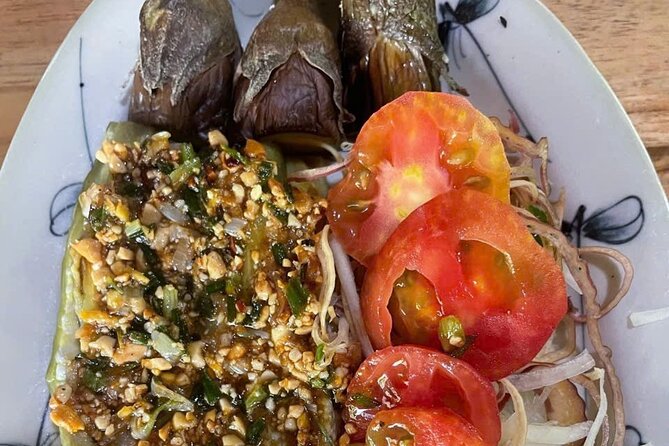
You’ll cook Vietnamese food yourself and then enjoy what you make. That’s a big difference between a class that ends in a tasting, versus one that ends in a real meal. Here, the meal is the payoff for the work you’ve just done, and it’s usually the moment when the whole day clicks.
A helpful promise from the tour: recipes from the class will be provided. That’s not just a nice extra. It’s what helps you turn a one-day experience into something repeatable.
You can also read our reviews of more tours and experiences in Da Nang

What to watch for during the class
Since instruction is hands-on, you’ll get the most out of it if you pay attention to the basics the chef emphasizes—what to do first, what to prep, and how long things should sit or cook. These small cues are often what people struggle with later at home, so treat the class like a checklist in motion.
The water side: basket boat vibes and coconut palm calm
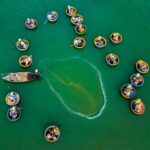
One of the standout elements is the water portion: travel by boat through a coconut palm forest and time in a nearby fishing village area. This isn’t just scenic. It’s tied to how locals fish and harvest seafood that ends up in meals.
The tour summary also mentions paddling a traditional basket boat. That’s the kind of experience that can feel more “you’re part of it” than “you’re watching it.” Even if you’ve done boat rides before, basket boats have a distinctive look and feel, and they connect you to coastal Vietnamese routines.
In the coconut forest area, the vibe tends to be calmer—less city pace, more quiet rhythm. It’s a good contrast after village food work, so your brain doesn’t feel like it’s only in production mode.
Practical tip for this part of the day
Expect some time outdoors around water. Bring sunscreen and consider something for sun glare. Also, if you wear jewelry or anything delicate, keep it secure—boat days have a way of reminding you that water and motion are real.
Catching purple crabs and learning from fishermen
The tour includes learning how to catch purple crabs with a local fisherman, then enjoying the feast that follows. This is one of those activities where you get more than a photo. You learn the logic of fishing—how timing, the environment, and local knowledge all matter.
It also helps you understand the ingredients behind Vietnamese cooking. In a class where you’re learning flavors, it’s easy to forget that the seafood isn’t an abstract concept. Here, it’s part of the day’s story, so your meal feels earned and connected.
Safety and comfort
Your comfort matters on this kind of activity. Wear shoes that can handle uneven ground and keep yourself mindful around slippery surfaces. You don’t need to be an athlete, but you do need to be practical.
Lantern making and the meal you helped create
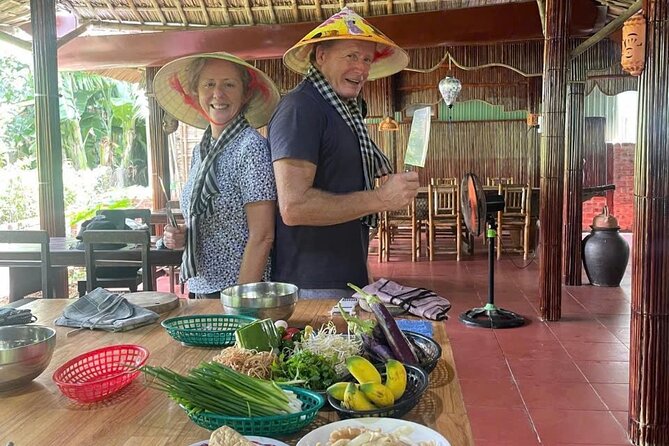
Some guests highlight lantern making as a memorable and colorful add-on during the day. It’s the kind of cultural craft that breaks up the food-and-fishing rhythm without making the tour feel like a time filler.
Then comes the part you’ll remember at home: eating the Vietnamese food you helped cook. When meals are included and you make the dishes yourself, the flavors land harder. You also tend to eat more slowly, because you know what went into each step.
A small bonus from the way the day is described: you’re not stuck indoors the whole time. There’s walking through village areas, cooking at a chef’s instruction, and then time outside on the water. That variety helps the tour feel like a day in coastal Vietnam rather than a single-room activity.
Price and value: is $33.99 good for this much?
At $33.99 per person for roughly 4.5 hours, this price can feel fair when you factor in what’s included. You’re getting round-trip hotel transfers from Hoi An, a small-group setting, village activities, cooking class instruction, and a full meal tied to the food you make. On top of that, the tour summary includes boat time through coconut palms and crab-catching learning.
Many food tours cost similar amounts but deliver less. They might offer a cooking demo or a brief tasting with limited interaction. Here, the day is structured around participation—hands-on noodle making, cooking instruction, and an included meal that reflects the work you did.
Also, booking timing can matter: the tour is listed as commonly booked about 14 days in advance on average. If you know you want this exact combo of cooking plus water culture, earlier booking gives you more choice.
In short: if you want one outing that covers Vietnamese food technique and local coastal life, this is priced like a good value option.
Who should book—and who might want a different style
Book this if you:
- Want a hands-on cooking class that actually teaches, not just feeds you
- Like small groups and asking questions while you cook
- Want a taste of rural and coastal Vietnam beyond Hoi An’s ancient town center
- Enjoy activities tied to ingredients—like learning about purple crabs—then eating the result
Skip or reconsider if you:
- Prefer seated sightseeing with minimal mess
- Don’t like water or active outdoors time
- Want a purely city-focused experience with long museum-style stops
Should you book this cooking class and noodle experience?
I think it’s a strong booking choice if you’re a food-first traveler who also wants real local context. The best part is the pairing: noodle making with villagers and then a chef-led class where you cook and eat what you learned. Add the coconut palm boat ride and the purple crab catching, and you get more than a cooking session—you get a coherent local story.
If you’re on the fence, use this quick filter: do you want to participate in making and cooking, and are you okay with a day that includes outdoors and a bit of hands-on work? If yes, book it. If no, you’ll probably feel better with something more relaxed.
FAQ
How long is the experience?
It runs for about 4 hours 30 minutes.
Where does the tour take place?
The experience is in the Hoi An area, with activity described around Da Nang and nearby villages and fishing areas.
What is the price per person?
The price is $33.99 per person.
Is pickup available?
Yes. Round-trip transfers are offered from Hoi An hotels.
How large are the groups?
It’s limited to 15 travelers, and the activity also states a maximum of 18 travelers.
What does the tour include besides cooking?
The day includes a boat ride through a coconut palm forest and an activity learning how to catch purple crabs with a local fisherman, plus a fishing-village experience.
Will I eat during the tour?
Yes. You enjoy Vietnamese food made by yourself as part of the experience.
Are recipes provided?
Yes. Recipes from the class are made available to you.
What ticket format do I receive?
You’ll have a mobile ticket.
What’s the cancellation window?
You can cancel for a full refund up to 24 hours before the experience starts.