REVIEW · DA NANG
Home Cooking Class: Market, Garden and cooking 4 dishes
Book on Viator →Operated by Da Nang Home Cooking Class · Bookable on Viator
Market-to-kitchen tastes better than souvenirs. This Da Nang class links Han Market, a working garden/farm stop, and a sit-down cooking lesson where you make four classic dishes. You’ll taste Vietnamese coffee too, then eat what you cooked.
I especially like the small group size (maximum 10), because you’re not stuck watching from the back row. I also like that the day starts with real ingredient shopping and farming/garden time, so the cooking feels connected to how Vietnamese food actually starts.
One thing to plan for: the four dishes change by weekday, so check the menu for your travel date before you book.
In This Review
- Key points before you go
- Why this $26 class feels like a full-food day in Da Nang
- The small-group format: what max 10 means for your cooking
- Han Market and the trip past Da Nang Cathedral: where your ingredients get chosen
- Farm and garden time: why the vegetables matter
- Vietnamese coffee (and tea moments) before you cook
- Cooking four iconic dishes: what you’ll actually do
- Menu check by weekday: Monday/Wednesday/Friday/Sunday vs Tue/Thu/Sat
- If your class is Monday, Wednesday, Friday, or Sunday
- If your class is Tuesday, Thursday, or Saturday
- Eating what you cooked: portion size and the real value of the meal
- Transport and timing: morning or afternoon, and how to plan your day
- What’s included, and what you should bring
- Who this experience is best for
- Should you book this home cooking class?
- FAQ
- How long does the home cooking class take?
- Where do I meet the guide?
- Do they include drop-off after the class?
- How many people are in the group?
- What dishes will I cook?
- Are ingredients and recipes included?
- Is Vietnamese coffee included?
- What languages are offered?
- What if the weather is bad?
Key points before you go
- Small group (up to 10 people): more hands-on help while you cook
- Market shopping at Han Market: you pick fresh ingredients, not just follow along
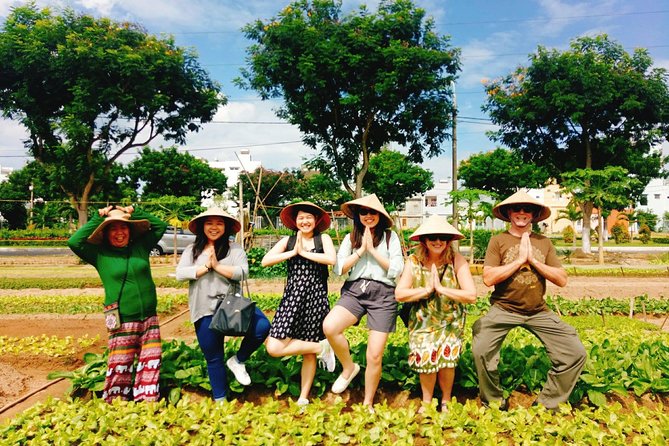
- Farm and vegetable garden activity: you see where produce grows before it hits your plate
- Vietnamese coffee and dessert: you get tastings as well as cooking time
- Four dishes you make yourself: then you eat them, hot and fresh
- English recipes included: you go home with copies to recreate the dishes
Why this $26 class feels like a full-food day in Da Nang
At $26 per person for about four hours, this is one of those deals that quietly adds up. You’re not paying for a cooking lecture. You’re paying for market time, a farming/garden stop, and a hands-on class where you cook four dishes and eat them afterward.
The best part is the pacing. You start in the morning (or afternoon), shop for ingredients, learn the basics from a local family instructor, and then cook in a home setting. It feels personal, not staged. And because the group is kept small, you can actually ask questions while your food is in progress.
You can also read our reviews of more shopping tours in Da Nang
The small-group format: what max 10 means for your cooking
With a maximum of 10 travelers, this tour has the feel of a guided group lesson. In practice, that matters for two reasons.
First, you get more attention while you prep and cook. When you’re chopping, mixing, rolling, or frying, you don’t want to guess. Second, you’re more likely to understand the why behind the steps, like how ingredient choices affect the dish.
The instructors also shape the vibe. In past groups, people have praised instructors like Jane and Nhi for being patient and clear. Guides such as Lyn and Anna have also shown up as friendly, English-speaking helpers who make you feel welcome. That combination—local family teaching plus patient guidance—turns the class into something you can genuinely repeat later.
Han Market and the trip past Da Nang Cathedral: where your ingredients get chosen
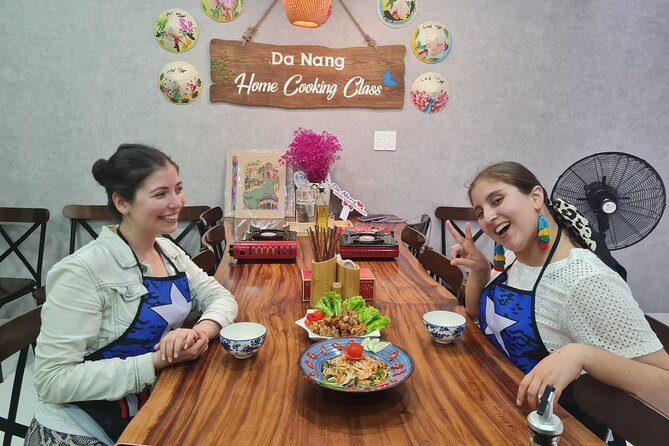
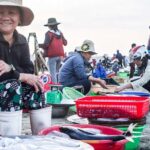
Your day starts with hotel pickup (for the full tour option) in Da Nang center. Then you head to Han Market. This is the part you’ll remember later, because you’re selecting ingredients yourself.
Markets teach you the logic of cooking in Vietnam. You learn what to look for—freshness, smell, texture—and how different ingredients work together. It’s also where you can pick up practical knowledge that no recipe can fully explain, like what a dish should smell like at each stage.
And yes, there’s more than just shopping. The route includes a stop near Da Nang Cathedral, which gives you a quick change of scene on the way. It’s not the main event, but it helps the day feel like a real outing instead of a single-location workshop.
A quick practical note: wear comfortable shoes. Markets are walking-heavy, and you’ll want your feet to be happy before the cooking starts.
Farm and garden time: why the vegetables matter
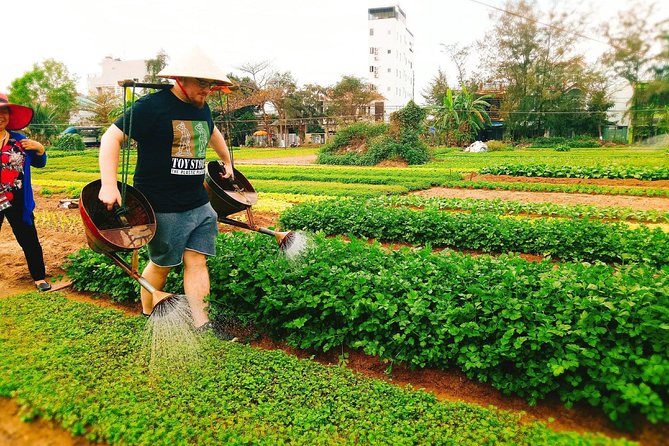
After the market, you shift gears to the countryside side of the experience. You join a farming/garden activity where you learn about growing vegetables, and you’ll practice as if you’re part of the workday.
Even if you’ve never gardened before, the value here is simple: it gives context. When you later cook dishes that use green herbs, papaya, or shrimp accompaniments, you understand that ingredients aren’t random—they come from a system.
This part tends to be a standout because it slows you down. People have specifically enjoyed meeting the people and spending time in the garden setting. That’s exactly what makes it more memorable than a typical cooking class: you’re not just learning recipes; you’re learning where they start.
Vietnamese coffee (and tea moments) before you cook
Before you start cooking for real, you’ll have tasting time. You sit down for authentic Vietnamese coffee, and the tour format also includes a tea-tasting moment as part of the day.
If you’ve had Vietnamese coffee before, you already know it’s not the same as typical drip coffee. If you haven’t, this is a solid intro because it happens before you’re focused on the stove. You can enjoy the flavor, relax, and get your energy back for the hands-on part.
Also, having tastings before cooking helps the whole day feel like hospitality, not a homework assignment. It’s one of those small touches that makes the lesson feel genuinely Vietnamese.
You can also read our reviews of more tours and experiences in Da Nang

Cooking four iconic dishes: what you’ll actually do
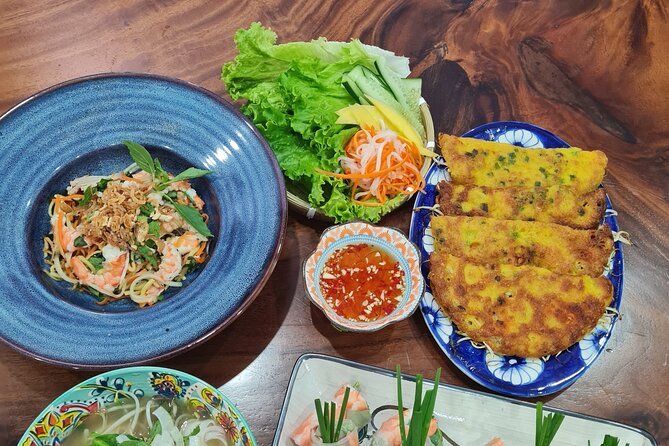
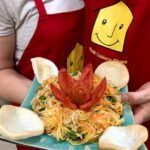
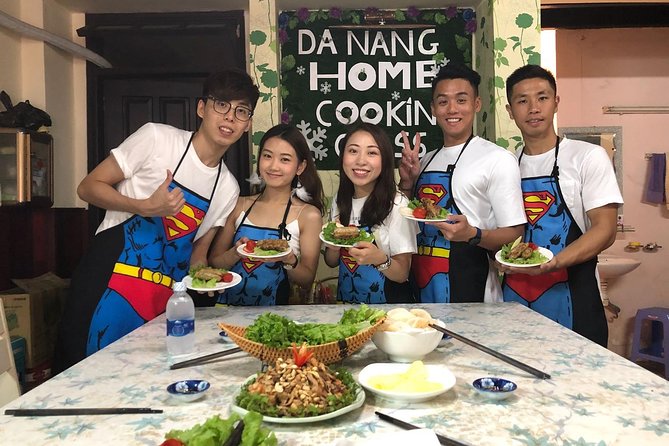
The class happens at a local house, and the structure is straightforward: you learn classic techniques, you cook, and then you eat what you made. You’ll be given ingredients, and you’ll get English copies of the recipes so you’re not stuck translating everything.
The hands-on focus is the big win. Instead of just watching someone demonstrate, you’ll practice key steps—chopping, mixing, rolling, frying, assembling, and serving. And because you cook four dishes, you get a wide spread of Vietnamese cooking skills rather than one narrow specialty.
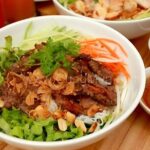
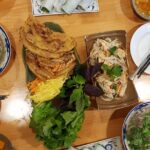
From the dish selection, you’ll also get experience with different flavor styles: tangy salads, savory noodle soup, crisp fried items, and fresh spring rolls. That mix is ideal if you want a well-rounded introduction to Vietnamese home cooking.
Menu check by weekday: Monday/Wednesday/Friday/Sunday vs Tue/Thu/Sat
Your date matters because the menu depends on the day of the week. Here’s the menu split you should check before booking.
If your class is Monday, Wednesday, Friday, or Sunday
You’ll cook:
- Quang noodle
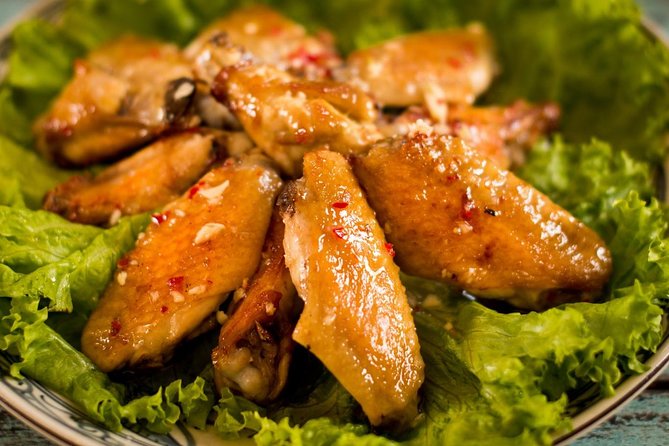
- Fish sauce chicken wing
- Green papaya salad with shrimp
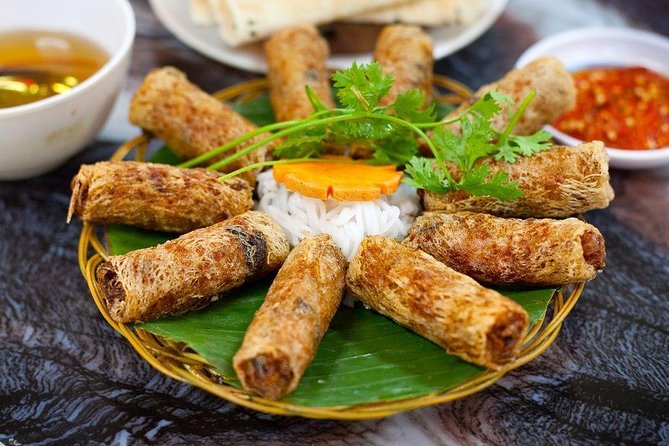
- Deep-fried spring rolls
This menu leans into sour and savory flavors. Green papaya salad gives you that tangy punch, while fish sauce chicken wings push umami. The deep-fried spring rolls add crunch and technique.
If your class is Tuesday, Thursday, or Saturday
You’ll cook:
- Beef noodle soup
- Crispy Vietnamese pancakes (Banh Xeo)
- Green mango salad with shrimp
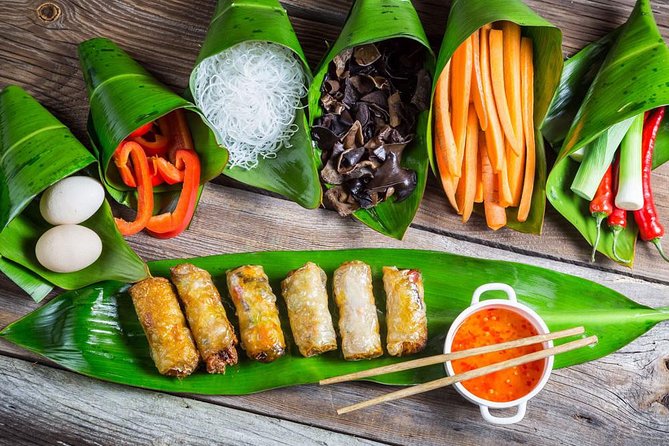
- Fresh spring roll
This menu feels lighter in texture but still full of flavor. Banh Xeo teaches you how to get crisp edges and a thin batter feel. The fresh spring roll contrasts nicely with the salad and soup components.
Tip for planning: if there’s one dish you’re chasing—papaya salad vs mango salad, for example—match your travel day to the menu.
Eating what you cooked: portion size and the real value of the meal
One of the most practical reasons this class is worth the price is that it’s built around feeding you. After cooking, you eat your dishes. That means you’re not just learning. You’re getting a meal with real substance.
People have described walking away stuffed, which makes sense when you’re making four dishes and eating all of them. For you, that’s a scheduling gift. You can plan your day knowing you’ll leave with food already handled.
Also, the class includes dessert. That’s another small value booster, and it finishes the meal in a more relaxed way than stopping after the main dishes.
Transport and timing: morning or afternoon, and how to plan your day
You’ll choose between two time windows based on how the tour runs:
- Morning: pickup around 8:00–8:30, and it generally ends around noon
- Afternoon: pickup around 2:00–2:30, and it generally ends around 6:00
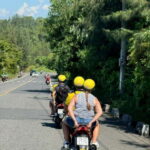
That timing affects the rest of your day. If you’re visiting other sights, try not to schedule something critical right before pickup. Market walking plus cooking takes energy, and you’ll want your mind fresh for the lesson.
The tour offers pickup for the full option, but drop-off isn’t included. So plan how you’ll get home after it ends. (If you’re staying in Da Nang center, it’s usually easier to manage, but your plan matters.)
What’s included, and what you should bring
You get a lot for the price: market tour, farming/garden activity, water, all ingredients, English recipe copies, an English-speaking instructor, dessert, and the Vietnamese coffee tasting. You also get a mobile ticket.
What you should bring is mostly common-sense:
- comfortable walking shoes
- light clothing for market and garden walking
- a camera (if you like), but keep it practical around cooking steps
If you have dietary restrictions, don’t assume. The menus include items like shrimp and fish sauce chicken wings, so it’s worth checking in advance.
Who this experience is best for
This class is a great fit if you want your food learning to be active. You’ll enjoy it if you like:
- learning by doing, not just watching
- tasting ingredients at the market level
- cooking traditional dishes in a home setting
- getting practical recipes you can recreate later (since you receive English copies)
It’s also a good pick for couples and small groups who want something more meaningful than a standard restaurant dinner. The small size helps everyone stay involved.
And if you’re traveling with someone who wants clear explanations, the English-speaking instruction has been a recurring positive point in feedback. That makes the class less intimidating.
Should you book this home cooking class?
Yes, if you want an authentic food day that includes real market shopping and a garden/farm stop—then cooking four Vietnamese dishes yourself. The $26 price feels fair because it covers the full experience: ingredients, instruction, tastings, and the meal.
I’d hesitate only if:
- your travel day doesn’t match a menu you care about
- you dislike walking around markets and outdoors during the garden segment
- you can’t be flexible with weather, since the experience requires good conditions
If your goal is to take home more than photos—like actual cooking skills and a better sense of Vietnamese ingredient choices—this is a smart booking in Da Nang.
FAQ
How long does the home cooking class take?
The class runs about 4 hours.
Where do I meet the guide?
You’ll be picked up by a local tour guide at your hotel in Da Nang center for the full tour option.
Do they include drop-off after the class?
Drop-off service is not included.
How many people are in the group?
The tour has a maximum of 10 travelers.
What dishes will I cook?
You cook four dishes, and the menu changes by weekday. Some days include Quang noodle, fish sauce chicken wing, green papaya salad with shrimp, and deep-fried spring rolls. Other days include beef noodle soup, Banh Xeo (crispy Vietnamese pancakes), green mango salad with shrimp, and fresh spring roll.
Are ingredients and recipes included?
Yes. All ingredients are included, and you receive recipe copies in English.
Is Vietnamese coffee included?
Yes. You’ll taste authentic Vietnamese coffee as part of the experience.
What languages are offered?
The instructor is English speaking, and the recipes are provided in English.
What if the weather is bad?
This experience requires good weather. If it’s canceled due to poor weather, you’ll be offered a different date or a full refund. Cancellation is free up to 24 hours in advance for a full refund.