REVIEW · DA NANG
Da Nang: Coffee Making And Cooking Class
Book on GetYourGuide →Operated by Jolie Cooking Class · Bookable on GetYourGuide
Da Nang can be loud. But this class slows the day down fast. You get hands-on Vietnamese coffee skills, including phin brewing, then you switch gears to cooking Da Nang favorites in a homey kitchen.
What I like most is the mix: three signature coffee styles plus real cooking practice. You’re not just watching; you’re tasting, brewing, and chopping.
One thing to consider: the class revolves around caffeine and tasting, so if you’re sensitive or have heart problems, this may not be the best fit.
In This Review
- Key takeaways before you go
- A phin filter ritual in Da Nang
- Egg, Salt, Coconut Coffee: what you’ll learn (and taste)
- The small-group setup that actually helps you
- From herbs to real Da Nang cooking habits
- The 4.5-hour flow: how the schedule feels in real life
- Location: near Dragon Bridge, easy to plug into your day
- Price and value: what $50 covers (and why it’s fair)
- Who should book this class (and who might skip it)
- Practical tips to get the most out of your class
- Should you book this Da Nang coffee and cooking class?
- FAQ
- What is the duration of the Da Nang Coffee Making and Cooking Class?
- Which Vietnamese coffee types are included?
- Is the class hands-on or mostly watching?
- Where do I meet the host?
- Does the class have an English-speaking instructor?
- What should I wear or bring?
Key takeaways before you go
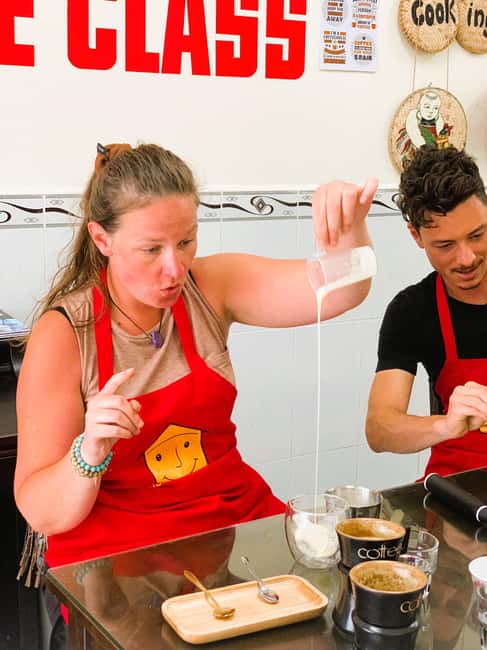
- Phin filter brewing: you’ll learn the slow ritual that shapes Vietnamese coffee.
- Egg, salt, and coconut coffees: you get stories plus tasting, not just recipes.
- Hands-on cooking: you help prep ingredients, then eat what you made.
- Small-group feel: more time with the instructor, less standing around.
- English-speaking guides: staff like Rosie and Nhan, plus Hannah or Kate in some groups, are repeatedly called out for clear English.
- A practical Da Nang location: Jolie Cooking Class is near Dragon Bridge, so the meeting point is easy to find.
A phin filter ritual in Da Nang
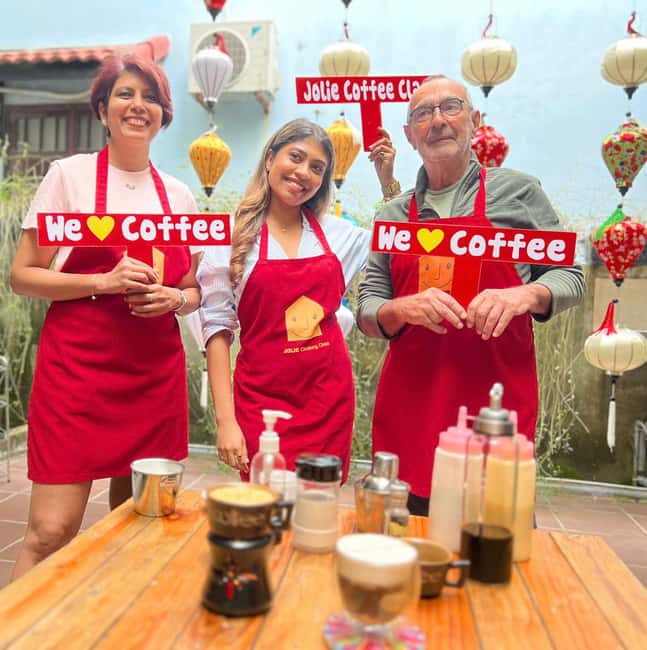
Vietnamese coffee has a sound and a pace. The phin filter drips slowly, and that steady tempo changes how you taste everything else. In this class at Jolie Cooking Class near Dragon Bridge, the goal isn’t to rush you through a performance. It’s to help you understand what makes Vietnamese coffee taste the way it does, with a little fun along the way.
This is also a good lesson in how a city’s food culture gets built. Da Nang has coffee on sidewalks, coffee breaks between errands, and coffee as an everyday habit. Learning the techniques in a relaxed, welcoming space makes the culture feel real instead of like a tourist headline.
You’ll start with a local snack and an intro to how Vietnamese coffee works, including why the beans matter and how the brewing process changes flavor. Then the class moves into hands-on brewing and tasting. After that comes the cooking portion, so your brain gets a second theme: herbs, spices, and Da Nang-style cooking habits.
You can also read our reviews of more cooking classes in Da Nang
Egg, Salt, Coconut Coffee: what you’ll learn (and taste)
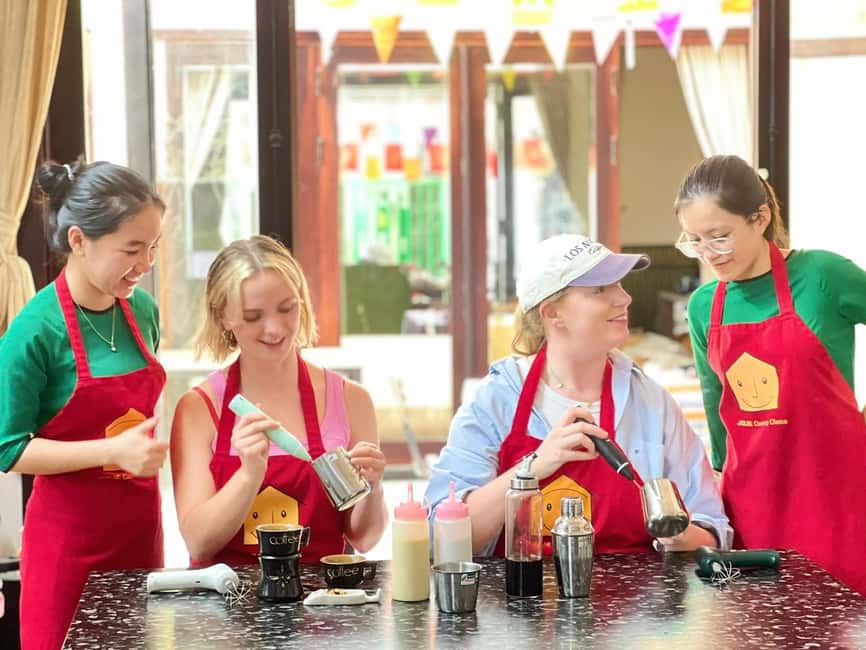
The coffee portion is the heart of the experience, and it’s designed to be practical. You’ll learn how Vietnamese coffee typically starts with Robusta beans and why that choice matters for the final cup. Robusta tends to deliver a stronger, deeper base—useful when you add sweetened cream or flavorings that make the famous coffee styles.
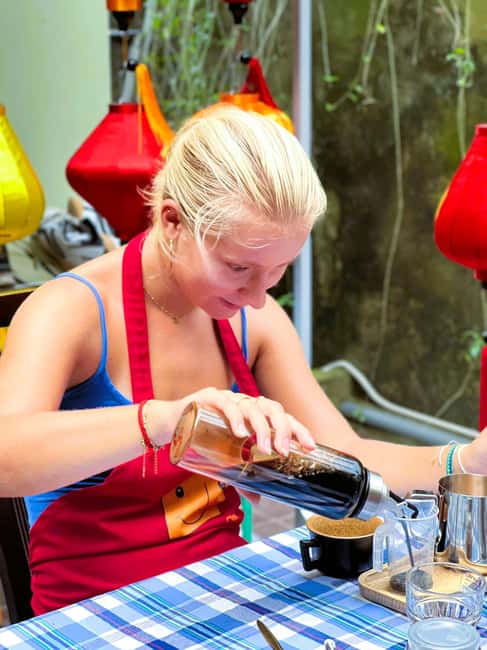
Then comes the method: using the phin filter. This is where people often get it wrong at home. The filter isn’t just equipment. It’s part of the flavor system. The slow drip lets the coffee extract more steadily, and the result is usually heavier, more rounded, and less sharp than quick-brew styles.
Here’s what you’ll taste and practice during the class:
- Egg coffee: one of Vietnam’s most iconic styles. The story behind it matters, because it helps you understand why the texture tastes so smooth and comforting.
- Salt coffee: sweet with a surprising edge. The flavor contrast is the point, and the class gives you context so it doesn’t feel random.
- Coconut coffee: creamy, fragrant, and built around coconut flavors that fit Vietnamese dessert-style preferences.
Your tasting also connects to Da Nang’s coffee culture—how people drink it slowly, how cafés make it feel like a break rather than a rush. One of the standout elements here is that you’re not only sipping. You’re learning what’s happening in the cup while you’re making it.
A quick practical tip based on the class guidance: it’s recommended that you don’t overdo caffeine before you arrive. That’s not to spoil your fun—it’s so you can actually taste the differences clearly instead of feeling wired and numb to nuance.
The small-group setup that actually helps you
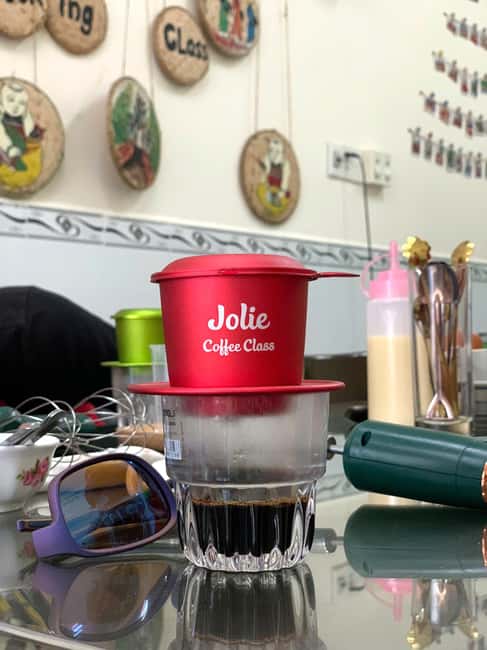
This class is built for attention. It’s a small group format, and that matters because coffee and cooking both punish guesswork. If your phin brew goes off, you can taste it. If your prep is sloppy, cooking time gets awkward.
In groups, you also tend to learn faster because you can compare what you did with what your instructor shows. That’s why names like Rosie and Nhan come up again and again—people highlight how friendly staff are, how English instruction is clear, and how they explain things step-by-step. In some groups, Hannah or Kate shows up too, and the same theme repeats: patient guidance and good communication.
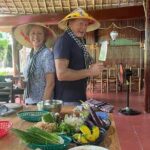
You’ll be in a home-style setting, not a studio set-up. The vibe stays relaxed, with enough structure to keep you on track: brewing first, then cooking, then eating the results you made. If you want a class where you leave with confidence (not just photos), small-group teaching is a big part of why this works.
From herbs to real Da Nang cooking habits
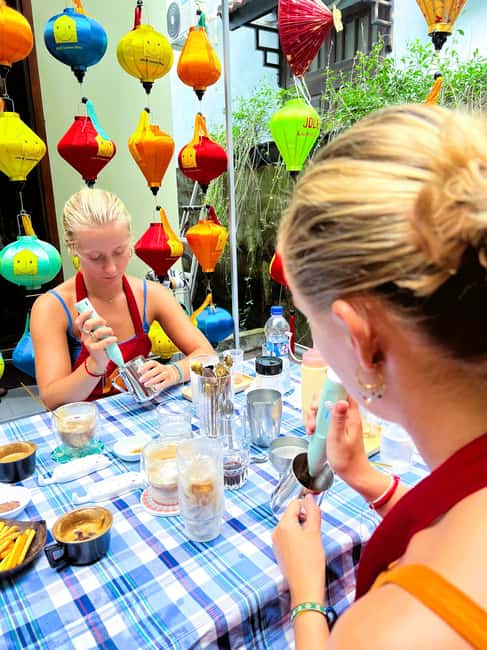
After the coffee lesson, you shift into cooking. This part matters because Vietnamese cooking isn’t one-note. It’s about balancing aromatics, sweetness, salt, and texture, and it’s where Da Nang flavors show their personality.
The class teaches you the traditional approach in a way you can actually repeat. You’ll learn about herbs and spices and why they’re used. Even if you don’t remember every ingredient name, you can remember the purpose: what you add when, and what each ingredient is supposed to do to the flavor.
One of the best things here is that the cooking isn’t just assembly. You chop, prep, and participate. In past groups, people have mentioned cooking multiple dishes and chopping ingredients themselves. That hands-on prep is what turns the class from entertainment into a usable skill.
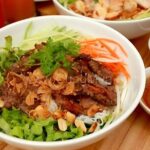
You’ll also get to eat what you cook. That’s underrated. Plenty of food tours give you a taste and move on. Here, you eat meals you made by yourself, which makes the whole process more satisfying. You get the feedback loop: you learn the method, then you taste the outcome while it’s still fresh.
The 4.5-hour flow: how the schedule feels in real life
The timing is tight enough to keep momentum, but it’s not rushed chaos. You’ll meet at Jolie Cooking Class in the morning or afternoon, with two common start times.
Typical flow:
- You arrive, meet your host, enjoy a local snack, and get an intro to Vietnamese coffee culture.
- You shift into brewing practice with the phin filter and taste the signature coffee styles like egg, salt, and coconut.
- After tasting and Q&A, you move into cooking time. This is the long middle block where you do the real work: chopping, mixing, and cooking.
- You eat the meals you prepared, then you wrap up and head back to your accommodation.
The schedule pacing is a big part of the value. Coffee classes can sometimes feel like a short tasting with a slow lecture after. Here, the tasting is paired with action, and the cooking gives you a second skill set by the time you leave.
Also, the class atmosphere includes a bit of casual creativity. People have mentioned playing guitar or piano if you can. You shouldn’t come planning a concert, but it signals the homey vibe: relaxed, friendly, and not overly stiff.
You can also read our reviews of more tours and experiences in Da Nang
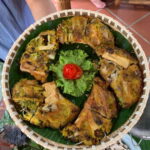

Location: near Dragon Bridge, easy to plug into your day
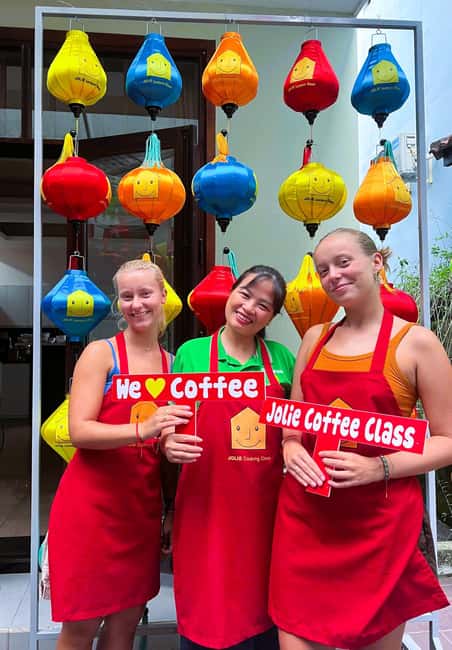
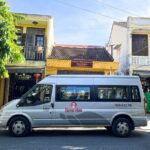
Meeting at Jolie Cooking Class, 14 An Trung Dong 6, Da Nang—near Dragon Bridge—makes planning easier. This is the kind of location that works whether you’re already exploring the central area or you want a break from bigger-day tours.
I like meeting points that are easy to find without drama. Near a major landmark, you’re less likely to lose time or energy before the class even starts. And because the class lasts about 4.5 hours, it fits nicely into a half-day window in Da Nang.
If you’re the type who likes a structured morning (coffee, then cooking, then lunch), the morning slot can work great. If you want a calmer later afternoon before dinner plans, the afternoon slot also fits the same idea: learn, cook, eat, head back.
Price and value: what $50 covers (and why it’s fair)
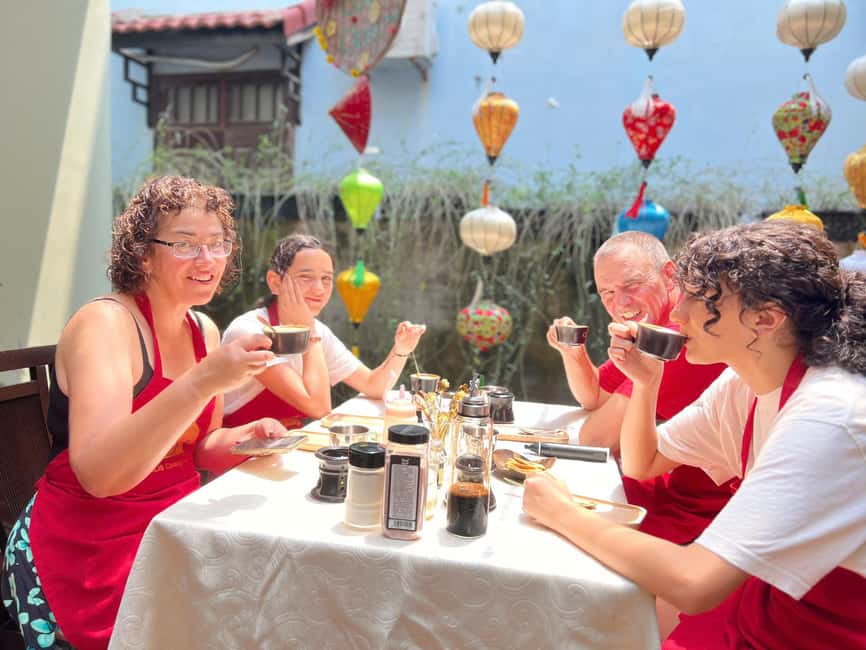
At about $50 per person for roughly 4.5 hours, this isn’t a quick budget stop. But it’s also not priced like a private culinary production. The value comes from three things you get in one go:
First, you’re learning coffee technique. Phin brewing takes practice, and the class structure gives you time to do it correctly, not just observe. Coffee isn’t only flavor here—it’s method.
Second, you’re tasting multiple signature styles—egg, salt, coconut—and getting the stories and cultural context so the differences actually make sense. If you only drank one coffee, you’d miss the broader picture of Vietnamese coffee styles.
Third, you cook and eat Da Nang dishes you make yourself. That’s the biggest differentiator versus simple tastings. You take part in prep, cook, then sit down to the results. You’re leaving with food memories and a real takeaway skill set.
So the price makes sense if you want a class that combines hands-on learning with a meal. If you’re only looking for a coffee sip and photos, you might feel the time is more than you need.
Who should book this class (and who might skip it)
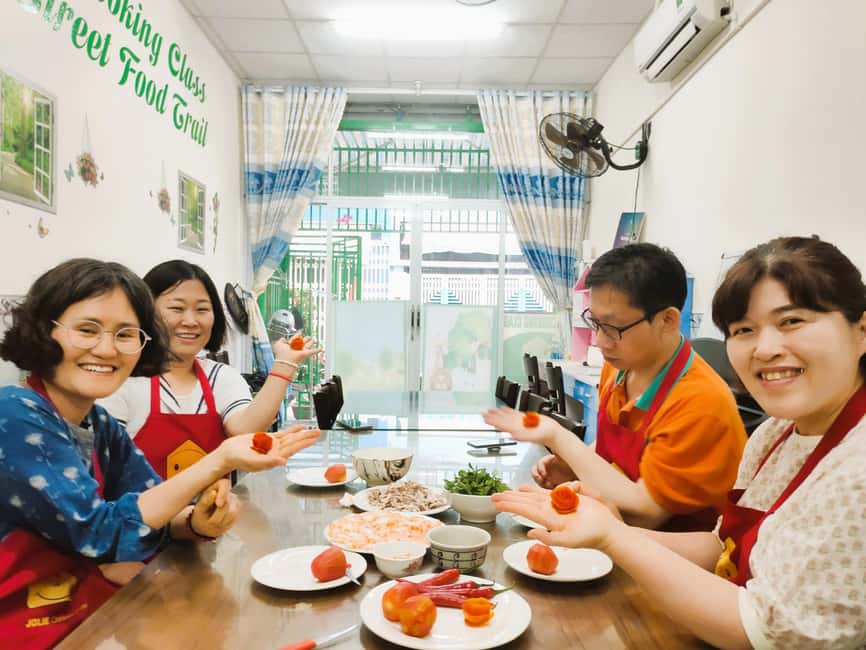
This class is a strong choice if you want:
- A coffee experience you can reproduce at home, especially the slow phin method.
- A cooking class that’s not hands-off, with actual prep work.
- An English-friendly guide experience with patient instruction.
- A relaxed, small-group setting close to central sights like Dragon Bridge.
It may be less ideal if:
- You avoid caffeine completely or you’re very sensitive to it.
- You have health concerns like heart problems (the activity notes this as not suitable).
- You prefer cooking purely as sightseeing rather than as participation.
If you’re traveling with kids, the class is described as children friendly. Bring comfortable clothing and expect a hands-on format, so plan for some mess.
Practical tips to get the most out of your class
Here are the small details that help you enjoy the time:
- Wear comfortable clothes. Cooking involves prep and kitchen time.
- Bring a camera if you want coffee and cooking photos.
- Don’t go too caffeine-heavy before you start. The tasting is more fun when you can actually taste differences.
- Come hungry. The class guidance basically hints you’ll want room for the meal you cook.
- Plan for a calm finish. After the meal, you’ll likely want an easy walk back or a short ride to your accommodation.
If you’re hoping to replicate Vietnamese coffee later, pay attention to the brewing timing and how the phin drip behaves in practice. That’s usually where home versions go wrong.
Should you book this Da Nang coffee and cooking class?
I’d book it if you want a hands-on, two-part food experience: Vietnamese coffee technique plus Da Nang cooking. The combination is efficient, the small-group setup helps you learn, and the guide communication is a repeated strength. With staff like Rosie and Nhan—and sometimes Hannah or Kate—this is the kind of class where explanations actually land.
Skip it only if you’re strictly looking for a quick coffee tasting with zero participation. This class asks you to do things: brew, taste, chop, cook, and then eat what you made.
If you’re spending time in central Da Nang, especially around Dragon Bridge, this is a smart way to turn part of your day into something you’ll remember beyond the view.
FAQ
What is the duration of the Da Nang Coffee Making and Cooking Class?
The class lasts about 4.5 hours.
Which Vietnamese coffee types are included?
You’ll learn and taste Vietnamese coffee styles including egg coffee, salt coffee, and coconut coffee.
Is the class hands-on or mostly watching?
It’s hands-on. You practice brewing with a traditional phin filter and you also cook dishes, including chopping ingredients.
Where do I meet the host?
You meet at Jolie Cooking Class, 14 An Trung Dong 6, Da Nang, near Dragon Bridge (coordinates 16.059999465942383, 108.23539733886719).
Does the class have an English-speaking instructor?
Yes. The instructor is listed as English-speaking.
What should I wear or bring?
Wear comfortable clothing. You’re also advised to bring a camera, and it’s recommended that you don’t consume too much caffeine before the tasting so you can enjoy the coffee differences.