REVIEW · DA NANG
Da Nang Family Cooking Class – with Local Family in Da Nang
Book on GetYourGuide →Operated by Da Nang Family Cooking Class · Bookable on GetYourGuide
Cooking in a neighbor’s kitchen changes your trip. You come for a lesson, but the real draw is the local home setting where a Vietnamese family teaches you hands-on cooking for authentic dishes. I like that it’s priced at $24 for about 150 minutes, and you actually eat what you make. One possible drawback: there’s no hotel pickup, so you’ll need to taxi yourself to the meeting spot.
I also like the small-group feel (limited to 9) and the bilingual host support in English and Chinese, which makes the instructions easier to follow when you’re juggling a pan and a brand-new recipe. Plus, the class is designed around both food and daily life, so you’re not just learning dishes—you’re hearing stories while you cook.
If you’re picky about menus or ingredients, it helps to know they offer two different menu routes, each mixing Central-South favorites with North-style comfort food (like fresh rolls and flat noodle soup). Just plan to share dietary restrictions or allergies ahead of time so they can guide you properly.
In This Review
- Key things I’d circle on your planning list
- Why Cook in a Da Nang Home (Not a Restaurant Kitchen)
- Menus in Two Tempting Routes: Bánh Xèo, Fresh Rolls, Phở Bò
- The 150-Minute Rhythm: From Welcome to Your Lunch or Dinner
- The Dishes You’ll Cook—and What Makes Each One Worth Learning
- Bánh Xèo: Crispy Sizzling Crepe, Shrimp, and Fresh Herbs
- Phở Cuốn / Gỏi Cuốn: Fresh Rice Paper Rolls with a Sweet-Sour Twist
- Rau Muống Xào Tỏi: Morning Glory with Garlic—A Daily-Meal Classic
- Fruit Salad with Mango or Pomelo: Sweet-Sour Fish Sauce in a Surprisingly Friendly Way
- Phở Bò: Beef Flat Noodle Soup and the Art of Garnish
- Meeting Point and That 1-Minute Walk: Getting There Without Stress
- Price and Value for $24: What You’re Really Buying
- The Host and Communication: Why English-Chinese Support Helps
- Dietary Restrictions and Flexibility: Plan Ahead, Then Cook
- Tips for Getting the Most Out of Your Vietnamese Cooking Lesson
- Who This Da Nang Class Fits Best (and Who Might Want Another Option)
- Should You Book Da Nang Family Cooking Class?
- FAQ
- What dishes are included in the class menus?
- How long is the Da Nang family cooking class?
- What’s included in the price?
- Do they provide hotel pickup or drop-off?
- What’s the meeting point location?
- Are there any restrictions on the activity?
Key things I’d circle on your planning list
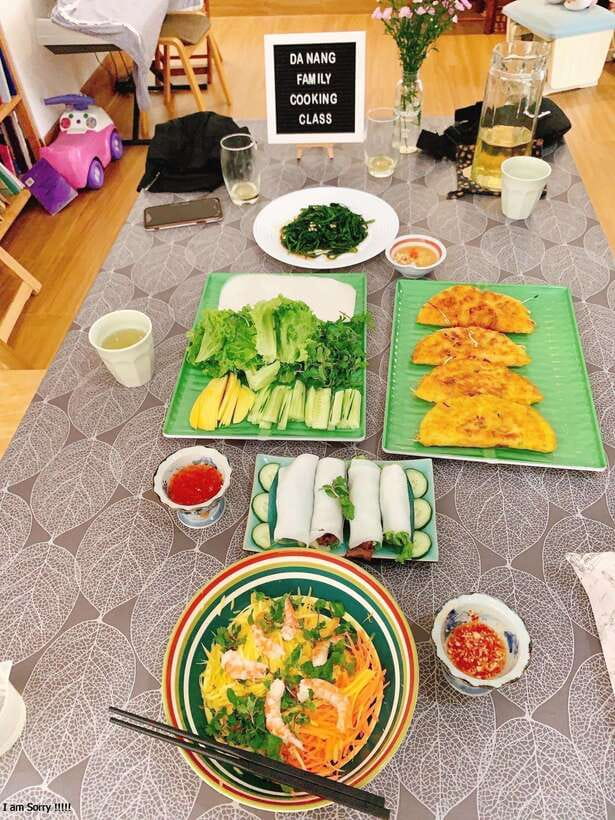
- A real home kitchen instead of a classroom setup, with a friendly family host
- Two menu choices that mix signature dishes from different regions of Vietnam
- Step-by-step, hands-on instruction plus tea and dessert after cooking
- Up to 9 people so you get help when your rolls or dipping sauce aren’t perfect
- English and Chinese support alongside Vietnamese explanations
Why Cook in a Da Nang Home (Not a Restaurant Kitchen)
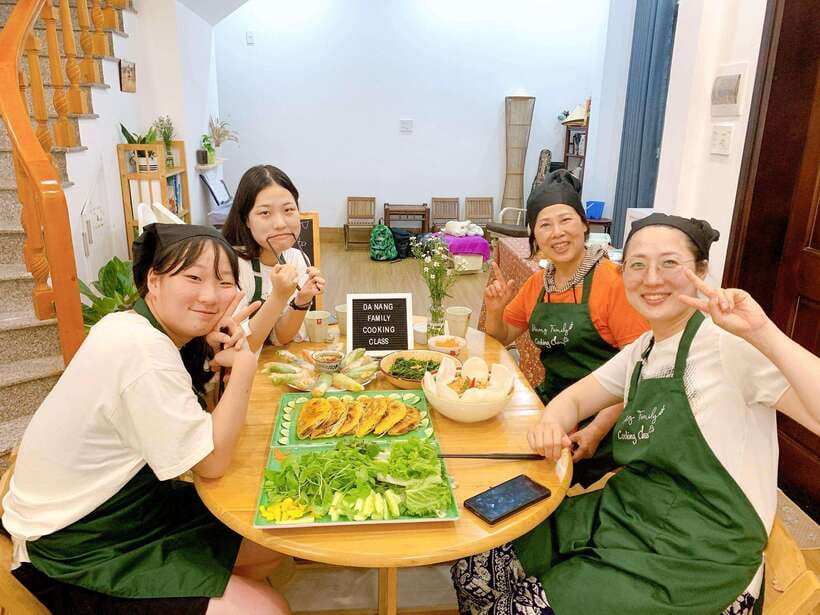
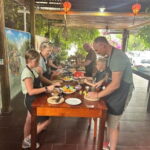
This is the kind of cooking class that starts sounding different the moment you arrive at the house. You’re not waiting for a show. You’re joining a normal family rhythm: prep, cooking, tasting, adjusting, and then eating together. In a city like Da Nang—where you can easily fill your day with beaches and quick tours—this feels like a more grounded way to understand daily Vietnamese life.
The “family host” part matters. The experience is built around warmth and conversation, not just technique. You’ll get stories as you work through the recipes, and the host is fluent in English and Chinese, which helps a lot when you want clarity on flavor or ingredient choices, not just memorizing steps.
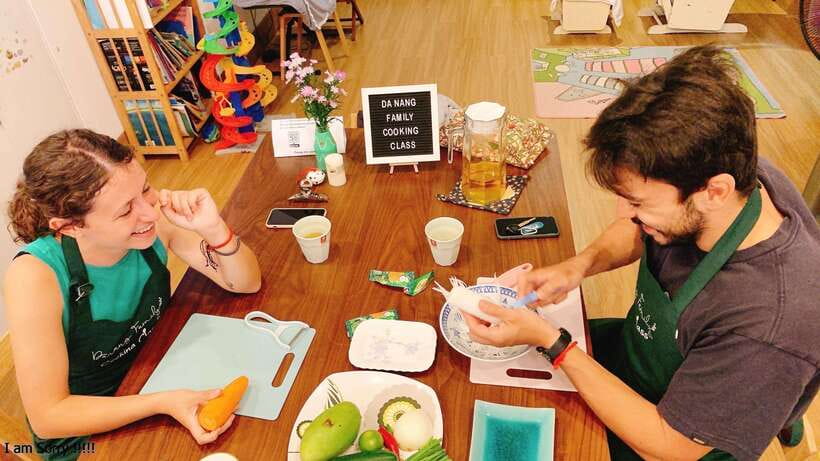
There’s also a practical advantage: you’re learning with the kinds of tools and cooking realities a household uses. That doesn’t mean it’s basic—it just means it’s learnable. When you cook something at home, you want the process to make sense again the next day, not only the final dish to look right.
You can also read our reviews of more cooking classes in Da Nang
Menus in Two Tempting Routes: Bánh Xèo, Fresh Rolls, Phở Bò
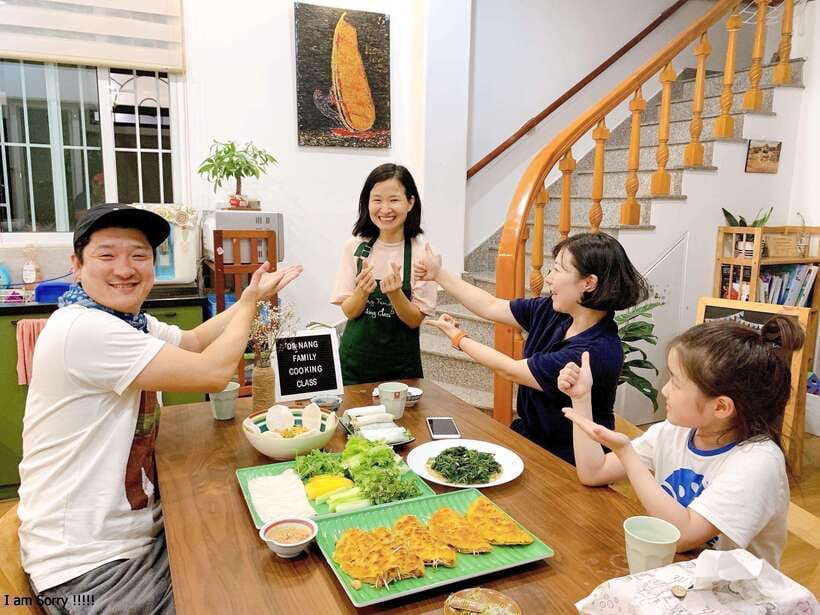
You get to choose between two menu paths. Both options include Bánh Xèo (the sizzling crispy crepe), and then they branch out into either fresh-roll territory or a noodle-soup route.
Menu I includes:
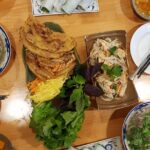
- Bánh Xèo with shrimp, served with lettuce, fresh mint and basil, plus nuoc cham dipping sauce
- Phở Cuốn / Gỏi Cuốn (fresh rice paper roll or dried-paper roll style), with stir-fried beef/onion and/or shrimp & pork, plus herbs like cilantro and lettuce
- Rau Muống Xào Tỏi (stir-fried morning glory with garlic)
- Fruit salad (mango or pomelo) with a sweet-sour fish sauce mix
Menu II includes:
- Bánh Xèo again (so you’re guaranteed this Central/South classic)
- Fruit salad (mango or pomelo) again
- Phở Bò (Vietnamese beef flat noodle soup), with broth made from beef bones, herbs, flat rice noodles, and garnishes like coriander leaves and green onions, plus basil, bean sprouts, and lime
Why this matters: you’re tasting range. Bánh Xèo gives you the crispy, sizzling signature texture. Phở Cuốn brings you the North-style comfort of fresh rolls (with a sweet-sour dipping sauce). Phở Bò is the deeper broth-and-herbs experience—flavor built over time, finished with fresh aromatics.
If you want to leave with the most variety of skills, Menu I is strong because it includes rolling, sautéing, and quick vegetable cooking. If you love soup-and-herb flavor, Menu II pushes you toward the full noodle-soup format.
The 150-Minute Rhythm: From Welcome to Your Lunch or Dinner
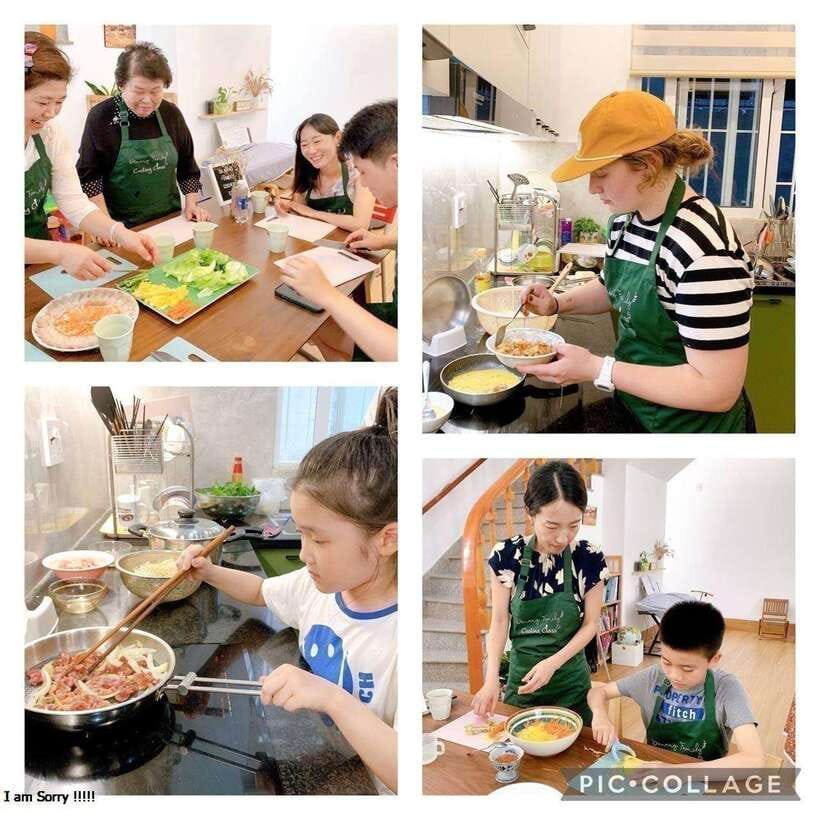
The lesson runs about 150 minutes, which is a sweet spot: long enough to actually cook, short enough that you’re not stuck in the kitchen all afternoon.
Here’s the overall flow you can expect:
- You arrive and get set for the lesson (arrive about 5 minutes early)
- You cook with step-by-step guidance from the host
- You eat lunch or dinner based on the session you choose
- You get tea and dessert at the end
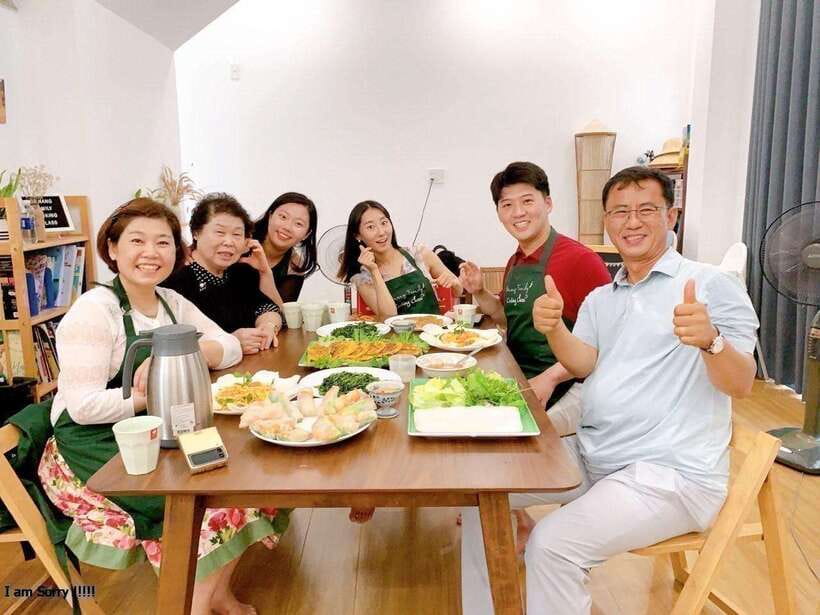
Small-group setup is part of the timing. With a limit of 9 participants, it’s easier for the host to check in when your pan heat is too low or your dipping sauce needs a final adjustment. The class also includes all ingredients, so you don’t need to show up with anything except yourself.
And yes, you’ll sit down to eat what you made. That part is not just a reward—it’s also how the lesson sticks. Cooking is one thing. Tasting your own bánh xèo, then adjusting how you dip and wrap, is the practical learning.
The Dishes You’ll Cook—and What Makes Each One Worth Learning
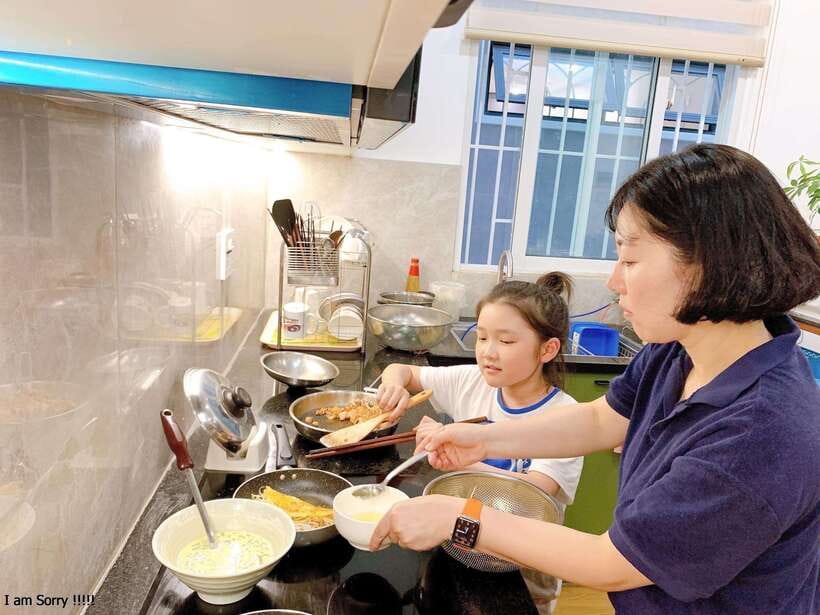
This menu isn’t random. It’s built around clear Vietnamese flavor patterns: sizzling batter, fresh herb balance, sweet-sour dipping sauces, and “simple but not boring” vegetables.
Bánh Xèo: Crispy Sizzling Crepe, Shrimp, and Fresh Herbs
Bánh Xèo is popular across the center and south of Vietnam, and the name refers to the sizzling sound when the batter hits the hot skillet. In class, you’ll learn how to make the crepe style portion and then assemble it the way Vietnamese diners do: topped or served with shrimp, plus lettuce, fresh mint, and basil.
Here’s the part that makes this more than just fried batter: it’s a build. You don’t eat it alone. You wrap pieces or pair with herbs, then use dipping sauce. That herb freshness is the contrast that keeps the dish light even though it’s crispy.
You can also read our reviews of more tours and experiences in Da Nang

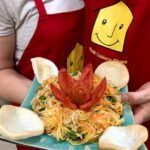
Phở Cuốn / Gỏi Cuốn: Fresh Rice Paper Rolls with a Sweet-Sour Twist
In Menu I, you’ll tackle Phở Cuốn / Gỏi Cuốn, traditional roll-style food made with rice paper. The filling includes stir-fried beef with onions (and/or shrimp & pork), plus cilantro and lettuce.
What you’re aiming for is balance:
- warm, savory filling
- cool, crunchy herbs
- the right dipping sauce style
The class also includes the sweet-sour fish sauce approach, plus the option of chopped garlic or peanut sauce depending on how the dish is served. This is one of those Vietnamese flavor fundamentals: the sauce is not an afterthought; it’s the bridge between textures.
Rau Muống Xào Tỏi: Morning Glory with Garlic—A Daily-Meal Classic
Rau muống xào tỏi (stir-fried morning glory with garlic) is common across Vietnam. It’s a vegetable dish, but it isn’t “side dish filler.” The goal is that fresh green taste plus garlic aroma, cooked quickly.
You learn this because it shows a Vietnamese habit: vegetables aren’t bland, and simple ingredients become exciting when you control heat and timing.
Fruit Salad with Mango or Pomelo: Sweet-Sour Fish Sauce in a Surprisingly Friendly Way
You’ll make fruit salad using either mango or pomelo mixed with carrot, then combined with a sweet and sour fish sauce style. This sounds strange until you taste it—then you get the point. Vietnam often uses fish sauce as a way to build depth, even in dishes that have fruit.
If you’re curious about Vietnamese flavor logic, this course gives you a quick real-world example.
Phở Bò: Beef Flat Noodle Soup and the Art of Garnish
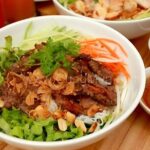
Menu II ends up focused on phở bò, Vietnamese beef flat noodle soup. The idea here is broth built from beef bones plus herbs, served with flat rice noodles and garnishes like coriander leaves and green onions. You also get basil, bean sprouts, and lime juice to finish it.
This dish is why Vietnamese people love fresh topping control. You don’t treat garnish as decoration—you treat it as flavor adjustment. Lime adds brightness. Basil and sprouts bring lift. Onion and herbs add layers.
If you want a lesson that translates well to home cooking, Menu II is a strong choice because you learn a structure: broth + noodles + herb topping + fresh acid.
Meeting Point and That 1-Minute Walk: Getting There Without Stress
You’ll taxi to 61 Hàn Thuyên, Hoà Cường Bắc, Hải Châu, Da Nang. Look for Sala Coffee there. That is your reference point, not the house.
From Sala Coffee, it’s a 1-minute walk to the class home at 374/36 Núi thành street (the direction is marked in the provided map guidance). This is short enough that you’re not rushing, but you still want to get it right—especially if you’re carrying your sandals or you’re not used to Da Nang street navigation.
A practical tip: if you’re not confident with the last stretch, open the map link to route from Sala Coffee to the cooking class location. Then use the “walk” segment as your final check. It’s the easiest way to avoid the kind of wrong-turn that makes you late and flustered.
Price and Value for $24: What You’re Really Buying
At $24 per person for around 150 minutes, you’re paying for three things that usually cost more separately:
- a guided cooking lesson in a family home
- ingredients and instruction for multiple dishes
- the meal (lunch or dinner), plus tea and dessert
In most places, a cooking class with bilingual support and a sit-down meal costs quite a bit more. Here, the value is in the combination: you’re learning real techniques, then eating right away. You’re also not spending extra money on ingredients because they’re included.
The small group size also supports the value. When you’re limited to 9 people, the host can spend time with you instead of talking over everyone. That’s when the lesson actually becomes useful, not just entertaining.
The Host and Communication: Why English-Chinese Support Helps
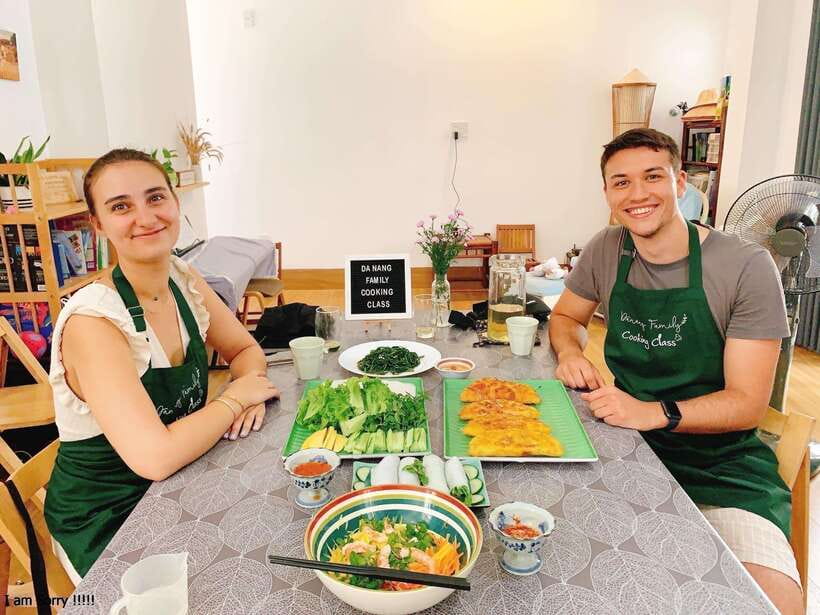
The host explains in English and Chinese, with Vietnamese guidance as well. That matters because cooking isn’t just “read the recipe.” You’re watching heat control, texture changes, and the way sauces should look and smell.
If you’ve ever tried to recreate Vietnamese flavors at home and ended up with a sauce that tasted flat, you know the fix is usually understanding balance—sweet-sour, saltiness, herb freshness, and garnish timing. This class gives you that balance through active instruction.
Also, the vibe is friendly. You’re in someone’s home, so manners and calm behavior go a long way. If you respect the space and ask questions, the experience feels personal fast.
Dietary Restrictions and Flexibility: Plan Ahead, Then Cook
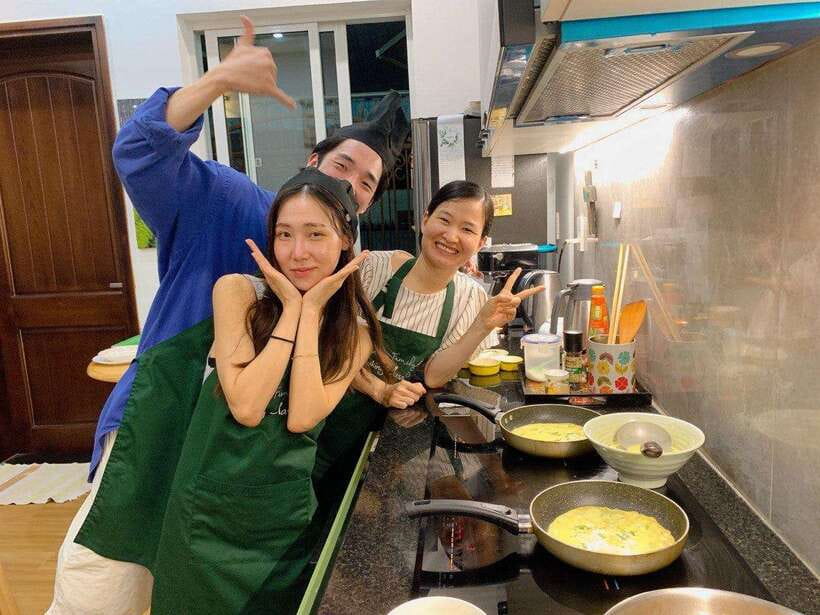
The class asks you to inform the team of dietary restrictions or allergies in advance. That’s your best move, especially if you avoid pork or beef.
The menus are written with specific ingredients, but the setup is designed to communicate and adjust when needed. So rather than showing up hoping it’ll work out, message your needs first. It keeps the cooking smooth for you and helps the host plan ingredient choices.
And remember: the point isn’t perfection. It’s learning how Vietnamese flavors work with the ingredients you eat.
Tips for Getting the Most Out of Your Vietnamese Cooking Lesson
A little prep makes the class far more rewarding.
- Arrive on time so you don’t feel rushed.
- Tell them allergies/restrictions before you go.
- Choose the menu that matches your mood: Menu I for rolls + vegetables, Menu II for phở bò broth-and-garnish style.
- Take notes on sauce and garnish choices. The sauce and fresh toppings are where Vietnamese dishes become memorable.
- Ask about the dipping sauces (nuoc cham, sweet-sour fish sauce style, and the peanut option). Those are the flavors you’ll actually use later at home.
One more small thing: don’t ignore the tea and dessert. It’s part of the pacing, and it’s often where conversation flows naturally after the cooking is done.
Who This Da Nang Class Fits Best (and Who Might Want Another Option)
This fits best if you want:
- an authentic meal in a local home
- real instruction you can repeat later
- variety across Vietnamese regions, not just one dish
- a small-group setting with bilingual support
It might be less ideal if:
- you strongly need hotel pickup or door-to-door transport
- you hate eating what you help cook
- you want a purely food-photo experience with no home interaction
If you’re traveling with a partner or small friends group, this class also makes sense because you’ll share the kitchen experience while still getting individual guidance.
Should You Book Da Nang Family Cooking Class?
I’d book it if you’re in Da Nang for a few days and you want one memorable experience that feels local, not packaged. The combination of a warm family setting, bilingual host support, a hands-on cooking lesson, and a full lunch or dinner at the end makes the $24 price feel fair.
Pick Menu I if you want to learn rolling and plating with fresh herbs, and Menu II if you want to focus on phở bò structure, broth flavor, and finishing garnishes.
Just plan your arrival to the Sala Coffee meeting point, share dietary needs early, and come ready to cook. This is the kind of experience that gives you food you can taste today—and techniques you can repeat later.
FAQ
What dishes are included in the class menus?
You can choose between two menus. Menu I includes Bánh Xèo, Phở Cuốn/Gỏi Cuốn, Rau Muống Xào Tỏi, and fruit salad (mango or pomelo). Menu II includes Bánh Xèo, fruit salad, and Phở Bò.
How long is the Da Nang family cooking class?
The class lasts about 150 minutes.
What’s included in the price?
The experience includes the cooking lesson with the local family, ingredients, lunch or dinner of the dishes you prepare, tea and dessert, and support from an English and Chinese speaking host.
Do they provide hotel pickup or drop-off?
No. Hotel pickup and drop-off are not included, so you’ll need your own transportation to the meeting point.
What’s the meeting point location?
You’ll taxi to 61 Hàn Thuyên, Hoà Cường Bắc, Hải Châu, Da Nang, and find Sala Coffee. From there, it’s a 1-minute walk to the house at 374/36 Núi thành street.
Are there any restrictions on the activity?
Smoking indoors isn’t allowed, and you should inform the host in advance of any dietary restrictions or allergies.